


Wealthtender is a trusted, independent financial directory and educational resource governed by our strict Editorial Policy, Integrity Standards, and Terms of Use. While we receive compensation from featured professionals (a natural conflict of interest), we always operate with integrity and transparency to earn your trust. Wealthtender is not a client of these providers. ➡️ Find a Local Advisor | 🎯 Find a Specialist Advisor

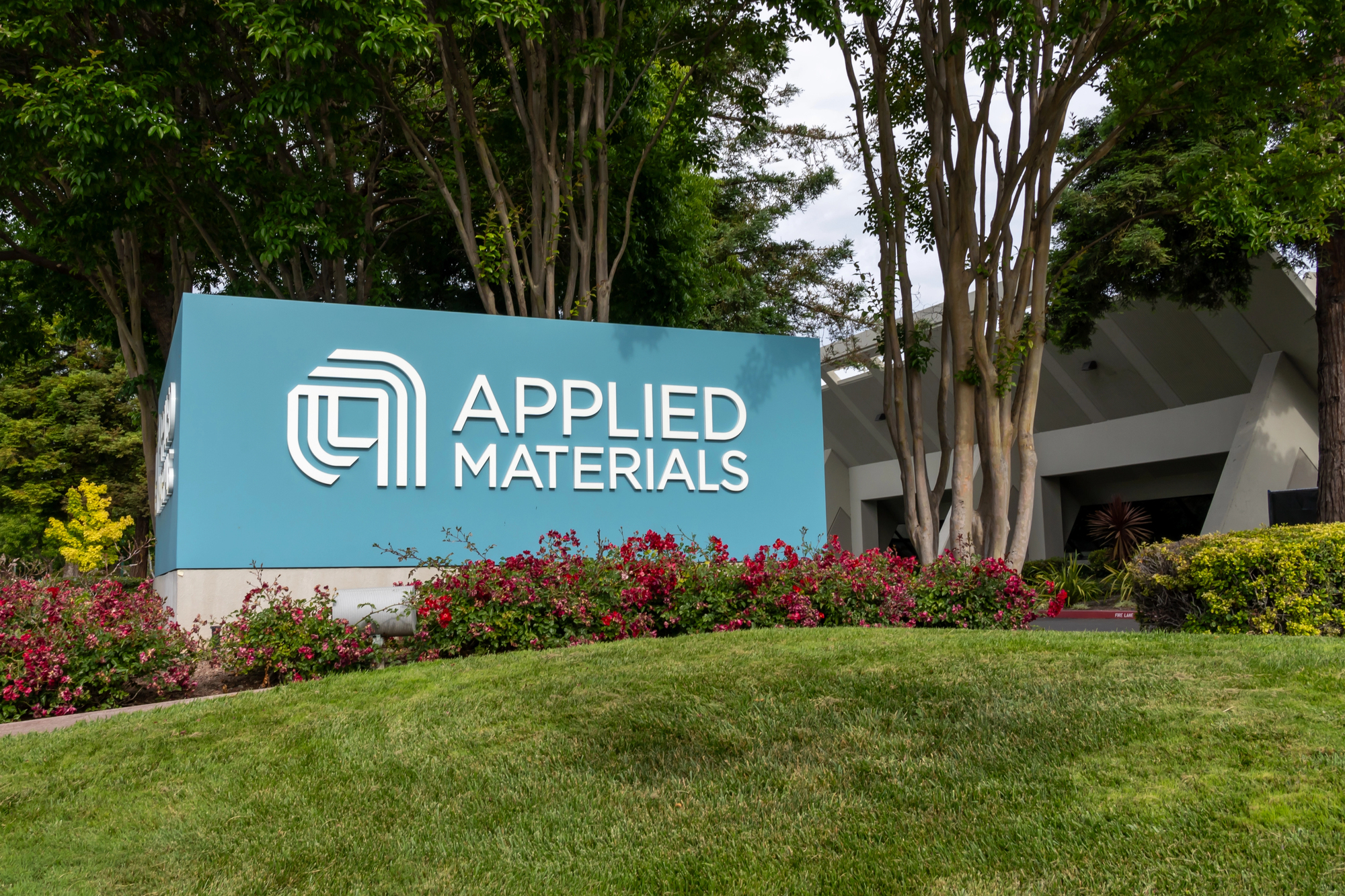
Do you work at Applied Materials? Get the resources you need and expert insights from financial advisors who specialize in helping Applied Materials employees make the most of their compensation package and benefits.
Whether you’re a new Applied Materials employee or you’ve moved up the ranks into a management or executive leadership role over a multi-year career, it’s important to make smart money moves with your income and employee benefits. For example:
✅ Do you know the right moves to make to get the greatest value from the Applied Materials benefits available to you?
✅If you’re thinking about leaving Applied Materials for another job or planning to retire from the company in a few years, are you taking the right steps today to ensure you will receive all of the compensation and benefits that you’ve earned?
Get the Most Value from Your Applied Materials Benefits and Compensation Package
Throughout the year, Applied Materials provides its employees and executives with updates about their benefits ranging from health insurance and health savings plans to retirement plans like a 401(k), deferred compensation plans, and stock options. While the company offers many useful resources and access to knowledgeable staff who can assist with questions, you’ll also find financial professionals not affiliated with Applied Materials who specialize in helping Applied Materials employees make the most of their income and benefits.
Whether you work in the Applied Materials headquarters in Santa Clara, California, their Austin, Texas campus, another office location around the country, or remotely from home, you may have questions about your compensation package and benefits better suited for a financial professional who can offer unbiased advice and guidance.
For example, sensitive topics like discussing the steps you should take before quitting your job at Applied Materials to work elsewhere, protecting yourself in advance of a corporate layoff, or deciding when you should plan to retire are all conversations that may be more comfortable with a trusted financial advisor.
Should you hire a Applied Materials specialist financial advisor or an advisor close to home?
You’ll likely find dozens of nearby financial advisors well-suited to help you reach your money goals with a personalized plan. But it may be more difficult to find a financial advisor who specializes in serving Applied Materials employees.
Fortunately, many financial advisors offer virtual services so you can meet online no matter where you (or they) live.
This means you can choose to hire a specialist financial advisor who lives hundreds of miles away if you decide their knowledge and experience working with Applied Materials employees is a better fit to help with your unique needs.
💡 In the Q&A below, you’ll gain insights from financial advisors who work with Applied Materials employees to help them make smart decisions to get the most value from their compensation and benefits, reduce their money stress, and prepare for a comfortable retirement.
🙋♀️ Do you have questions not yet answered? Use the form below to submit questions anonymously and watch this article for updates with answers to your questions. You can also reach out to the financial advisors below to set up an introductory call or contact them with your questions by email.
💸 Smart Money Insights for Applied Materials Employees & Executives
This page is organized into sections to help you quickly find the information you need and get answers to your questions:
- Q&A: Financial Planning Tips for Applied Materials Employees & Executives
- Get Answers to Your Questions About Your Applied Materials Benefits and Career
- Browse Related Articles
Q&A: Financial Planning Tips for Applied Materials Employees & Executives
Answers to Employee Questions with Brady Lochte
Brady Lochte is a financial advisor based in Georgetown, Texas who specializes in offering financial planning services to Applied Materials employees. Brady helps his clients get the most value from their Applied Materials benefits and compensation package so they can enjoy life and feel confident about their financial future.
Q: As a financial advisor with experience helping Applied Materials employees save for their retirement, how do you help them make the most of their employee benefits?
Brady: Before becoming a financial advisor, I spent four years working at Applied Materials in Austin. Having been on the inside, I understand the day-to-day realities of navigating equity compensation, benefits, and career decisions at the company.
Applied Materials offers a robust retirement ecosystem built on multiple pillars — a 401(k) plan with an employer match, an employee stock purchase program (ESPP) with a discount, and equity compensation through RSUs/stock awards — all of which interact and can materially shape an employee’s long-term financial picture.
I help employees integrate these benefits into a comprehensive plan by first ensuring they take full advantage of the 401(k) match — Applied Materials matches 100% of the first 3% of contributions and 50% of the next 3%, which, if left unused, is essentially forfeited compensation.
From there, I guide clients through strategies for ESPP participation (regular purchases at a 15% discount) and managing RSU vesting schedules to avoid excessive concentration in AMAT stock — a common outcome after several vesting cycles if unmonitored. Balancing diversification, tax timing, and cash flow needs helps employees convert these benefits into a more secure retirement plan rather than leaving them siloed.
Q: When you first speak with an Applied Materials employee, what questions do you like to ask to better understand their unique circumstances and determine how you can best help them achieve their goals?
Brady: I start by understanding how long they’ve been at Applied Materials and what portion of their compensation is now tied up in equity compensation (RSUs/stock awards) and ESPP shares. I’ll ask:
- How many RSUs have vested to date, and how quickly are they vesting going forward?
- Are you participating in the ESPP every cycle? At what percentage?
- How much of your portfolio is in AMAT versus diversified broadly?
- Do you currently utilize Roth vs. pre-tax 401(k)?
These questions help reveal concentration risk, tax exposure, and alignment with personal goals like buying a home, saving for education, or planning for retirement.
Q: Is there a particular benefit available to Applied Materials employees you feel isn’t as well utilized or understood by employees as it should be?
Brady: The ESPP allows employees to purchase company stock at a discounted price through convenient payroll deductions, making it an accessible way for employees to participate in the company’s long-term growth. Because contributions are automated and structured around regular offering periods, it can be an easy benefit to overlook despite its potential value as part of overall compensation.
The education assistance program is another benefit that often goes underutilized. Applied Materials offers support for continuing education, certifications, and degree programs, which can help employees advance their careers while reducing out-of-pocket education costs. When used intentionally, this benefit can provide long-term professional and financial value beyond day-to-day compensation.
Q: Beyond Applied Materials employee benefits for retirement savings, are there other types of benefits offered by the company that you find valuable to discuss with your clients?
Brady: Applied Materials offers benefits that can affect financial planning beyond retirement savings:
- Tuition reimbursement and career development programs, which can meaningfully reduce out-of-pocket education costs and expand earning potential.
- Employee giving match (Applied Materials Foundation matches employee donations), which can be integrated into tax-efficient charitable strategies.
- Comprehensive health and wellness offerings (medical/dental/vision, HSAs/HFSAs) that reduce long-term healthcare cost risk.
These benefits are often overlooked in financial planning but can improve cash flow and reduce expenses over time.
Q: For Applied Materials employees thinking about leaving the company to accept a job elsewhere, what actions do you recommend they take before resigning and shortly thereafter?
Brady: Before leaving, it’s essential to understand your equity vesting schedules and any post-termination windows during which you must take action (e.g., selling or holding vested shares). For ESPP, know when the current offering period ends so you don’t inadvertently miss a discounted purchase or leave funds uninvested.
Shortly after leaving, review and consolidate retirement plans (roll 401(k) to an IRA or new employer plan if appropriate), and reassess your cash position and tax obligations — especially if large equity positions have been sold or will vest soon after departure.
Q: For Applied Materials employees approaching retirement age, how do you recommend they prepare to make the transition from living off their salary to relying upon other sources of income?
Brady: Approaching retirement at Applied Materials often means transitioning from an income heavily weighted in salary and equity compensation to diversified retirement income. I work with employees to build a plan that maps expected income sources (401(k), IRA/rollovers, taxable investments, Social Security) and determine the most tax-efficient withdrawal strategies. Balancing the timing of RSU vesting, ESPP liquidation, and Social Security claiming can materially affect longevity of retirement assets.
Q: For Applied Materials employees who have managed their finances on their own to this point, what would you suggest they consider to help them decide if they should begin working with a financial advisor at this stage in their lives?
Brady: Complex compensation structures — particularly equity compensation and related tax planning — can expose employees to unintended concentration and tax risk. If managing these elements adds stress, or if career changes and non-401(k) planning (like estate or tax planning) are entering the conversation, an advisor can provide structure, coordination, and accountability that’s hard to replicate on your own.
Q: What are some of the unique financial planning challenges you commonly see among your clients who are Applied Materials employees and how do you help them overcome these obstacles?
Brady: Equity concentration is the most common challenge. Over time, RSUs vest and ESPP shares accumulate, meaning a large share of an employee’s net worth may be tied to Applied Materials stock. I help employees develop diversification and risk-management strategies that honor their confidence in the company while protecting their overall financial position.
Other challenges include tax planning around equity events, timing sales to minimize tax impact, and integrating benefits like HSAs/tuition reimbursement into longer-term plans.
Q: What questions do you recommend Applied Materials employees ask financial advisors they’re considering hiring to help them decide if they’re a good fit?
Brady: I recommend asking:
- “How do you approach equity compensation planning, especially with RSUs and ESPP?”
- “Are you a fee-only fiduciary?”
- “Can you walk me through how you’d help me plan for both retirement and potential career transitions?”
These questions help reveal whether an advisor truly understands the nuances of Applied Materials’ compensation structure.
Q: For highly compensated Applied Materials employees and executives, are there any special benefits you believe it’s important to take into consideration when preparing their financial plan?
Brady: Executives often have more complex equity structures — along with sophisticated tax considerations. They benefit from advanced tax planning, retirement transition modeling, and potentially estate and philanthropic planning strategies that coordinate with their compensation timing.
Q: How should Applied Materials employees think about ESPP versus RSU timing?
Brady: ESPP purchase periods and RSU vesting schedules can create clustering of taxable events. Evaluating these together helps optimize tax outcomes and reduce unintended concentration risk — understanding how to space sales is particularly important for employees with significant equity positions.
Q: You previously worked at Applied Materials before becoming a financial advisor. What led you to make that transition, and how does that experience shape the way you work with tech employees today?
Brady: Before founding Axon Capital Management, I spent several years working at Applied Materials, where I gained firsthand experience with the demands, compensation structures, and career paths common across the tech industry. I saw firsthand how compensation structures, equity programs, and career paths evolve over time — and how challenging it can be to make confident financial decisions while balancing a demanding role.
One factor that led me to pursue financial planning was realizing how many colleagues had great incomes and strong benefits, but very little clarity around how all the pieces fit together. Questions around equity compensation, long-term investing, tax planning, and career transitions would often come up informally, and I found myself naturally helping people think through those decisions.
That experience shaped how I work with clients today. I understand the pace, pressure, and complexity that come with tech roles, and I approach planning with that context in mind. My goal is to help employees turn strong compensation into long-term financial security, using clear, practical strategies that align with both their careers and their lives outside of work.
Get to Know Brady Lochte, Financial Advisor for Applied Materials Employees:

View Brady’s profile page on Wealthtender or visit his website to learn more.
Are you a financial advisor who specializes in working with employees at Applied Materials or another large company?
✅ Join Wealthtender and get featured as a specialist financial advisor based on your knowledge and experience working with employees at Applied Materials or another large company. (Subject to availability and terms.)
✅ Sign up today and join financial advisors attracting their ideal clients on Wealthtender
✅ Or request more information by email:
🙋♀️ Have Questions About Your Applied Materials Benefits or Career?
📰 Browse Related Articles



Are you ready to enjoy life more with less money stress?
Sign up to receive weekly insights from Wealthtender with useful money tips and fresh ideas to help you achieve your financial goals.
About the Author

Brian Thorp
Founder and CEO, Wealthtender
Brian is CEO and founder of Wealthtender and Editor-in-Chief. He and his wife live in Austin, Texas.
With over 25 years in the financial services industry, Brian is applying his experience and passion at Wealthtender to help more people enjoy life with less money stress.
Wealthtender is a trusted, independent financial directory and educational resource governed by our strict Editorial Policy, Integrity Standards, and Terms of Use. While we receive compensation from featured professionals (a natural conflict of interest), we always operate with integrity and transparency to earn your trust. Wealthtender is not a client of these providers. ➡️ Find a Local Advisor | 🎯 Find a Specialist Advisor