


Wealthtender is a trusted, independent financial directory and educational resource governed by our strict Editorial Policy, Integrity Standards, and Terms of Use. While we receive compensation from featured professionals (a natural conflict of interest), we always operate with integrity and transparency to earn your trust. Wealthtender is not a client of these providers. ➡️ Find a Local Advisor | 🎯 Find a Specialist Advisor

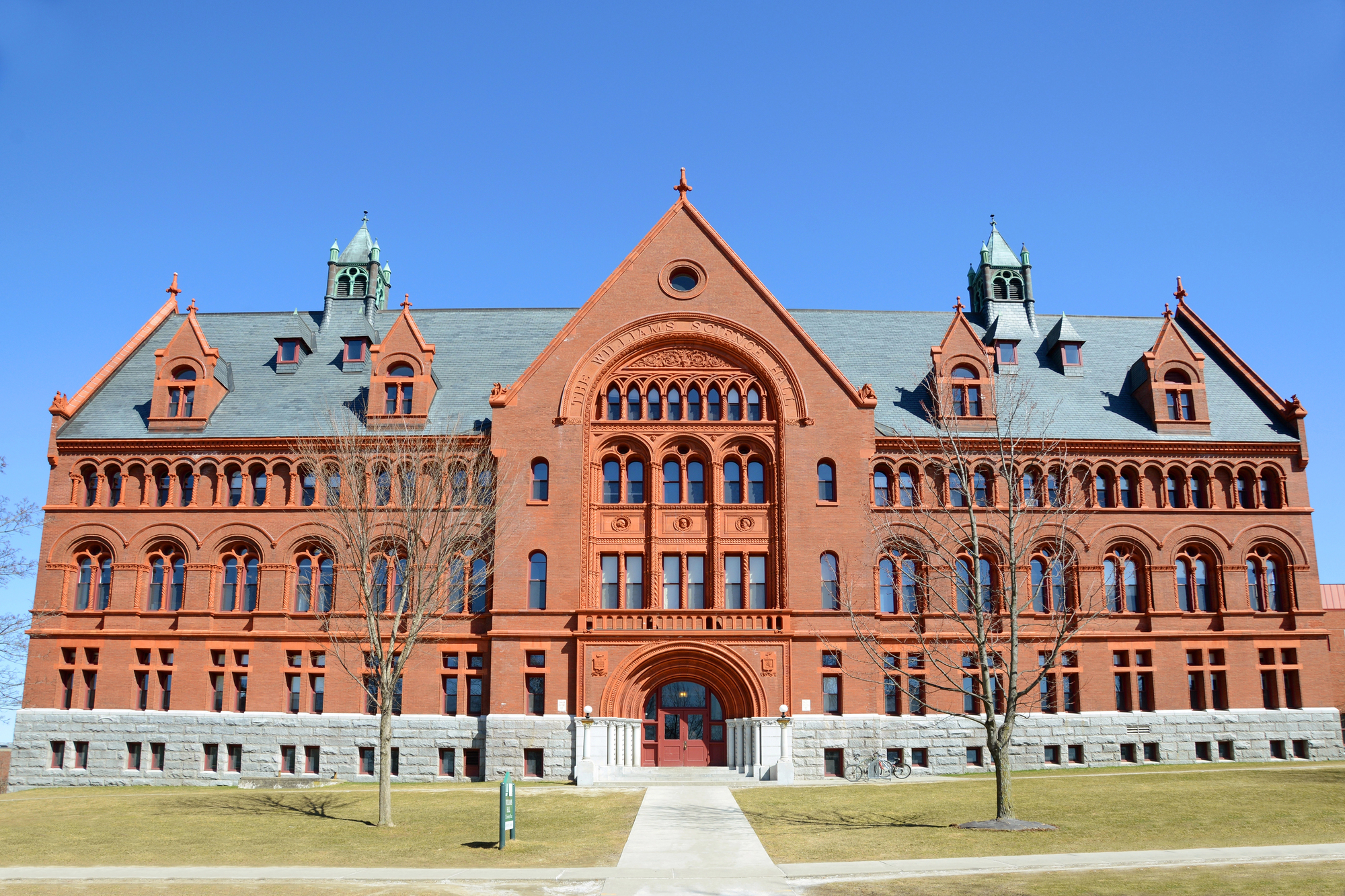
Do you work at the University of Vermont? Get the resources you need and expert insights from financial professionals who specialize in helping University of Vermont faculty and staff make the most of their compensation package and benefits.
Whether you’re a new University of Vermont employee, faculty member, or you’ve moved into a senior administrative role over a multi-year career, it’s important to make smart money moves with your income and employee benefits. For example:
✅ Do you know the right moves to make to get the greatest value from the University of Vermont benefits available to you?
✅If you’re thinking about leaving the University of Vermont for another job or planning to retire from the school in a few years, are you taking the right steps today to ensure you will receive all of the compensation and benefits that you’ve earned?
Get the Most Value from Your University of Vermont Benefits and Compensation Package
Throughout the year, the University of Vermont provides its faculty and staff with updates about their benefits ranging from health insurance and health savings plans to retirement plans. While the university offers many useful resources and access to knowledgeable staff who can assist with questions, you’ll also find financial professionals not affiliated with the University of Vermont who specialize in helping UVM employees make the most of their income and benefits.
Whether you work at the University of Vermont main campus in Burlington, Vermont, another location around the state, or remotely from home, you may have questions about your compensation package and benefits better suited for a financial professional who can offer unbiased advice and guidance.
For example, sensitive topics like discussing the steps you should take before quitting your job at the University of Vermont to work elsewhere or deciding when you should plan to retire are all conversations that may be more comfortable with a trusted financial advisor.
Should you hire a University of Vermont specialist financial advisor or an advisor close to home?
You’ll likely find dozens of nearby financial advisors well-suited to help you reach your money goals with a personalized plan. But it may be more difficult to find a financial advisor who specializes in serving University of Vermont employees.
Fortunately, many financial advisors offer virtual services so you can meet online no matter where you (or they) live.
This means you can choose to hire a specialist financial advisor who lives hundreds of miles away if you decide their knowledge and experience working with University of Vermont employees is a better fit to help with your unique needs.
💡 In the Q&A below, you’ll gain insights from financial advisors who work with University of Vermont employees to help them make smart decisions to get the most value from their compensation and benefits, reduce their money stress, and prepare for a comfortable retirement.
🙋♀️ Do you have questions not yet answered? Use the form below to submit questions anonymously and watch this article for updates with answers to your questions. You can also reach out to the financial advisors below to set up an introductory call or contact them with your questions by email.
💸 Smart Money Insights for University of Vermont Faculty and Staff
This page is organized into sections to help you quickly find the information you need and get answers to your questions:
- Q&A: Financial Planning Tips for the University of Vermont Faculty and Staff
- Get Answers to Your Questions About Your University of Vermont Benefits and Career
- Browse Related Articles
Q&A: Financial Planning Tips for University of Vermont Faculty and Staff
Answers to UVM Employee Questions with Nev Kraguljevic, MBA, CSLP
Nev Kraguljevic is a financial advisor based in Shelburne, Vermont, who specializes in offering financial planning services to University of Vermont faculty and staff. Nev helps his clients get the most value from their UVM benefits and compensation package so they can enjoy life and feel confident about their financial future.
Q: As a financial advisor with experience helping University of Vermont faculty and staff save for their retirement, how do you help them make the most of their employee benefits?
Nev: First, I like to ensure that they are maximizing on the benefits provided by UVM, anywhere from their 403(b) and 457 retirement plans as well as the Retirement Health Savings Plan (RHSP) which helps with health costs during retirement as well as health benefits options while they are employed and looking to leverage the HSA and FSA opportunities. Next, I look for opportunities to ensure employees maximize on other insurances, such as disability and life and for clients who are seeking additional education or have college-bound children, I am a huge fan of the tuition reimbursement and employee discounts. Finally, I always ask my clients if they have student loans, as it impacts our plan and timeline for their PSLF (Public Service Loan Forgiveness).
Q: When you first speak with a University of Vermont employee, what questions do you like to ask to better understand their unique circumstances and determine how you can best help them achieve their goals?
Nev: I start every client relationship with “getting to know you” meeting. During this 90-minute interaction I like to understand not only their current and future goals, but also their life-time and family relationship with money, their upbringing, their values, the current circumstances, and behavior when it comes to any and all financial decisions. I believe in holistic planning and like to consider their aging parents or other family members, like siblings, children, or anyone else who may become financially dependent on the clients, as I believe all of that impacts how we approach their plan and our collaborative approach to building it.
Q: Is there a particular benefit available to UVM employees you feel isn’t as well utilized or understood by employees as it should be?
Nev: Yes! Three specific pieces come to mind: HSA v. FSA, Disability insurance, and retirement contributions. I find that employees often don’t understand the difference between HSA and FSA and the impact it can have, not only on their healthcare and retirement, but also taxes. I also find, especially with younger employees that they deeply discount disability insurance coverage as an event that they believe has a super-low probability of happening, meanwhile research tells us that the probability is rather high. Finally, the number of employees who don’t even meet the UVM contribution match is really high. I often have to remind folks that this is free money that is readily available to them.
Q: Beyond the University of Vermont employee benefits for retirement savings, are there other types of benefits offered by the school that you find valuable to discuss with your clients?
Nev: Absolutely! First, tuition reimbursement is huge. In the era where a college degree can cost as much as a home, having a benefit where even a portion of that cost can be reduced or even completely removed is tremendous. Second one that I really like is the PSLF track for folks who have student loans. And finally, ability to participate in multiple retirement savings vehicles can give folks a ton of flexibility.
Q: For University of Vermont employees thinking about leaving the school to accept a job elsewhere, what actions do you recommend they take before resigning and shortly thereafter?
Nev: Most of the UVM employees when they leave, they go into a different university or college. I have them evaluate not only the new salary, but also benefits that are offered and if they are moving out of state we consider the cost of living in the new area. If they are leaving education or non-profit as a whole, I like to account for the student loans and calculate the impact. And of course, just like any other job, I like to look at the retirement vesting to make sure we account for everything.
Q: For University of Vermont employees approaching retirement age, how do you recommend they prepare to make the transition from living off their salary to relying upon other sources of income?
Nev: This is often challenging, no matter what job or company you are leaving. For some individuals, in addition to income and expenses we talk about the social, purpose, and scheduling impact. For nearly all individuals I have conversations about mental-model change where we shift from accumulation phase to decumulation phase. I find that for many folks this is really hard concept to grasp, which makes perfect sense – you spent your whole life being taught to save and now you have to stop doing that and start taking funds out of it. It can be very weird, uncomfortable, and just plain scarry for many. So we plan and we talk about it and we strategize.
Q: For University of Vermont employees who have managed their finances on their own to this point, what would you suggest they consider to help them decide if they should begin working with a financial advisor at this stage in their lives?
Nev: I will be honest to say that I am a little biased here, as I truly believe that everyone can benefit from working with a financial planner. With that being said, here are a few questions to ask yourself:
- Do you enjoy dealing with finances, picking holdings and rebalancing your portfolio, keeping up with changes, and continuously learning about money and finance?
- Can you have an open and honest conversation with your spouse/partner and other family members about the finances and ensuring everyone is aligned and “rowing” in the same direction?
- Are you comfortable spending at least a little bit of time each week or month going through your finances?
- Do you know and understand your cash flow (how money comes in and from where and where does it go when it reaches you) and does it support your needs and goals?
- Are you maximizing all of the benefits, ensuring proper risk management and insurance coverage, and having a sufficient retirement savings rate?
- Have you gone through estate and legacy planning and do you review your documents on regular basis?
- Do you understand the financial industry lingo (like difference between stocks and bonds, ETFs and Mutual Funds, expense ratios, load fees, FSA v. HSA…)?
If you have answered yes to all these questions, chances are pretty good you are fine to continue on your own. I do believe (see my self-disclosed bias above) that having a neutral party build and regularly review your financial plan may be a really good idea and beneficial to you.
If, however, you answered most of these questions with no or maybe, I believe you’ll benefit greatly in working with a financial planner, who can not only help you with investment management, but also build other aspects of your financial plan and then work with you to ensure it’s either being followed or ammended, as your situation changes.
If you have answered yes to all questions except for number one (the “enjoy” one), I truly believe you’ll benefit from working with a financial planner well beyond the merely financial perspective.
Q: What are some of the unique financial planning challenges you commonly see among your clients who are University of Vermont employees and how do you help them overcome these obstacles?
Nev: Two main challenges come up with UVM employees: academic employment and union vs non-union, staff vs faculty vs executive. And then if we broach into the UVM Health world then we have a whole new set of challenges that play the part. This makes for individualized, unique, and specific planning challenges and opportunities, but all are doable with proper planning.
Q: What questions do you recommend University of Vermont employees ask financial advisors they’re considering hiring to help them decide if they’re a good fit?
Nev: I always tell folks to find individuals who will build their financial plan with them and help them manage and amend it regularly. Second, I remind folks that we all use the same handful of software and set of investments. I truly believe that the real difference is finding someone who gets you, someone who makes you feel seen, heard and safe, and someone that will have your best interest at heart always. Here are a few tips I can offer:
- Trust your gut, even if you can’t put your finger on it.
- Find someone who will proactively reach out to you with relevant information or update that applies to your life.
- Ask hard questions, including hypotheticals.
- Pay attention to what questions they ask during the discovery call.
- Ask them why and how they chose this career.
Q: Is there anything that comes up frequently in your initial meeting with University of Vermont employees that surprises you?
Nev: All my initial meetings focus on getting to know my clients as people and we rarely even talk about the work. One piece that often comes through from the UVM employees is the commitment to life-long learning and desire to make the world better for the future generations, but that’s not suprising.
Q: For highly compensated University of Vermont employees, are there any special benefits you believe it’s important to take into consideration when preparing their financial plan?
Nev: In short yes, but it all depends on who, where, when… given the multitude of different options it’s really hard to give a quick answer as I believe it’s very much individual impact vs group as a whole.
Q: Is there a particularly memorable experience or a moment you recall with a client who worked at University of Vermont when you realized they have unique opportunities and circumstances when it comes to their financial planning needs?
Nev: I believe that every client has unique opportunities, circumstances and challenges no matter where they work. Partially, it is about the place of employment, but family, age, upbringing, gender, how we process information, etc make a much larger differential in planning needs. What is perhaps unique about public higher education institutions like UVM is the reliance on federal and state funding (in addition to enrollment) and impact on the workforce and the community when those shift.
Get to Know Nev Kraguljevic, Financial Advisor for University of Vermont Employees:

View Nev’s profile page on Wealthtender or visit his website to learn more.
Are you a financial advisor who specializes in working with employees at University of Vermont or another large company?
✅ Join Wealthtender and get featured as a specialist financial advisor based on your knowledge and experience working with employees at University of Vermont or another large company. (Subject to availability and terms.)
✅ Sign up today and join financial advisors attracting their ideal clients on Wealthtender
✅ Or request more information by email:
🙋♀️ Have Questions About Your University of Vermont Benefits or Career?
📰 Browse Related Articles



Are you ready to enjoy life more with less money stress?
Sign up to receive weekly insights from Wealthtender with useful money tips and fresh ideas to help you achieve your financial goals.
About the Author

Brian Thorp
Founder and CEO, Wealthtender
Brian is CEO and founder of Wealthtender and Editor-in-Chief. He and his wife live in Austin, Texas.
With over 25 years in the financial services industry, Brian is applying his experience and passion at Wealthtender to help more people enjoy life with less money stress.
Wealthtender is a trusted, independent financial directory and educational resource governed by our strict Editorial Policy, Integrity Standards, and Terms of Use. While we receive compensation from featured professionals (a natural conflict of interest), we always operate with integrity and transparency to earn your trust. Wealthtender is not a client of these providers. ➡️ Find a Local Advisor | 🎯 Find a Specialist Advisor