



Do you work at OpenAI?
Get expert insights from a financial advisor who specializes in helping OpenAI employees and executives make the most of their compensation package and benefits.
Looking for a financial advisor who specializes in working with OpenAI employees? You’re in the right place. Below, you’ll find an advisor who understands OpenAI benefits and compensation — along with their answers to common financial questions from OpenAI employees and executives.
Whether you recently joined OpenAI or you’ve advanced into a management or executive leadership role over a multi-year career, making smart decisions about your income and OpenAI benefits can have a lasting impact on your financial future. For example:
✅ Do you know the right moves to get the greatest value from the OpenAI benefits available to you?
✅ If you’re thinking about leaving OpenAI for another job or planning to retire in a few years, are you taking the right steps today to receive all the compensation and benefits you’ve earned?
Key Takeaways
OpenAI Pays Most Equity as PPUs (Profit Participation Units), Not Traditional Stock
OpenAI’s primary equity instrument is the Profit Participation Unit, which grants a share of the company’s future profits rather than actual shares, vests over four years, and becomes liquid mainly through periodic tender offers. Some newer employees may also hold RSUs or options, so the first step is understanding exactly what type of equity you have.
Concentrated OpenAI Equity Is the Biggest Risk Many Employees Overlook
Because OpenAI equity values have climbed quickly, that equity can make up an outsized share of an employee’s net worth. Joe Forish suggests dividing your vested OpenAI equity by your total investable assets. For long-tenured employees, that figure often lands between 60% and 95%, and selling 5–15% of your position across tenders can meaningfully reduce risk while leaving plenty of upside.
OpenAI Has Confidentially Filed for an IPO, Raising the Stakes on Liquidity Planning
OpenAI confidentially submitted a draft IPO registration with the SEC in 2026, though the company has said timing is undecided and a public listing could still be a while away. A clear plan covers how concentrated you are, how much equity to sell at liquidity events such as tender offers or an eventual IPO, and how to manage the resulting tax bill.
Why OpenAI Employees Work with a Specialist Financial Advisor
Throughout the year, OpenAI provides its employees and executives with updates about their benefits, ranging from health insurance and health savings accounts to retirement plans like a 401(k), along with equity compensation. Unlike most public companies, OpenAI has historically granted equity as Profit Participation Units (PPUs) — a share of the company’s future profits that vests over several years and becomes liquid mainly through periodic tender offers — though some employees may also hold restricted stock units (RSUs) or stock options. While the company offers many useful resources and access to knowledgeable staff who can assist with questions, you’ll also find financial professionals not affiliated with OpenAI who specialize in helping OpenAI employees make the most of their income and benefits.
Whether you work at OpenAI’s San Francisco headquarters in the Mission Bay area, a growing office elsewhere in the Bay Area or another city, an international office, or remotely from home, you may have questions about your compensation package and benefits better suited for a financial professional who can offer unbiased advice and guidance.
Sensitive topics — like the steps you should take before quitting your job at OpenAI to work elsewhere, protecting yourself in advance of a corporate layoff, or deciding when you should plan to retire — are all conversations that may be more comfortable with a trusted financial advisor.
Should You Hire an OpenAI Specialist or a Local Financial Advisor?
You’ll likely find dozens of nearby financial advisors well-suited to help you reach your money goals with a personalized plan. But it can be harder to find a financial advisor who specializes in serving OpenAI employees. Fortunately, many financial advisors offer virtual services, so you can meet online no matter where you (or they) live — which means you can hire a specialist financial advisor who lives hundreds of miles away if their knowledge and experience working with OpenAI employees is the better fit for your unique needs.
💡 In the Q&A below, you’ll gain insights from a financial advisor who works with OpenAI employees to help them make smart decisions, get the most value from their compensation and benefits, reduce their money stress, and prepare for a comfortable retirement.
🙋♀️ Have a question not yet answered? Use the form below to submit it anonymously and watch this article for updates with answers to your questions. You can also reach out to the financial advisor below to set up an introductory call or contact them with your questions by email.
Q&A: Financial Planning Tips for OpenAI Employees & Executives
In this section, you’ll learn how you can make the most of your OpenAI employee benefits and gain valuable tips from a financial advisor who specializes in working with OpenAI employees and executives.
Financial Advisor Q&A · OpenAI Employees
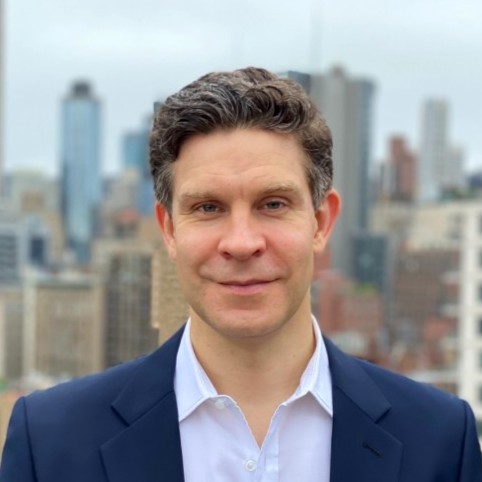
Joe Forish, CFA, CFP®
Fortrove Partners · New York, NY · Serves clients nationwide
Specializes in OpenAI employee financial planning & equity compensationJoe Forish is a financial advisor based in New York, NY who specializes in offering financial planning services to OpenAI employees. Joe helps clients get the most value from their OpenAI benefits and compensation package so they can enjoy life and feel confident about their financial future.
QAs a financial advisor with experience helping OpenAI employees save for their retirement, how do you help them make the most of their employee benefits?
How much cash you need before the next tender offer window?
What you can contribute to your 401(k) and HSA?
How much company equity can you donate to charity?
How does each choice affect your taxes?
Here’s our OpenAI equity guide.
QWhen you first speak with an OpenAI employee, what questions do you like to ask to better understand their unique circumstances and determine how you can best help them achieve their goals?
We start with your life questions, such as: What do you want the next five years to look like? Would you like to buy a home? Do you want to have / grow your family? Do you want to take a sabbatical or start a company?
Then move to the equity.
What exactly do you hold? OpenAI employees may have PPUs, RSUs, shares, or options, depending on when they joined. Two people with the same equity value can keep very different amounts after tax.
Did you sell in the October 2025 or August 2026 tender? Why or why not?
How much of your net worth is OpenAI equity? Most people haven’t written that number down.
Where do you live, and are you planning to move? For California residents, state tax can be the biggest single factor in what you keep.
Are you thinking about leaving in the next year or two?
The answers are important and help us build a plan together.
QIs there a particular benefit available to OpenAI employees you feel isn’t as well utilized or understood by employees as it should be?
OpenAI has run three so far: $1.5B in 2024, $6.6B in October 2025, and $7B in August 2026.
Many eligible employees decided not to sell. Here’s more in our OpenAI tender offer guide.
QBeyond OpenAI employee benefits for retirement savings, are there other types of benefits offered by the company that you find valuable to discuss with your clients (e.g. stock, education savings, health savings)?
NSOs, ISOs, and RSUs all have different tax implications during liquidity events, either tender offers or an IPO.
Taking an inventory of your ownership and being prepared for upcoming opportunities is exciting!
Additionally, we evaluate education savings, HSAs, and company equity charity donations as part of an entire financial plan.
For example, California residents can face a combined marginal tax rate of 52–54% on their equity. See our OpenAI California tax guide for an in-depth discussion.
QFor OpenAI employees thinking about leaving the company to accept a job elsewhere, what actions do you recommend they take before resigning and shortly thereafter?
Next, find out whether you can still sell in future tenders as a former employee.
Third, review what equity is vested, and what you forfeit upon departure. Additionally, there may be repurchase or transfer limits on your shares, so read your documents.
If another vesting threshold is approaching, you may want to wait for it before resigning.
QFor OpenAI employees approaching retirement age, how do you recommend they prepare to make the transition from living off their salary to relying upon other sources of income?
We map out spending, liquidity event proceeds (tender offers and IPO), tax implications, and investments.
Then we build a financial plan around your life.
QFor OpenAI employees who have managed their finances on their own to this point, what would you suggest they consider to help them decide if they should begin working with a financial advisor at this stage in their lives?
For DIY investors, picking good investments isn’t the hard part. The hard part is deciding how much to sell during a tender offer, while you still don’t know the IPO date, the tax treatment, or what your partner wants.
If you’d like to make that decision with someone who has done this before, working with an advisor can be very helpful. Our how to choose an OpenAI financial advisor details the questions to ask when deciding to hire someone.
QWhat are some of the unique financial planning challenges you commonly see among your clients who are OpenAI employees and how do you help them overcome these obstacles?
We help you understand what you want from your equity while building scenario planning for your life.
In addition, OpenAI’s corporate structure has no precedent. After the 2025 conversion to a Public Benefit Corporation, the nonprofit foundation controls the company while owning a stake in the business.
We help OpenAI employees understand their position in light of this new structure. There’s more in OpenAI’s PBC conversion explained.
QWhat questions do you recommend OpenAI employees ask financial advisors they’re considering hiring to help them decide if they’re a good fit?
How do you model OpenAI PPUs differently from RSUs?
Have you helped clients decide how much to sell in an actual tender offer?
How do you work with my CPA on AMT and California taxes?
Can you coordinate planning with a trusts and estates attorney?
One more thing to watch: does the advisor ask about your goals before talking about your equity?
QIs there anything that comes up frequently in your initial meeting with OpenAI employees that surprises you?
If I participate in the tender offer, how much potential future upside am I giving up by selling my equity today?
How much should I commit to exercising my stock options, and does exercising make financial sense for me?
How do I manage my taxes with my RSUs?
What happens to my equity ownership once the company is public and the stock price fluctuates every day?
For the August 2026 tender offer, the valuation was the same as the previous funding round in March 2026. Many OpenAI employees assumed waiting for the next tender would get them a better price, but this wasn’t the case.
QFor highly compensated OpenAI employees and executives, are there any special benefits you believe it’s important to take into consideration when preparing their financial plan?
Above a certain wealth level, the tender can’t reduce your concentration enough on its own.
So we plan multiple years of liquidity alongside charitable giving, trusts, and gifting strategies that work whether or not the IPO arrives on schedule.
QIs there a particularly memorable experience or a moment you recall with a client who worked at OpenAI when you realized they have unique opportunities and circumstances when it comes to their financial planning needs?
The moment that stays with me isn’t one client. It’s a conversation that happens again and again.
Picture an OpenAI employee who sells $2M in a tender. They’ve always wanted to give back in a meaningful way. Then they see the tax estimate. At California rates, a big share of the gain from that sale goes to taxes, and the year their income is highest is the year a deduction is worth the most.
So we make some changes. Instead of giving a little each year, they put several years of planned giving into a donor-advised fund in the tender year. The deduction is very beneficial and the money can go to charities over the coming years.
That’s when OpenAI employees realize their equity can do more than build personal wealth. With a strong plan, the generosity helps organizations and people they care about.
QWith OpenAI now operating as a public benefit corporation after moving away from its original ‘capped-profit’ structure, how should employees think about valuing and planning around their equity grants when the company’s path to liquidity is less predictable than a typical pre-IPO startup?
OpenAI funded the August tender with its own cash, which suggests more offers are likely before a public listing.
We model what you’d sell at each tender offer and what your taxes look like in each case. We keep the date current in our OpenAI timeline tracker.
QOpenAI employees often face strict secondary-market restrictions and limited windows to sell private shares—what strategies do you use to help clients manage concentration risk and cash-flow needs when so much of their net worth is tied up in illiquid OpenAI equity?
The math is simple. Divide your vested OpenAI equity by your total investable assets. For long-tenured employees, OpenAI equity often makes up 60–95% of your net worth.
Selling 5–15% of your position across tenders can change your risk meaningfully and still leave you plenty of upside.
QHow do you help OpenAI employees evaluate and make decisions around equity compensation, including restricted stock units and profit participation units, given the complexities of working at a late-stage private AI company with limited liquidity options?
For OpenAI employees, the lack of liquidity is challenging. Your equity can be worth a lot on paper, but it partially turns into cash only when OpenAI runs a tender offer. The company sets the price, the window, and the per-person cap.
We work through four questions.
1. What do you actually hold?
PPUs and RSUs differ in how they vest, how they’re valued, and how they’re taxed when sold. We read your grant agreements before modeling anything.
2. What will a tender pay after taxes?
We model your proceeds at the tender price. We include the gap between what’s withheld and what you’ll owe, plus state taxes.
3. How much should you sell at each window?
We set a dollar target tied to your goals – a home, a cash reserve, or lower stock concentration. We decide the amount before the window opens, not while the clock is running.
4. What if the IPO slips again?
It’s now expected in 2027. We build the plan so it works whether your next liquidity comes from a tender or a public listing.
With limited liquidity, you get fewer chances to get this right. Each window should arrive with the decision already made. Our OpenAI Tender Offer Guide covers how past tenders worked.
QHow do you advise OpenAI employees on balancing the concentration risk of holding significant illiquid equity in a single high-growth private company while still building a diversified long-term financial plan?
We split the plan into two parts: your OpenAI equity, and everything else.
The “everything else” plan comes first.
Your salary, 401(k), HSA, and savings should cover the goals that can’t wait – a cash reserve, retirement, living expenses. We build that plan as if your OpenAI equity were worth zero. That’s not because we expect it to be. It’s because your essential goals shouldn’t depend on a tender window or an IPO date.
The OpenAI equity becomes the upside.
From there, we set how much of it you’d keep no matter what happens, and how much you’d sell at each liquidity event to move money into other areas. Each sale adds to the part of your net worth that doesn’t depend on one company.
The IPO adds new risks to plan for.
OpenAI has confidentially filed for an IPO, and the listing is now expected in 2027. A public listing doesn’t mean immediate liquidity.
Employees are typically locked up for 90 to 180 days, and RSUs that vest at the IPO can create a large tax bill while the shares still can’t be sold. We plan the cash for that tax bill and a sell schedule for after the lockup well before the IPO happens. More in our OpenAI IPO equity guide.
Concentration risk for OpenAI employees doesn’t start at the IPO. It starts with building a plan that works to diversify it.
QIf I move out of California before the IPO, do I avoid California tax on my OpenAI equity?
Not usually. California taxes equity compensation based on where you worked while it vested. For example, your RSUs vested over four years and you worked in California for three of them. California usually taxes three-quarters of that income, even after you move.
Growth after you’ve moved is different. Gains on shares you already own, sold after you’ve become a non-CA resident, are generally taxed by your new state.
California looks closely at people who leave before a big payout: where your home is, where your family lives, where you spend your days. A move made a few months before a liquidity event is easy to challenge. A move planned years ahead is much harder to challenge.
Moving also doesn’t mean escaping state tax. I work with clients in New York, which has its own income tax, plus a separate city tax in New York City. The right decision depends on where you want to live, not just the tax rate. There’s more in our OpenAI California tax guide.
Considering a financial advisor who specializes in working with OpenAI employees?
This article is for informational purposes only and does not constitute tax, legal or investment advice. Equity plan terms vary by grant agreement.
Please consult a qualified tax professional, tax attorney and a CERTIFIED FINANCIAL PLANNER® professional before implementing any strategy discussed here.
Advisory services offered through Fortrove Partners LLC, a Registered Investment Advisor.
Ask a Financial Advisor Your OpenAI Benefits & Career Questions
Are you ready to enjoy life more with less money stress?
Sign up to receive weekly insights from Wealthtender with useful money tips and fresh ideas to help you achieve your financial goals.





About the Author
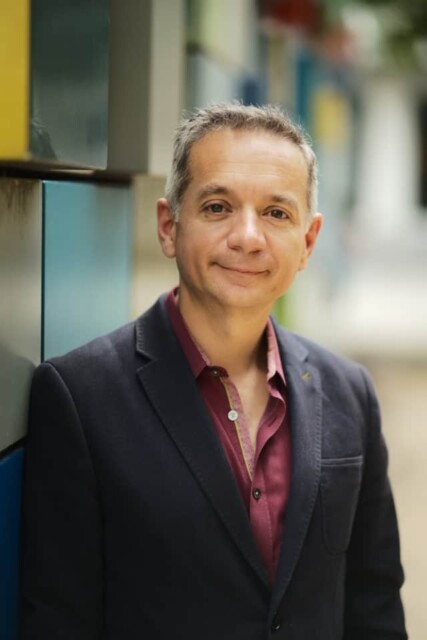
Brian Thorp
Founder & CEO, Wealthtender · Editor-in-Chief
Brian Thorp is the founder and CEO of Wealthtender and serves as Editor-in-Chief. With over 25 years in the financial services industry — including nearly 22 years at Invesco, where he led strategic partnerships with wealth management firms representing more than $100 billion in assets — Brian founded Wealthtender to help people find financial advisors they can trust and make more informed money decisions.
A member of the National Society of Compliance Professionals and its SEC Marketing Rule Working Group, Brian was recognized by WealthManagement.com as one of its “Ten to Watch in 2024” for his work reshaping how financial advisors market their services. He holds a B.B.A. in Finance from The University of Texas at Austin.
Brian and his wife live in Austin, Texas.