Ask an Advisor: I’ve heard there are ways I can use my business to start saving for my kids. What is the best way to do this?

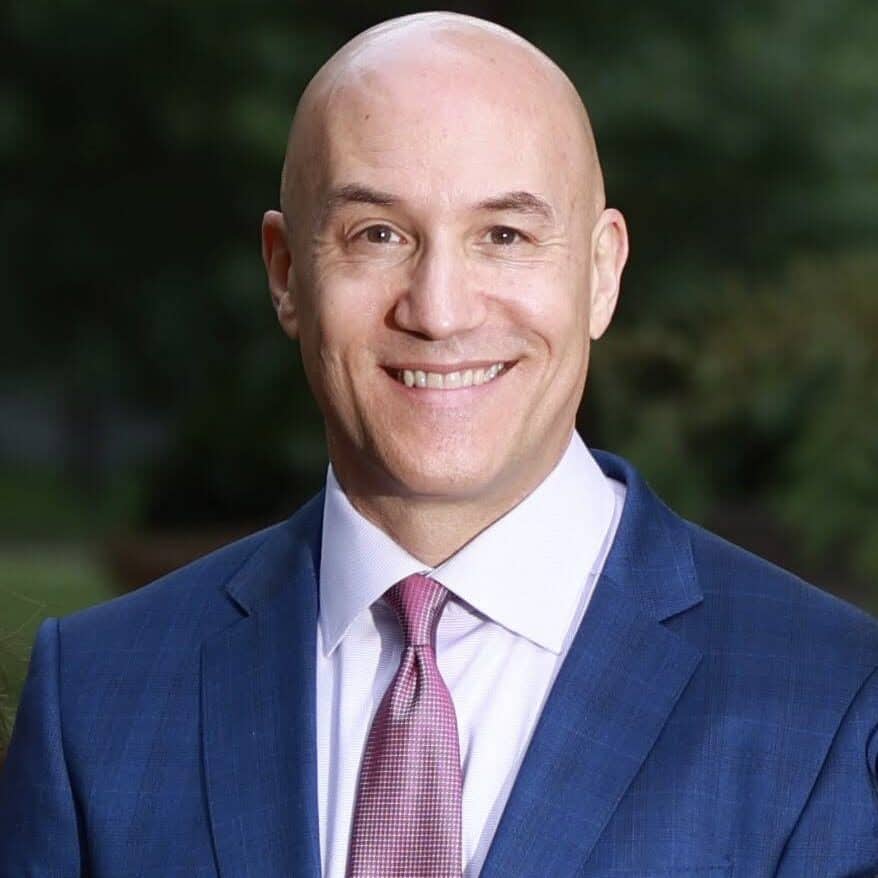
A smiling man in a blue suit stands in the foreground of a modern, brightly lit office with glass walls and blurred desks in the background.
Image Credit: Wealthtender.

That’s smart thinking! It takes true entrepreneurial spirit to see your business not only as a vehicle for your own success, but also as a way to give your kids a financial head start. This is the kind of long-game, strategic mindset that turns your hard work into a lasting family legacy.

When we invest our time, energy, and effort into building a business, it’s not just about generating income today; it’s about putting that income to work for the people and priorities we care about most.

New Rules, New Opportunities

One of the unique benefits of business ownership is access to opportunities that many people never even hear about. Gen X and elder Millennials are playing by a different set of rules than their parents, and rather than jumping on the bandwagon about Boomers having it easier, some of us are more interested in focusing on the new rules that work in our favor. 

For example, the 2017 Tax Cuts and Jobs Act and its recent extension were moves that some critics argue primarily benefit wealthier households. Regardless of the debate, as responsible stewards of our wealth, it’s up to us to use what’s available—ethically and wisely—to benefit our families and communities.

Hiring Your Kids: A Simple, Effective Strategy

One of the most straightforward ways to use your business to benefit your children is to hire them for legitimate work. Sure, I did some filing at my dad’s law firm when I was growing up; it was a formative learning experience that helped inspire me to go into business for myself. But when it came to financial gain, I just spent my earnings on baseball cards and video games. Maybe you can relate. Things are different now.

According to the IRS, if your business is a sole proprietorship (or a partnership in which both partners are the child’s parents), wages paid to a child under 18 aren’t subject to Social Security or Medicare taxes, and wages under 21 aren’t subject to Federal Unemployment Tax Act (FUTA) taxes. If you pay them for legitimate work, such as organizing files, setting up computer systems, doing research, or helping with social media, and carefully document the hours and pay, you can deduct those wages as a business expense. [1]

Turning Earnings Into Long-Term Wealth

Here’s where it gets exciting: if your child has earned income, they have the option to contribute to a custodial Roth IRA—up to $7,000 in 2025 or the amount they earned, whichever is less. That money could grow tax-free for 40 or 50 years. Imagine the impact of starting their retirement savings before they even finish high school. You’ll also be in the position to explore strategies like rolling over unused 529 plan funds (up to $35,000, with certain rules) into a Roth IRA when they’re older.

More Than Money

This isn’t about spoiling your kids. It’s about instilling good financial habits early and ensuring that the wealth you’ve worked hard to build continues to serve your family for generations.

Not every advisor is fluent in these strategies, and even fewer can help you integrate them into a comprehensive plan that aligns with your business, tax, and estate goals. Be sure to work with someone who understands the nuances of business ownership and alternative wealth-building strategies, because that’s how you turn opportunity into legacy while also giving your bottom line a boost.

Sources:
1. https://www.irs.gov/businesses/small-businesses-self-employed/family-employees

Sean Gerlin, CFP®, CPWA®, ChFC®, CLU®, is the Founder and Principal of Envision Wealth Planners, a fee-only financial advisory firm based in the greater Orlando area. Sean specializes in helping high-income families, business owners, and commercial real estate executives align their wealth with their values through a comprehensive Financial Life Planning approach. Learn more about them at envisionplanners.com

This material has been prepared in collaboration with Crystal Marketing Solutions, LLC, and has been edited with the assistance of artificial intelligence tools. The information presented is based on sources believed to be reliable and accurate at the time of publication. This material is for educational purposes only and does not necessarily reflect the views of the author, presenter, or affiliated organizations. It should not be construed as investment, tax, legal, or other professional advice. Always consult a qualified professional regarding your specific situation before making any decisions.

Have a Question to Ask a Financial Advisor?

When you’re uncertain about money matters, submit your question to Wealthtender, and it may be answered by a financial advisor in an upcoming article or in the Wealthtender Expert Answers Forum.

Need personalized help? Visit wealthtender.com to find the right financial advisor for your unique needs.

This article was originally published on Wealthtender and is intended for informational purposes only and should not be considered financial advice. You should consult a financial professional before making any major financial decisions. Wealthtender earns money from financial professionals, which creates a conflict of interest when these professionals are featured in articles over others. Read the Wealthtender editorial policy and terms of service to learn more. Wealthtender is not a client of these financial services providers.

About the Author

Sean Gerlin, CFP®, CPWA®, ChFC®, CLU®
Sean Gerlin, CFP®, CPWA®, ChFC®, CLU® Creating Clarity Out Of Complexity
Areas of Focus
Alternative Investments Business Owners Financial Life Planning High Net Worth Investment Management
Compensation Methods
Fee Only Flat Fee Percentage of Assets Managed Subscription

Sean Gerlin, CFP®, CPWA®, ChFC®, CLU® | Envision Wealth Planners

[The swift rise of more than 14,000 global ETFs, including 4,400 in the U.S., has propelled the $15 trillion ETF market into one of the fastest-growing areas of finance. Fueled by product innovation, regulatory changes, and the entry of both established and emerging sponsors, the ETF market is expanding at a pace that has PwC projecting $30 trillion in global assets by 2029.

This surge signals more than just growth – it marks the full transition of ETFs from niche products to a core component of modern investment strategies. And with that shift comes a new challenge: navigating an increasingly complex universe of Exchange-Traded Products that requires high-quality and precise data.

To delve more deeply into how ETF research is keeping pace with the expanding global ETF marketplace, we reached out to Jim Gregory, Senior Director of Business Development, and Trammel Robinson, Director, ETF Issuer Relations at ETF Global – a leading, independent provider of enterprise-grade ETF reference data, analytics, and hosts of their semi-annual ETP Forums dedicated exclusively to the global Exchange-Traded Products ecosystem. At the core of their value proposition is data that is structured, timely, and precise, fueling ETF research with comprehensive ETF coverage. They provide T+1 timeliness and institutional-grade data feeds to hundreds of institutional investors, including top quantitative hedge funds.

As specialist ETF data providers, we asked them how they developed their data capabilities to support institutional and financial research professionals in understanding and navigating this rapidly growing global pool of diverse ETF vehicles that places a higher level of complexity on research, due diligence, analysis, selection, and portfolio construction.]

Hortz: What is your data philosophy and how does it serve the needs of your clients and industry partners?

Gregory: Our guiding philosophy has always been to provide the most granular and highest integrity ETF data available. We believe high-quality, timely, and complete data is the foundation for informed investment decisions. That is why we collect our data straight from primary sources, ensuring our clients have access to information that they can trust.

Robinson: Our client base spans three main communities.

First are Investment Professionals, RIAs, Financial Advisors, insurance specialists, CPAs, and private bankers, who rely on our data to manage client portfolios with precision.

Second are Capital and Middle Market teams, including trading desks, algorithmic traders, and liquidity providers, who depend on our T+1 data for execution and risk management.

Third are Institutional Investors like pension funds, family offices, hedge funds, and asset managers, who use our enterprise-grade feeds to support large-scale investment strategies.

While their roles vary, they share one thing in common, the need for the most detailed and dependable ETF data available.

Hortz: What specific data capabilities do you offer that differentiate you from larger competitors?

Gregory: Unlike generalist vendors that cover multiple product types, we specialize exclusively in ETFs. That focus allows us to deliver depth that’s “an inch wide but a mile deep.” Our data is sourced from the most authoritative points in the chain, providing a quality advantage that generalist vendors just cannot match.

Robinson: As an example, for our core offering, we provide 10 U.S. data feeds, 3 Canadian feeds, and 2 EMEA feeds, with the U.S. feeds backed by more than 14 years of U.S. ETF historical data. In this market, the difference between a good decision and a great one often comes down to the integrity of the data.

Our clients know they are working with the most complete, accurate, and up-to-date information. That precision supports everything from portfolio management, trade execution, and risk oversight to compliance and performance analysis. When your data is rock solid, you can move faster, manage risk more effectively, and make investment decisions with confidence.

Hortz: Why is data research so important for ETF investment strategies?

Gregory: We are more than just a database of funds. Our data is central to the research performed by investment professionals. It is transformed into actionable intelligence that supports them across every stage of the process, from due diligence and comparative analysis to portfolio construction and risk oversight. By structuring, organizing, and enriching ETF data with depth and precision, we provide clients with the tools to uncover insights, identify opportunities, and make more confident investment decisions.

Research will always be essential in ETF investment strategies because it helps investors understand the underlying assets, structure, and risks of each fund. By analyzing holdings, sectors, fees, and performance drivers, research ensures strategies stay aligned with investment goals, reduces the risk of surprises, and supports more informed, data-driven decisions.

Hortz: Can you tell us more about the specific tools you offer your professional investor clients and how they are being used?

Robinson: Our research platform includes:

ETF Profile Feed – This dataset contains over 50 data points at the ETF level ranging from the most basic and descriptive to the ETF’s exposures, metrics, and measures.

Daily ETF Fund Flows – This dataset reflects the daily inflows and outflows into each U.S. listed ETF.

ETF Constituents (Full Holdings) – This dataset provides each holding in U.S. listed ETFs and its respective details such as its weighting, shares held, etc.

ETF Taxonomy – Classification Service – The ETF Global Expanded ETF Taxonomy is the most complete and granular classification system for U.S. listed ETFs. It enables ETF issuers and investors to compare products at the deepest level, supporting product development, peer group comparisons, competitive landscape analysis (great for marketing differentiated products), and a fuller understanding of the ETF as a whole.

Equity Exposure Report – Breaks down the underlying equity exposures across all ETF holdings, helping assess sector, region, and style tilts.

ETF Tear Sheets – Concise, data-rich reports providing a full snapshot of any U.S.-listed ETF, from holdings to performance.

Portfolio Tear Sheet – This allows users to build, test, and analyze model portfolios with real ETF data.

ETF Scanner – Powerful filtering tool to quickly identify ETFs that meet specific criteria or strategies.

Sanctions Report – Flags and details any ETF holdings that may be subject to global sanctions, enabling compliance teams, advisors, and institutions to proactively manage risk.

Hortz: How else do you work with your institutional and investment professional clients?

Robinson: Beyond our data and tools, we host the semi-annual ETP Forum which is the largest one-day ETF conference in the industry. These forums bring together top ETF issuers, analysts, and investment professionals to share perspectives on identifying market and product trends, decoding regulatory updates, and exploring emerging and innovative portfolio strategies. It is a central hub for collaboration in the ETF ecosystem.

Gregory: I have participated in ETF conferences for many years, both as a speaker and attendee, and I can say the ETP Forum stands out. It is a curated space for meaningful conversations between issuers, analysts, and institutional investors. The relationships built there often lead directly to new opportunities and stronger investment outcomes.

We are excited to welcome the industry back on November 18, 2025, at the New York Athletic Club for what promises to be our most dynamic ETP Forum yet.

This article was originally published here and is republished on Wealthtender with permission.

About the Author

A middle-aged man, Bill Hortz, with short dark hair wearing a dark pinstripe suit, white dress shirt, and a maroon tie, posing against a plain gray backdrop. He has a slight smile and is looking directly at the camera.

Bill Hortz

Founder Institute for Innovation Development

Bill Hortz is an independent business consultant and Founder/Dean of the Institute for Innovation Development- a financial services business innovation platform and network. With over 30 years of experience in the financial services industry including expertise in sales/marketing/branding of asset management firms, as well as, creatively restructuring and developing internal/external sales and strategic account departments for 5 major financial firms, including OppenheimerFunds, Neuberger&Berman and Templeton Funds Distributors. His wide ranging experiences have led Bill to a strong belief, passion and advocation for strategic thinking, innovation creation and strategic account management as the nexus of business skills needed to address a business environment challenged by an accelerating rate of change.

Are you a new parent? Congratulations! Get useful tips to learn how to cope, and discover financial advisors who specialize in serving new parents ready to help you enjoy life with less money stress.

Managing your own finances is hard enough. When it comes to handling the finances for an entire family, you have to manage a bigger budget which often comes with much larger expenses and more complex decisions.

Advice for New Parents

For parents who are expecting or celebrating the birth of their first child, this stage of life can feel particularly overwhelming. Uncertainty about near-term expenses like the costs of food, supplies, and childcare can make budgeting a challenge. And longer-term concerns about lost income when a spouse stays home and saving for the child’s education can create anxiety and uneasy feelings.

A financial advisor who specializes in serving new parents can help put your fears and concerns to rest with advice and guidance personalized to the unique needs of your growing family.

You’ll likely find dozens of financial advisors in your community who are also parents and can help you reach your money goals with a personalized plan. But it may be more difficult to find a financial advisor with specialized experience serving new parents skilled in uncovering specific tactics and strategies useful to couples who just had their first child.

Fortunately, many financial advisors offer virtual services so you can meet online no matter where you (or they) live. This means you can choose to hire a financial advisor who lives hundreds of miles away if you decide their knowledge and unique experience working with new parents could help you sleep better at night, at least during those precious moments when the baby monitor is silent.

In this article, you’ll learn useful tips to make smarter money moves for your growing family, and get to know financial advisors who specialize in serving new parents.

Find Financial Advisors for New Parents on Wealthtender

📍 Click on a pin in the map view below for a preview of financial advisors who specialize in working with new parents and can help you reach your money goals with a personalized plan. Or choose the grid view to search our directory of financial advisors with additional filtering options.

📍Double-click or pinch pins to view more.

Showing

👶 Smart Advice for New Parents

Financial Advisors Who Specialize in Serving New Parents

Three Questions with Michael Acosta

We asked Charlotte-based financial advisor, Michael Acosta, to answer a few questions to help new parents learn smart money moves they can make to enjoy more time with their newborn with less money stress.

Q: What is a common financial planning challenge unique to new parents that you frequently encounter when working with your clients? How do you work with them to overcome this challenge?

Michael: One of the most frequent challenges we encounter is calculating the opportunity cost for childcare.  Childcare has become a very expensive service that many new families are having to navigate, and in some cases, the cost can be as high as a second mortgage each month. 

The opportunity cost at hand is whether or not it makes sense for one spouse to become a homemaker for some time until the child is off to K-12 or for much longer.  In many instances, it’s more cost-effective for a spouse to put a pause in their career, swap their salary for the cost of childcare and spend more time with the child(ren) at home. 

Obviously, taking on the role of homemaker isn’t for everyone, and in other instances, it makes more sense for both spouses to continue working.  The decision is honestly a case-by-case scenario, but we’re there to be objective and provide both the “reasonable” and “rational” outcomes.  

Get to Know Michael:

View Michael’s profile page on Wealthtender or visit his website to learn more.

Q: For couples who are expecting or just welcomed their first child into the world and are feeling a little overwhelmed about the financial implications, what words of wisdom can you share to help set their minds at ease?

Michael: The one piece of advice I share with all newly expecting parents is that children aren’t typically as expensive as we make them out to be. This assumes that the child is born healthy and doesn’t have any major medical needs post-delivery.

If you think about it, though, a newborn typically spends the first couple of months in the parent’s room in a bassinet, so there’s no major rush to get the nursery finalized. Also, the newborn will spend most days in onesies or pajamas (hopefully the zip-up kind 🙂) as opposed to all the cute outfits that they’ll grow out of in weeks.

The point I am trying to make is that we, as parents, want our children to have a certain lifestyle, therefore we make it more expensive than it needs to be often. One way to put these financial concerns at ease is to build your balance sheet in a manner that offers greater access to liquid assets. What I mean is that if you’re in your late 20s or early 30s, there is no need to aggressively overfund your somewhat illiquid 401(k), being that you aren’t retiring next year, the year after, or in 5-years, but you will have expenses and milestones that will require access to funds.

Q: For new parents who are unsure whether or not they should hire a financial advisor at the current point in their lives, what guidance can you provide to help them make a more informed and educated decision?  

​​Michael: I think it is a great idea to consider working with a financial advisor when new parents welcome their first child or their seventh child.  Money can be a difficult topic for many couples, and having an objective third party can offer many benefits. 

New parents who are considering hiring a financial advisor should first consider whether or not the advisor’s service model meets their needs.  We currently live in a day and age where most young parents have student debt and haven’t accumulated hundreds of thousands of dollars for advisory management, and that is perfectly okay. 

You can still benefit from ongoing financial planning advice, being that your life together will evolve on a daily basis.  Having someone who can help you balance and prioritize the present with the future can pay major dividends at the time of retirement.  

Q: How do the services you offer new parents distinguish your firm from other advisory firms? ​

Michael: We offer an ongoing subscription-based financial planning arrangement with our clients.  Through our triage process, we’re able to capture a complete snapshot of our client’s financial balance sheet covering everything from cash flow management to asset accumulation, debt elimination, and of course, risk management.  

Our clients are educated on what they have, how it works, and where they can find it on the day they might need it.  We understand that the static plan deliverable isn’t what clients are seeking; they’re looking for the ongoing process of planning.  It’s the ongoing touches and reviews that will keep our clients on track toward their goals and out of what Carl Richards calls “The Behavior Gap”.  

Q: When you first speak with couples as they become new parents, what questions do you like to ask to better understand their unique circumstances and determine how you can best help them achieve their goals?​ 

Michael: I like to ask the following in order to better understand their unique circumstances: 

  • How is the pregnancy progressing as of today?  Are there any concerns at this point?
  • What are your plans and expectations once your bundle of joy joins the family?  Will both of you continue to work in the same capacity, or will one of you take a reduced working role?
  • Have you already gotten on a childcare waiting list if you plan to go down that route?
  • From a savings perspective, how will the anticipated cost of childcare affect your ability to save consistently?  
  • Do you currently feel as though you have enough liquid assets accessible pre-baby?

Q: What questions do you recommend new parents ask financial advisors they’re considering hiring to help them decide if they’re a good fit? ​

Michael: One of the best questions that should be asked when interviewing a financial advisor is, “Are you a fiduciary?”.  I personally feel as though the advice given should always be in the best interest of the client. 

Also, how are you compensated?  Too often, clients are unaware of how they’re paying for their advisor’s ongoing services or lack thereof.  What type of accessibility do we have with you, and what happens if you change firms (assuming they don’t own their own) or if you were to kick the bucket?  Lastly, what does your onboarding and review process look like and consist of?

At the end of the day, you want to establish a long-lasting relationship with your financial advisor, someone who you trust, like, respect, and who is going to be there on the day you need them most. 

I tell all prospective clients that our first conversation is going to be a lot like a first date, you might feel a little uncomfortable and may not know all the right questions to ask, but by the end of the date, you’ll hopefully know whether or not you’d like to move on to a second or third date.  

Are you a financial advisor who specializes in working with new parents?

✅ Get added as a specialist for new parents in our next monthly update (Subject to availability and qualification criteria.)
Sign up today and join financial advisors attracting their ideal clients on Wealthtender
✅ Or request more information by email:

  • This field is for validation purposes and should be left unchanged.

🙋‍♀️ Have Questions about Financial Planning for New Parents?


Frequently Asked Questions & Additional Resources

How do I know if I’m ready to hire a financial advisor?

You should strongly consider hiring a financial advisor if you have a significant amount of money available for saving or investing. This could occur after years of making annual contributions to a retirement plan like a 401(k) through your employer or suddenly if you receive a large inheritance or sell your house for a large profit.

But even if you don’t have a lot of money saved, many financial advisors and planners provide reasonable pricing options and valuable services you should consider, especially if you’re facing a significant life event. For example, if you’re starting a new job, getting married, starting a family, getting divorced, lost your job, starting or selling a business, or approaching retirement age, working with a trusted financial advisor or planner may prove worthwhile.

Before I hire a new financial advisor, should I fire my current advisor?

You don’t need to fire your current advisor before beginning your search for a new financial advisor. In fact, your new advisor can help coordinate the transition of your assets from your previous financial advisor.

Where can I read reviews about financial advisors written by their clients to help me decide if I should hire them?

After 60 years of regulatory prohibition of financial advisor reviews in the US, a rule issued by the Securities and Exchange Commission (SEC) became effective on May 4, 2021 that means both financial advisors and directory websites that help consumers search for a financial advisor can collect and display financial advisor reviews, an important factor worth considering when choosing who you’ll hire to manage your investments and life savings. 

Wealthtender is the first independent advisor review platform designed to be fully compliant with the new SEC rule, and we look forward to helping you evaluate financial advisors based on reviews written by their clients.

I’m a financial advisor interested in being featured in this guide. How do I get started?

Thanks for your interest. We look forward to learning more about your practice and helping you attract your ideal clients where you may be a good fit based on their individual needs and circumstances. Please click here to learn how you can join local financial advisors featured on Wealthtender.


About the Author
Brian Thorp, Founder and CEO of Wealthtender profile picture

Brian Thorp

Founder and CEO, Wealthtender

Brian and his wife live in Texas, enjoying the diversity of Houston and the vibrancy of Austin.

With over 25 years in the financial services industry, Brian is applying his experience and passion at Wealthtender to help more people enjoy life with less money stress.

Connect with Brian on LinkedIn

Do you work at UnitedHealth Group? Get the resources you need and expert insights from financial professionals who specialize in helping UnitedHealth Group employees make the most of their compensation package and benefits.

Whether you’re a new UnitedHealth Group employee or you’ve moved up the ranks into a management or executive leadership role over a multi-year career, it’s important to make smart money moves with your income and employee benefits. For example:

✅ Do you know the right moves to make to get the greatest value from the UnitedHealth Group benefits available to you?

✅If you’re thinking about leaving UnitedHealth Group for another job or planning to retire from the company in a few years, are you taking the right steps today to ensure you will receive all of the compensation and benefits that you’ve earned?

Get the Most Value from Your UnitedHealth Group Benefits and Compensation Package

Throughout the year, UnitedHealth Group provides its employees and executives with updates about their benefits ranging from health insurance and health savings plans to retirement plans like a 401(k), deferred compensation plans, and stock options. While the company offers many useful resources and access to knowledgeable staff who can assist with questions, you’ll also find financial professionals not affiliated with UnitedHealth Group who specialize in helping UnitedHealth Group employees make the most of their income and benefits.

Whether you work in the UnitedHealth Group headquarters in Minnetonka, Minnesota, another office location around the country, or remotely from home, you may have questions about your compensation package and benefits better suited for a financial professional who can offer unbiased advice and guidance.

For example, sensitive topics like discussing the steps you should take before quitting your job at UnitedHealth Group to work elsewhere, protecting yourself in advance of a corporate layoff, or deciding when you should plan to retire are all conversations that may be more comfortable with a trusted financial advisor.

Should you hire a UnitedHealth Group specialist financial advisor or an advisor close to home?

You’ll likely find dozens of nearby financial advisors well-suited to help you reach your money goals with a personalized plan. But it may be more difficult to find a financial advisor who specializes in serving UnitedHealth Group employees.

Fortunately, many financial advisors offer virtual services so you can meet online no matter where you (or they) live.

This means you can choose to hire a specialist financial advisor who lives hundreds of miles away if you decide their knowledge and experience working with UnitedHealth Group employees is a better fit to help with your unique needs.

💡 In the Q&A below, you’ll gain insights from financial advisors who work with UnitedHealth Group employees to help them make smart decisions to get the most value from their compensation and benefits, reduce their money stress, and prepare for a comfortable retirement.

🙋‍♀️ Do you have questions not yet answered? Use the form below to submit questions anonymously and watch this article for updates with answers to your questions. You can also reach out to the financial advisors below to set up an introductory call or contact them with your questions by email.


💸 Smart Money Insights for UnitedHealth Group Employees & Executives

This page is organized into sections to help you quickly find the information you need and get answers to your questions:

  1. Q&A: Financial Planning Tips for UnitedHealth Group Employees & Executives
  2. Get Answers to Your Questions About Your UnitedHealth Group Benefits and Career
  3. Browse Related Articles

Q&A: Financial Planning Tips for UnitedHealth Group Employees & Executives

Answers to UnitedHealth Group Employee Questions with Ramiro Marmolejo, CFP®, ChFC®

Ramiro Marmolejo is a financial advisor based in San Antonio, Texas, who specializes in offering financial planning services to UnitedHealth Group employees. Ramiro helps his clients get the most value from their UnitedHealth Group benefits and compensation package so they can enjoy life and feel confident about their financial future.

Q: As a financial advisor with experience helping UnitedHealth Group employees save for their retirement, how do you help them make the most of their employee benefits?

Ramiro: As a financial advisor with experience helping UnitedHealth Group employees, including physicians and APCs at WellMed, save for their retirement, I focus on turning complex employer benefits into a clear strategy. For many WellMed physicians, that means navigating significant stock buyouts and equity compensation tied to UHG, where taxes and concentrated wealth can create real challenges. I help clients evaluate rollover options for their 401(k), build tax-efficient diversification strategies, and integrate health savings accounts and other employer benefits into a long-term plan. My goal is to ensure employees make the most of every benefit available while positioning themselves for retirement readiness and financial security.

Q: When you first speak with a UnitedHealth Group employee, what questions do you like to ask to better understand their unique circumstances and determine how you can best help them achieve their goals?

Ramiro: When I first speak with a UnitedHealth Group employee — whether a WellMed physician or an APC — I start by asking bigger-picture questions. I want to know what financial success means to them, their top concerns, and what keeps them up at night. From there, we talk about their goals and any obstacles standing in the way. Once I understand their perspective, then we get into how their WellMed or UHG benefits fit into that picture — stock buyouts, retirement accounts, HSAs, and so on. My goal isn’t just to look at the numbers, but to connect their employer benefits to what they actually want for their family and future. That’s also where I explain my process and compensation, so they know exactly how I work and that my role is to educate and guide, not sell.

Q: Is there a particular benefit available to UnitedHealth Group employees you feel isn’t as well utilized or understood by employees as it should be?

Ramiro: Many WellMed physicians don’t fully understand the long-term impact of their stock buyouts or equity compensation. Too often, proceeds are left sitting idle or reinvested without a tax or diversification strategy. Helping employees integrate these windfalls into their retirement plan can dramatically improve outcomes.

Q: Beyond UnitedHealth Group employee benefits for retirement savings, are there other types of benefits offered by the company that you find valuable to discuss with your clients (e.g., stock, education savings, health savings)?

Ramiro: Yes. For WellMed employees, stock options, employee stock purchase plans, equity payouts, deferred compensation, and health savings accounts (HSAs) are often overlooked. HSAs in particular are powerful because they can act as a “stealth retirement account” with triple tax advantages if used strategically.

Q: For UnitedHealth Group employees thinking about leaving the company to accept a job elsewhere, what actions do you recommend they take before resigning and shortly thereafter?

Ramiro: First, review your 401(k) and equity compensation to understand vesting schedules and tax consequences. Second, compare your rollover options. Finally, evaluate insurance coverage — leaving the company may mean gaps you’ll need to fill elsewhere.

Q: For UnitedHealth Group employees approaching retirement age, how do you recommend they prepare to make the transition from living off their salary to relying upon other sources of income?

Ramiro: We build a retirement income plan that replaces a steady paycheck with coordinated distributions from 401(k)s, IRAs, stock proceeds, and Social Security. The key is sequencing withdrawals to minimize taxes and preserve lifestyle.

Q: For UnitedHealth Group employees who have managed their finances on their own to this point, what would you suggest they consider to help them decide if they should begin working with a financial advisor at this stage in their lives?

Ramiro: Managing your own finances can work well in the early stages, but as careers advance, the financial picture often becomes more complex. It helps to step back and ask: Do I have the time to keep up with changing tax laws, the tools to analyze retirement income strategies, and the confidence to make decisions about concentrated stock or equity windfalls? Many WellMed employees discover that while they’ve done a good job on their own, the next stage — preparing for retirement or handling large employer payouts — requires a deeper level of planning. A financial advisor can act as a teacher and partner, helping you see the big picture and connect your employer benefits with your personal goals.

Q: What are some of the unique financial planning challenges you commonly see among your clients who are UnitedHealth Group employees and how do you help them overcome these obstacles?

Ramiro: Physicians often have large incomes but little time. APCs and nurses may have steady benefits but feel overlooked compared to physicians. I help both groups simplify decisions and align benefits with their goals.

Q: What questions do you recommend UnitedHealth Group employees ask financial advisors they’re considering hiring to help them decide if they’re a good fit?

Ramiro: Ask: Are you a fiduciary at all times? How are you compensated? What experience do you have with WellMed and UnitedHealth Group benefits?

Q: Is there anything that comes up frequently in your initial meeting with UnitedHealth Group employees that surprises you?

How often employees underestimate the value of their employer benefits — or don’t realize how much risk comes with concentrated stock, or what their true risk tolerance is. Many are surprised to learn they can redirect inefficiencies without cutting back lifestyle.

Q: For highly compensated UnitedHealth Group employees and executives, are there any special benefits you believe it’s important to take into consideration when preparing their financial plan?

Equity compensation and deferred income plans are critical. Handling them without a tax and diversification plan can create unintended consequences.

Q: Is there a particularly memorable experience or a moment you recall with a client who worked at UnitedHealth Group when you realized they have unique opportunities and circumstances when it comes to their financial planning needs?

Working with a certain physician at WellMed, he had a sizable company stock position. Together, we built a strategy that diversified his portfolio, reduced tax exposure, and created a clear retirement income plan. More importantly, he gained the confidence to see that retiring earlier than he had imagined was actually possible. His situation highlights what many WellMed physicians experience — the need to shift from day-to-day financial management into long-term strategic planning once employer stock and retirement timing enter the picture.

Get to Know Ramiro Marmolejo, Financial Advisor for UnitedHealth Group Employees:

View Ramiro’s profile page on Wealthtender or visit his website to learn more.

Are you a financial advisor who specializes in working with employees at UnitedHealth Group or another large company?

✅ Join Wealthtender and get featured as a specialist financial advisor based on your knowledge and experience working with employees at UnitedHealth Group or another large company. (Subject to availability and terms.)
Sign up today and join financial advisors attracting their ideal clients on Wealthtender
✅ Or request more information by email:

  • This field is for validation purposes and should be left unchanged.


🙋‍♀️ Have Questions About Your UnitedHealth Group Benefits or Career?


Are you ready to enjoy life more with less money stress?

Sign up to receive weekly insights from Wealthtender with useful money tips and fresh ideas to help you achieve your financial goals.

  • This field is for validation purposes and should be left unchanged.

About the Author
Brian Thorp, Founder and CEO of Wealthtender profile picture

Brian Thorp

Founder and CEO, Wealthtender

Brian and his wife live in Texas, enjoying the diversity of Houston and the vibrancy of Austin.

With over 25 years in the financial services industry, Brian is applying his experience and passion at Wealthtender to help more people enjoy life with less money stress.

Connect with Brian on LinkedIn

It’s the 15th of the month, and a Gen Z woman’s semi-monthly pay lands. Let’s call her Emily.

Before you can spell out “personal finance,” Emily’s banking app automatically moves 10% of her net pay into a high-yield savings account at her online bank, and Coinbase withdraws her $50 semi-monthly automatic investment and buys Bitcoin for her.

Wondering if she can afford to splurge on drinks with friends that evening, she texts her older sister for advice. 

Sis says, “YOLO girl! Go for it.”

That night, feeling a bit uncertain about her finances after spending more than she’d intended, she turns to TikTok, checking out some of her favorite finfluencers, looking for a new budgeting hack.

For tens of millions of Gen Z’ers like Emily, money is a very different beast than their parents ever dealt with.

Gen Z, the first generation born after the Internet became “a thing,” are true “digital natives.” 

As such, they tend to be bold, early adopters of digital innovations. They’re not afraid of rewriting the rules of personal finance , leaning heavily into fintech, social media finfluencers, financial apps, and, of course, Crypto.

While this is mostly positive, the question remains , are these habits setting them up for long-term stability and financial success greater than their parents could have imagined at the same age?

Or are they boldly striding toward a future of financial fragility?

Gen Z and Personal Finance —The Opportunity of a Lifetime

Routines like Emily’s and those of many Gen Z’ers like her, and their approach to handling their money, demonstrate some of the most promising aspects of today’s financial environment.

Unlike older generations, for whom online banking (or even ATMs!) came late in life and who had to adapt to this new digital reality, Gen Z grew up with all this.

  • Investing? Open a Robinhood account.
  • Budgeting? Apps galore, such as YNAB.
  • Need to pay someone or just contribute your share of the joint restaurant check? Venmo and Zelle to the rescue.

All this low-friction fintech makes budgeting, spending, saving, investing, and transacting in general a breeze ,  just part of day-to-day life, as easy as asking Alexa to play your favorite music through your Spotify account.

Unlike their millennial older siblings, who hit the job market at the height of The Great Recession, had to pay for college with expensive student loans, and were lucky to find any entry-level jobs in their field, Gen Z’ers display a strong instinct to save aggressively (sometimes called “revenge saving”), and started investing at a far younger age than older generations.

Just recall Emily’s automated savings and investing — she isn’t waiting for “someday” to prepare for an uncertain future. She’s taking action now.

Gen Z’ers don’t tend to believe in “the system.”

  • They don’t believe Social Security will be there when it’s their turn to retire.
  • They expect their purchasing power to wither faster than traditional investments can grow.
  • Most don’t believe in stocks or bonds, let alone big-bank savings accounts earning 0.1% when inflation runs over 9% (year-over-year CPI -U increase from June 2021 to June 2022).
  • Worse, many are certain that the CPI published by the Bureau of Labor Statistics (BLS) is a sham, with true inflation running far higher.

This mistrust pushes Gen Z’ers toward alternative investments

A typical Gen Z investment portfolio looks nothing like their parents’. They’re experimenting with alternative assets such as cryptocurrencies, Non-Fungible Tokens (NFTs), and collectibles, with allocations over 30% becoming normalized.

This begins looking like a “lottery ticket” mentality: small portfolio, long horizon, big, high-risk bet.

According to Finley Williams Law, “Nearly half (49 percent) of the young cohort own cryptocurrencies and 38 percent are interested in owning it. They rank crypto second only to real estate as the top area for growth opportunity, while older investors rank crypto near the bottom for growth potential.

Older investors would be appalled by such a huge bet on such a risky asset.

However, Gen Z is more than willing to try new investment types, signaling a shift in how wealth is built. 

Where previous generations defaulted to the venerated “60/40” stocks/bonds portfolio, Gen Z is writing its own playbook , blending savings, fintech, and digital investments.

All this may work out well for this young generation, potentially letting them far outstrip the wealth levels of older generations at comparable ages. Completely at ease with the newest technologies, they view innovation as an opportunity, not a threat.

Perhaps this is part of the reason that 91% of Gen Z’ers feel they’re completely financially secure or will get there in the future. Only 9% think they’ll never be financially secure. Contrast that with 14%, 24%, and 31% for Millennials, Gen X, and Boomers, respectively.

With Great Rewards Comes Great Risk

It’s an economic truism that higher financial returns come with greater risk.

These days, you can get around 4% nearly risk-free return from short-term US government bonds. The risk that the US will default on its obligations in the next 30 days is as close to zero as you can get in any investment environment.

Climbing up the risk curve a tiny bit, you can find high-yield online savings accounts paying out up to 4.5% annual interest. The risk here is extremely low because the money (up to $250k) is insured by the Federal Deposit Insurance Corporation (FDIC).

And so it goes. 

Longer-term US treasuries, say 30-year duration, pay nearly 5% but here the risk that our political leaders will miscalculate and fail to raise the debt limit before the US defaults sometime in the next 30 years isn’t quite as close to zero as it is for the next 30 days.

Investment-grade corporate bonds pay out up to 7.2%, but the risk of default here, while low, is not as near zero as for US government obligations. 

The long-term average return of stocks (using the S&P 500 as a proxy for the market) is about 10%, but in any given year, you would be very unlikely to get a return between 8% and 12% — it’s far more likely to be lower or higher than that band.

Crypto in general and Bitcoin in particular, needless to say, enjoyed enormous returns, but with extremely high volatility, in the form of periodic, immense crashes.

Beyond investing risk, Gen Z’s reliance on social media (79%) and their families (35%), and Internet searches (33%) for financial advice isn’t always a good thing.

Let’s start with family…

It isn’t that Emily’s big sis, mom, and dad aren’t well-meaning.

They almost certainly are. It’s just that the average American couple with kids carries a $3,400 credit card debt, an $18k auto loan, and $28k in student loans.

As a result, most Americans chronically under-save for retirement such that by the time they’re at Social Security’s full retirement age of 67 (for those born in 1960 or later), they make under $60k and have a net worth below $133k (excluding home equity).

If you had a choice, is this who you would trust to teach your kids how to manage their money?

How about the other major source of Gen Z’s financial “know-how” , social media like TikTok, Instagram, and YouTube?

These overflow with financial advice, budget hacks, Crypto “sure-thing” tips, and other investing “shortcuts.”

Some of these are genuinely valid, helpful, relatable, bite-sized, and easy to follow. 

But others are simply driven by how the finfluencer in question can make the fastest buck, often at the expense of their followers (either because the advice doesn’t apply to most of their audience or is wildly inaccurate altogether).

A digitally savvy teen can go viral explaining how to get rich quickly by “investing” in the next big meme coin. Meanwhile, a seasoned financial advisor, with real credentials, who breaks down real financial and investing strategies, struggles to be “heard” over the digital pandemonium.

As a result, while there’s unprecedented access to information on social media, inconsistent quality fuels a dangerous mix of high confidence with low financial literacy — a perfect recipe for financial disaster.

Then there’s Crypto.

When it works, it’s a homerun.

Investing.com data show that over the last 10 years, Bitcoin delivered enormous returns, but with extreme volatility. From Jan 2011 to Jul 2025, the average monthly return was 13.2%, higher than the S&P 500’s average annual return!

Looking at rolling 12-month periods, the highest was a hard-to-believe 9469%!

If you invested $100 each month in Bitcoin, like our friend Emily, but were around and prescient enough to do it from, say, January 2011 to July 2025, you’d have put in $17,700 and would own just under 600 coins, worth over $67 million!

Even if you started a mere five years ago, in July 2020, that same $100 a month would have set you back $6000, but you’d have 0.17 coins, worth just under $19k , more than tripling your investment!

That $100 monthly auto-purchase looks modest, but it’s a big chunk of what most Gen Z’ers can afford to put aside.

Then, zoom out to the entire generation and you see a stunning exposure level. The CFA Institute says 55% of American Gen Z’ers invest in Crypto assets, with a median allocation of 25%. 

That means half invest an even larger portion of their portfolio in Crypto!

Contrast that with the current recommendation from Blackrock, the largest asset manager in the world, with over $11.6 trillion (yes, with a “t”) under management, that Americans should put 1% to 2% of their portfolio in Bitcoin spot Exchange Traded Funds or ETFs (and none in altcoins or NFTs).

That should start giving you a sense of just how much risk these Gen Z’ers are taking on.

To most financial pros, this looks more like a casino-level high-stakes gamble than a solid investment allocation, let alone diversification.

This “lottery ticket” attitude seems to make sense when you’re just starting out, have a minimal portfolio that you feel is wholly inadequate for setting you on the path to reasonable wealth, and have decades ahead of you.

Why not swing for the fences?

You may get lucky, perhaps supremely so.

Or, you could suffer the sort of crashes Bitcoin experienced. The worst one-month return was a drop of 39%. Ouch!

Peak-to-trough, the biggest multi-month crashes were staggering:

  • From November 2013 to December 2014, BTC lost 82% of its value before starting to claw its way back up (it took until March 2017, over two years, to return to its pre-crash level).
  • From December 2017 to December 2018, it crashed 75% and again took nearly two years to recover, in October 2020.
  • A 73% drop between October 2021 and November 2022. That time, it took just over a year, until February 2024, to recover.

And that’s just Bitcoin.

The volatility of altcoins, meme coins, and NFTs is far worse!

As long as you HODLed (held on for dear life) and didn’t sell when your Bitcoin dropped to a quarter of its worth or less, or, on the flip side, didn’t sell when it went up from under a buck in January 2011 to $139 in March 2013 — a massive 278-bagger (to paraphrase Peter Lynch), but missing out on the subsequent 805-bagger to date… you’d be sitting pretty.

And even if you’re a dyed-in-the-wool HODLer, if your finances are fragile, with high levels of student loan and credit card debt, and a minimal emergency fund (if any), you may not have a choice about selling to cover an emergency expense, and that may well happen when your Crypto assets are deep underwater, setting you back years or even decades.

And even if that never happens, who can guarantee there will never be a black-swan event that sinks the entire Crypto sector? It’s never wise to bet your entire life’s savings on a single asset or even asset class.

Sure, you may get lucky, but then again, you may get very unlucky.

Balancing Opportunity with (Prudent) Risk in Gen Z’s Future

In the end, like with Emily, Gen Z’s digital fluency, early savings instinct (starting at age 19, on average, according to Investopedia), courage, innovation, and willingness to experiment could make them the wealthiest generation in history.

But to make that more likely, they need better grounding in the fundamentals of personal finance and investing:

  • Making (and following) a plausible budget.
  • Saving and investing a large enough portion of income for the future in a properly diversified portfolio.
  • Using debt wisely.
  • Having a large enough emergency fund in a stable asset like a high-yield savings account (or if in Crypto, at least in stablecoins like USDC, not in BTC or ETH, let alone meme coins).
  • Lifelong learning to keep on top of managing their money, and have that learning come from reliable, authoritative sources, not hit-or-miss TikTokers.

None of these is flashy or sexy.

But that’s the point.

They’re meant to keep your finances safe from an 80% loss at the exact time you need to withdraw from your portfolio.

Placing a bet on an asset class that could “go to the moon,” with the associated risk that it may crater into oblivion, can be prudent, as long as it’s just a few percent of your portfolio.

That’s why my own Crypto investment cost is under 5% of our net worth (though it’s grown some, so its current value is a bit higher than that).

As I see it, if Crypto implodes, we’ll need to trim our spending in retirement by a small fraction, but if it goes 10x (let alone Bitcoin’s meteoric rise from sub-$1 to over $100k), it’ll take our net worth from comfortable to seriously wealthy.

Tushar Kumar, Private Wealth Advisor, Twin Peaks Wealth Advisors, observes, “Today’s young people are more engaged with their investments than previous generations. Many are doing some basics phenomenally well: investing in index funds and buying the dips. In fact, there seems to be excitement and an opportunistic mindset about market declines, which I believe is healthy. 

On the flip side, the least prudent things I see Gen Z getting involved with are high-risk options trading and investing in highly speculative assets like meme coins. Certain brokerage firms have made it far too easy to be irresponsible with your money.

Jason Gilbert, Managing Partner, RGA Investment Advisors, agrees, “The biggest misstep I see is young people confusing speculation or momentum-driven investing with real wealth-building. Gen Z is incredibly curious and experimental, from crypto to meme stocks, but too often, I see herd mentality replace deep thought and fundamental analysis. Without understanding how an investment fits into a broader portfolio or having a safety net in place, even relatively minor market shocks can turn into major financial setbacks.”

The Bottom Line

Gen Z has a lot going for it: more and better tools, access, and opportunities than any generation before.

The challenge isn’t whether they’ll take bold steps — like Emily, they already do. It’s whether they’ll balance that boldness with the steady habits needed to turn a promising start into lifelong financial strength, or, with a bit of luck, generational wealth.

Emilio Cabuto, CFP®, Financial Planner at Verus Capital Partners, agrees but adds a cautionary note, “Gen Z is doing some great things—investing earlier, talking openly about money, and questioning old financial assumptions. 

The danger comes when that curiosity is hijacked by hype, whether it’s meme stocks, risky crypto bets, or overly rosy pitches for complex products like Indexed Universal Life insurance (IULs). IULs are often sold as a cure-all—growth, tax-free access, retirement income, protection, but for many low- and middle-income families, they can backfire badly if life circumstances prevent them from fully funding the policy. In those cases, what’s pitched as ‘principal protected’ can actually lead to a total loss of every premium dollar paid. 

The key for Gen Z is not to shy away from bold ideas, but to filter for credible guidance—look for content by experts with designations like CFP® or CPA, who are bound by fiduciary standards. That’s how they can combine innovation and prudence to build wealth that lasts.

Finally, Scot Johnson, CFA, Principal & Chief Investment Officer at Adell, Harriman & Carpenter, offers some simple yet powerful advice: “Whether for an individual, a household, or a business of any size, cash flow is what really matters, and visuals are excellent for tracking it. Whether it’s a favorite app, an Excel spreadsheet, or even an old-school paper monthly calendar, I love it when younger clients show me how they track cash flowing in or flowing out and when it happens. I think visuals make cash flow easier to follow, and actively tracking it tells me those clients ‘get it.’ If there’s a pinch point at a certain time of month, it’s right there in front of you. If you’re spending too much, it’s right there in front of you. If your savings keep growing – which is the ideal situation – it’s right there in front of you.

Whether you’re a Gen Z’er or not, are your financial habits setting you up for long-term resilience, allowing you to take prudent advantage of opportunities, or do you go all-in on high-risk bets that may win big, but could crater on Murphy’s schedule — when you can least afford it?

Disclaimer: This article is intended for informational purposes only, and should not be considered financial advice. You should consult a financial professional before making any major financial decisions.

Opher Ganel

About the Author

Opher Ganel, Ph.D.

My career has had many unpredictable twists and turns. A MSc in theoretical physics, PhD in experimental high-energy physics, postdoc in particle detector R&D, research position in experimental cosmic-ray physics (including a couple of visits to Antarctica), a brief stint at a small engineering services company supporting NASA, followed by starting my own small consulting practice supporting NASA projects and programs. Along the way, I started other micro businesses and helped my wife start and grow her own Marriage and Family Therapy practice. Now, I use all these experiences to also offer financial strategy services to help independent professionals achieve their personal and business finance goals. Connect with me on my own site: OpherGanel.com and/or follow my Medium publication: medium.com/financial-strategy/.


Learn More About Opher

Do you work at USAA? Get the resources you need and expert insights from financial professionals who specialize in helping USAA employees make the most of their compensation package and benefits.

Whether you’re a new USAA employee or you’ve moved up the ranks into a management or executive leadership role over a multi-year career, it’s important to make smart money moves with your income and employee benefits. For example:

✅ Do you know the right moves to make to get the greatest value from the USAA benefits available to you?

✅If you’re thinking about leaving USAA for another job or planning to retire from the company in a few years, are you taking the right steps today to ensure you will receive all of the compensation and benefits that you’ve earned?

Get the Most Value from Your USAA Benefits and Compensation Package

Throughout the year, USAA provides its employees and executives with updates about their benefits ranging from health insurance and health savings plans to retirement plans like a 401(k) and deferred compensation plans. While the company offers many useful resources and access to knowledgeable staff who can assist with questions, you’ll also find financial professionals not affiliated with USAA who specialize in helping USAA employees make the most of their income and benefits.

Whether you work in the USAA headquarters in San Antonio, another office location around the country, or remotely from home, you may have questions about your compensation package and benefits better suited for a financial professional who can offer unbiased advice and guidance.

For example, sensitive topics like discussing the steps you should take before quitting your job at USAA to work elsewhere, protecting yourself in advance of a corporate layoff, or deciding when you should plan to retire are all conversations that may be more comfortable with a trusted financial advisor.

Should you hire a USAA specialist financial advisor or an advisor close to home?

You’ll likely find dozens of nearby financial advisors well-suited to help you reach your money goals with a personalized plan. But it may be more difficult to find a financial advisor who specializes in serving USAA employees.

Fortunately, many financial advisors offer virtual services so you can meet online no matter where you (or they) live.

This means you can choose to hire a specialist financial advisor who lives hundreds of miles away if you decide their knowledge and experience working with USAA employees is a better fit to help with your unique needs.

💡 In the Q&A below, you’ll gain insights from financial advisors who work with USAA employees to help them make smart decisions to get the most value from their compensation and benefits, reduce their money stress, and prepare for a comfortable retirement.

🙋‍♀️ Do you have questions not yet answered? Use the form below to submit questions anonymously and watch this article for updates with answers to your questions. You can also reach out to the financial advisors below to set up an introductory call or contact them with your questions by email.


💸 Smart Money Insights for USAA Employees & Executives

This page is organized into sections to help you quickly find the information you need and get answers to your questions:

  1. Q&A: Financial Planning Tips for USAA Employees & Executives
  2. Get Answers to Your Questions About Your USAA Benefits and Career
  3. Browse Related Articles

Q&A: Financial Planning Tips for USAA Employees & Executives

Answers to USAA Employee Questions with Ramiro Marmolejo, CFP®, ChFC®

Ramiro Marmolejo is a financial advisor based in San Antonio who specializes in offering financial planning services to USAA employees. Ramiro helps his clients get the most value from their USAA benefits and compensation package so they can enjoy life and feel confident about their financial future.

Q: As a financial advisor with experience helping USAA employees save for their retirement, how do you help them make the most of their employee benefits?

Ramiro: I help USAA employees view their benefits as part of a complete plan. Many focus only on their 401(k), but I teach them to also consider other areas — like maintaining liquidity, reviewing insurance coverage, and coordinating spousal benefits in dual-income households. My role is to show them how each piece fits together so their plan is both efficient and aligned with their long-term goals.

Q: When you first speak with a USAA employee, what questions do you like to ask to better understand their unique circumstances and determine how you can best help them achieve their goals?

Ramiro: I start with questions about what financial success means to them, what their most important goals are, and what keeps them up at night. Once I understand their values, I ask how they’re currently using their benefits — 401(k), insurance, or deferred compensation. That helps me identify what’s working and where we can strengthen their financial picture.

Q: Is there a particular benefit available to USAA employees you feel isn’t as well utilized or understood by employees as it should be?

Ramiro: Yes. Depending on the employee’s tenure, some may qualify for pension benefits. I help them see how these benefits fit into their overall plan and help them determine if a pension buy out or the pension income benefit is best for them.

Q: Beyond USAA employee benefits for retirement savings, are there other types of benefits offered by the company that you find valuable to discuss with your clients?

Ramiro: Yes. Supplemental insurance coverage and, for certain employees, deferred compensation programs can play a major role. The real value comes from coordinating these benefits with outside assets and spousal benefits, ensuring nothing is overlooked in the bigger picture.

Q: For USAA employees thinking about leaving the company to accept a job elsewhere, what actions do you recommend they take before resigning and shortly thereafter?

Ramiro: Review your 401(k) options, understand vesting schedules for retirement or deferred compensation, and evaluate your insurance needs. These steps protect against gaps and allow for a smoother transition to your next opportunity.

Q: For USAA employees approaching retirement age, how do you recommend they prepare to make the transition from living off their salary to relying upon other sources of income?

Ramiro: The transition from paycheck to retirement income requires planning. I help employees sequence withdrawals from 401(k)s, IRAs, and other savings while also reviewing insurance and debt obligations. The goal is to build a sustainable, tax-conscious income plan that supports their lifestyle.

Q: For USAA employees who have managed their finances on their own to this point, what would you suggest they consider to help them decide if they should begin working with a financial advisor at this stage in their lives?

Ramiro: I encourage them to ask: Do I have the time, tools, and confidence to manage complex issues like retirement income, tax planning, and benefit coordination on my own? Many employees realize that while DIY works early on, the complexity of retirement planning or executive benefits requires a deeper level of guidance. An advisor can act as both teacher and partner, helping them connect their benefits to their long-term goals.

Q: What are some of the unique financial planning challenges you commonly see among your clients who are USAA employees and how do you help them overcome these obstacles?

Ramiro: The most common challenge is imbalance — focusing heavily on retirement savings while overlooking insurance, liquidity, or debt management. Using my Financial Rubrics framework — Protection, Liquidity, Debt Management, and Growth — I help employees organize all areas so no piece of their financial picture is left exposed.

Q: What questions do you recommend USAA employees ask financial advisors they’re considering hiring to help them decide if they’re a good fit?

Ramiro: Ask: Are you a fiduciary at all times? How are you compensated? What experience do you have working with USAA employees and their benefit structure? These questions make it clear whether an advisor can truly serve your best interests.

Q: Is there anything that comes up frequently in your initial meeting with USAA employees that surprises you?

Ramiro: I’m often surprised by how much employees assume that contributing to their 401(k) alone is enough. Once we discuss other areas like insurance coverage, liquidity, and debt management, they usually realize their plan has gaps they hadn’t considered.

Q: For highly compensated USAA employees and executives, are there any special benefits you believe it’s important to take into consideration when preparing their financial plan?

Ramiro: Yes. Deferred compensation programs and executive benefits are important but come with tax timing risks. Without a plan, employees may face large, unexpected tax bills. I help executives structure their benefits to balance income needs with tax efficiency.

Q: Is there a particularly memorable experience or a moment you recall with a client who worked at USAA when you realized they have unique opportunities and circumstances when it comes to their financial planning needs?

Ramiro: Yes. I met with a USAA employee who had been diligently contributing to his 401(k) for years and had built up a solid balance. The problem was he only focused on that one area, while neglecting the other pieces of his financial picture. He didn’t have much liquidity set aside, his insurance coverage hadn’t been updated in years, and he wasn’t paying close attention to debt management. Using my Financial Rubrics framework — Protection, Liquidity, Debt Management, and Growth — we walked through each area together. What he realized was that while his 401(k) was in good shape, the other areas were leaving him exposed. Once we addressed those gaps, he had a more complete plan that gave him real confidence about his future. He realized that saving is only part of the equation — organizing all the pieces of the puzzle is what truly creates financial security.

Get to Know Ramiro Marmolejo, Financial Advisor for USAA Employees:

View Ramiro’s profile page on Wealthtender or visit his website to learn more.

Are you a financial advisor who specializes in working with employees at USAA or another large company?

✅ Join Wealthtender and get featured as a specialist financial advisor based on your knowledge and experience working with employees at USAA or another large company. (Subject to availability and terms.)
Sign up today and join financial advisors attracting their ideal clients on Wealthtender
✅ Or request more information by email:

  • This field is for validation purposes and should be left unchanged.


🙋‍♀️ Have Questions About Your USAA Benefits or Career?


Are you ready to enjoy life more with less money stress?

Sign up to receive weekly insights from Wealthtender with useful money tips and fresh ideas to help you achieve your financial goals.

  • This field is for validation purposes and should be left unchanged.

About the Author
Brian Thorp, Founder and CEO of Wealthtender profile picture

Brian Thorp

Founder and CEO, Wealthtender

Brian is CEO and founder of Wealthtender and Editor-in-Chief. He and his wife live in Austin, Texas.

With over 25 years in the financial services industry, Brian is applying his experience and passion at Wealthtender to help more people enjoy life with less money stress.

Connect with Brian on LinkedIn

Do you work for Apple? Get the resources you need and expert insights from financial professionals who specialize in helping Apple employees make the most of their compensation package and benefits.

Whether you’re a new Apple employee or you’ve moved up the ranks into a management or executive leadership role over a multi-year career, it’s important to make smart money moves with your income and employee benefits. For example:

✅ Do you know the right moves to make to get the greatest value from the Apple benefits available to you?

✅If you’re thinking about leaving Apple for another job or planning to retire from the company in a few years, are you taking the right steps today to ensure you will receive all of the compensation and benefits that you’ve earned?

Get the Most Value from Your Apple Benefits and Compensation Package

Throughout the year, Apple provides its employees and executives with updates about their benefits ranging from health insurance and health savings plans to retirement plans like a 401(k), deferred compensation plans, and stock options. While the company offers many useful resources and access to knowledgeable staff who can assist with questions, you’ll also find financial professionals not affiliated with Apple who specialize in helping Apple employees make the most of their income and benefits.

Whether you work at Apple Park in Cupertino, California, another office or retail location around the country, or remotely from home, you may have questions about your compensation package and benefits better suited for a financial professional who can offer unbiased advice and guidance.

For example, sensitive topics like discussing the steps you should take before quitting your job at Apple to work elsewhere, protecting yourself in advance of a corporate layoff, or deciding when you should plan to retire are all conversations that may be more comfortable with a trusted financial advisor.

Should you hire an Apple specialist financial advisor or an advisor close to home?

You’ll likely find dozens of nearby financial advisors well-suited to help you reach your money goals with a personalized plan. But it may be more difficult to find a financial advisor who specializes in serving Apple employees.

Fortunately, many financial advisors offer virtual services so you can meet online no matter where you (or they) live.

This means you can choose to hire a specialist financial advisor who lives hundreds of miles away if you decide their knowledge and experience working with Apple employees is a better fit to help with your unique needs.

💡 In the Q&A below, you’ll gain insights from financial advisors who work with Apple employees to help them make smart decisions to get the most value from their compensation and benefits, reduce their money stress, and prepare for a comfortable retirement.

🙋‍♀️ Do you have questions not yet answered? Use the form below to submit questions anonymously and watch this article for updates with answers to your questions. You can also reach out to the financial advisors below to set up an introductory call or contact them with your questions by email.


💸 Smart Money Insights for Apple Employees & Executives

This page is organized into sections to help you quickly find the information you need and get answers to your questions:

  1. Q&A: Financial Planning Tips for Apple Employees & Executives
  2. Get Answers to Your Questions About Your Apple Benefits and Career
  3. Quick Facts & Resources for Apple Employees
  4. Browse Related Articles

Q&A: Financial Planning Tips for Apple Employees & Executives

In this section, you’ll learn how you can make the most of your Apple employee benefits and gain valuable tips from financial advisors who specialize in working with Apple employees and executives.

Get to Know:

Christian Ortez (Saxe Capital)

Answers to Apple Employee Questions with Christian Ortez, AIF®, CEPA®, CPFA®

Christian Ortez is a financial advisor based in the Sacramento area who specializes in offering financial planning services to Apple employees throughout Silicon Valley and nationwide. Christian helps his clients get the most value from their Apple benefits and compensation package so they can enjoy life and feel confident about their financial future.

Q: As a financial advisor with experience helping Apple employees save for their retirement, how do you help them make the most of their employee benefits?

Christian: When I sit down with someone from Apple, the first thing we do is take a big-picture look at how all their benefits fit together — not just their 401(k). The goal being to make sure every moving part of their compensation plan is working in sync. Apple’s 401(k) match is one of the better structures out there — up to 6% with immediate vesting — so I make sure clients are capturing every dollar of that first if it’s appropriate for their unique circumstances. From there, we look at the after-tax contribution option and in-plan Roth conversions, which can be a huge opportunity for higher earners to build long-term, tax-free wealth. Once that foundation is set, we connect it to their RSUs, ESPP, and any deferred comp so that everything complements each other instead of competing for attention.

Q: When you first speak with a Apple employee, what questions do you like to ask to better understand their unique circumstances and determine how you can best help them achieve their goals?

Christian: I usually start with life, not spreadsheets. What are they working toward? What’s changing in their world — buying a home, starting a family, planning early retirement, or maybe feeling the weight of too much Apple stock? Those personal goals set the tone for every financial decision we make.

Q: Is there a particular benefit available to Apple employees you feel isn’t as well utilized or understood by employees as it should be?

Christian: Absolutely — the after-tax 401(k) contribution option and the ability to convert it to a Roth inside the plan. Most people have never heard of it, but it’s one of the most powerful tools Apple offers for long-term tax-free growth. It’s essentially a way to save far beyond the normal IRS limits if you structure it right. The other underused benefit is the Deferred Compensation Plan for senior leadership. It’s not just a tax deferral tool — it’s a way to control when income hits your tax return, which can make a major difference in managing tax bracket creep.

Q: Beyond Apple employee benefits for retirement savings, are there other types of benefits offered by the company that you find valuable to discuss with your clients?

Christian: Definitely. The Employee Stock Purchase Plan (ESPP) is an easy win if it’s managed well. Buying Apple stock at a 15% discount on the lower of two prices every six months is potentially a built-in return, with the obvious caveat that Apple’s share price continues to rise. The challenge is deciding how much to hold versus sell, and when — which we map out based on tax exposure and diversification goals. Apple’s health and wellness programs also deserve more attention. Things like fertility coverage, parental leave, mental-health access, and fitness reimbursements all impact real financial decisions. And for those based at the Silicon Valley campus, where the Bay Area cost of living is steep, the overall benefits package carries even greater value.

Q: For Apple employees thinking about leaving the company to accept a job elsewhere, what actions do you recommend they take before resigning and shortly thereafter?

Christian: Before you resign, pause and review your vesting calendar and ESPP purchase windows. I’ve seen people leave just weeks before a major vest and leave thousands on the table. It’s also smart to check your Deferred Compensation and RSU payout schedules so you don’t accidentally trigger big tax events in the same year.

Q: For Apple employees approaching retirement age, how do you recommend they prepare to make the transition from living off their salary to relying upon other sources of income?

Christian: We start by mapping out cash flow in retirement — what’s coming in, what’s going out, and when. For many Apple employees, that means coordinating deferred comp payouts, RSU liquidations, and 401(k) distributions so income replaces their paycheck seamlessly and tax-efficiently.

It’s also about timing. We look at which accounts to draw from first, when to turn on Social Security, and how to balance Roth versus traditional withdrawals. 

Q: For Apple employees who have managed their finances on their own to this point, what would you suggest they consider to help them decide if they should begin working with a financial advisor at this stage in their lives?

Christian: Many Apple employees are natural DIY planners, especially our engineer clients— they’re smart, detail-oriented, and used to solving complex problems. But once stock-based comp, deferred income, and multiple tax layers enter the mix, the decisions start to compound. An advisor adds value not by taking control away, but by helping you connect the dots. Taxes, timing, diversification, estate strategy — all those pieces need to move together. If you find yourself reacting to things instead of planning ahead, that’s usually the signal it’s time for professional coordination.

Q: What are some of the unique financial planning challenges you commonly see among your clients who are Apple employees and how do you help them overcome these obstacles?

Christian: The biggest one is stock concentration — too much wealth tied up in Apple shares. It’s a great problem to have, but it’s still a risk. We design structured selling plans that spread out sales, manage taxes, and keep exposure aligned with their goals. Another challenge is tax timing — especially when RSUs, ESPP shares, and deferred comp all hit in the same year. My job is to help smooth that income out so they don’t get blindsided by a large tax bill or miss opportunities for deductions and charitable strategies.

Q: What questions do you recommend Apple employees ask financial advisors they’re considering hiring to help them decide if they’re a good fit?

Christian: Ask real questions — not surface ones. Try:

• “How do you plan around RSUs, ESPP, and deferred comp in the same year?”

• “What’s your approach to coordinating taxes and investments, not just managing one or the other?”

• “What kind of clients do you usually work with — and how often do you meet with them?”

You’ll know quickly if someone truly understands Apple’s ecosystem. The right advisor should already be talking about tax brackets, liquidity timing, and diversification before you even bring it up.

Q: For highly compensated Apple employees and executives, are there any special benefits you believe it’s important to take into consideration when preparing their financial plan?

Christian: Yes — the Deferred Compensation Plan is a major one. It lets senior leaders decide when to recognize income, which can be incredibly useful for managing taxes around retirement or a big liquidity event. But it’s only valuable if it’s coordinated with RSU vesting, option exercises, and other income sources. We also pay close attention to RSUs, PSUs, and NQOs — each has its own tax treatment and timing nuances. The planning process isn’t about reacting to grants; it’s about designing an intentional strategy that balances cash flow, taxes, and long-term goals.

Get to Know Christian Ortez, Financial Advisor for Apple Employees:

View Christian’s profile page on Wealthtender or visit his website to learn more.


Are you a financial advisor who specializes in working with employees at Apple or another large company?

✅ Join Wealthtender and get featured as a specialist financial advisor based on your knowledge and experience working with employees at Apple or another large company. (Subject to availability and terms.)
Sign up today and join financial advisors attracting their ideal clients on Wealthtender
✅ Or request more information by email:

  • This field is for validation purposes and should be left unchanged.

Quick Facts & Resources for Apple Employees

Apple Quick Facts & ResourcesDetails / Useful Links
Apple Corporate Headquarters AddressOne Apple Park Way, Cupertino, CA 95014 (📍 Google Maps)
Overview of Apple Benefitshttps://www.apple.com/careers/us/benefits.html
How much do Apple employees Make?View Apple Salary Research on Glassdoor
Where can I learn more about careers at Apple?Visit apple.com/careers
How many people work for Apple?Apple has over 80,000 employees worldwide (Source: Apple)
What is the ticker symbol for Apple stock?The Apple ticker symbol is AAPL.

🙋‍♀️ Have Questions About Your Apple Benefits or Career?


Are you ready to enjoy life more with less money stress?

Sign up to receive weekly insights from Wealthtender with useful money tips and fresh ideas to help you achieve your financial goals.

  • This field is for validation purposes and should be left unchanged.

About the Author
Brian Thorp, Founder and CEO of Wealthtender profile picture

Brian Thorp

Founder and CEO, Wealthtender

Brian and his wife live in Texas, enjoying the diversity of Houston and the vibrancy of Austin.

With over 25 years in the financial services industry, Brian is applying his experience and passion at Wealthtender to help more people enjoy life with less money stress.

Connect with Brian on LinkedIn

Do you work for the University of Texas? Get the resources you need and expert insights from financial advisors who specialize in helping UT employees make the most of their compensation package and benefits.

Whether you’re a new University of Texas employee, a tenured professor, or working in a senior administration role, it’s important to make smart money moves with your income and employee benefits. For example:

✅ Do you know the right moves to make to get the greatest value from the University of Texas benefits available to you?

✅If you’re thinking about leaving the University of Texas for another job or planning to retire in a few years, are you taking the right steps today to ensure you will receive all of the compensation and benefits that you’ve earned?

Get the Most Value from Your University of Texas Benefits and Compensation Package

Throughout the year, the University of Texas provides its faculty and staff with updates about their benefits ranging from health insurance and health savings plans to retirement plans. While the school offers many useful resources and access to knowledgeable staff who can assist with questions, you’ll also find financial professionals not affiliated with the University of Texas who specialize in helping UT employees make the most of their income and benefits.

Whether you work on the UT campus in Austin, Texas, another UT school around the state, or remotely from home, you may have questions about your compensation package and benefits better suited for a financial professional who can offer unbiased advice and guidance.

For example, sensitive topics like discussing the steps you should take before quitting your job at the University of Texas to work elsewhere, protecting yourself in advance of staff reductions, or deciding when you should plan to retire are all conversations that may be more comfortable with a trusted financial advisor.

Should you hire a University of Texas specialist financial advisor or an advisor close to home?

You’ll likely find dozens of nearby financial advisors well-suited to help you reach your money goals with a personalized plan. But it may be more difficult to find a financial advisor who specializes in serving University of Texas employees.

Fortunately, many financial advisors offer virtual services so you can meet online no matter where you (or they) live.

This means you can choose to hire a specialist financial advisor who lives hundreds of miles away if you decide their knowledge and experience working with The University of Texas employees is a better fit to help with your unique needs.

💡 In the Q&A below, you’ll gain insights from financial advisors who work with University of Texas employees to help them make smart decisions to get the most value from their compensation and benefits, reduce their money stress, and prepare for a comfortable retirement.

🙋‍♀️ Do you have questions not yet answered? Use the form below to submit questions anonymously and watch this article for updates with answers to your questions. You can also reach out to the financial advisors below to set up an introductory call or contact them with your questions by email.


💸 Smart Money Insights for University of Texas Faculty & Staff

This page is organized into sections to help you quickly find the information you need and get answers to your questions:

  1. Q&A: Financial Planning Tips for University of Texas Employees & Executives
  2. Get Answers to Your Questions About Your University of Texas Benefits and Career
  3. Browse Related Articles

Q&A: Financial Planning Tips for University of Texas Faculty & Staff

Answers to Employee Questions with Christopher Hensley, RICP®, CES™

Christopher Hensley is a financial advisor based in Bellaire, Texas who specializes in offering financial planning services to University of Texas employees. Christopher helps his clients get the most value from their UT benefits and compensation package so they can enjoy life and feel confident about their financial future.

Q: As a financial advisor with experience helping University of Texas faculty and staff save for their retirement, how do you help them make the most of their employee benefits?

Christopher: For University of Texas employees, the foundation of a strong retirement plan starts with understanding the Teacher Retirement System (TRS) and the Optional Retirement Program (ORP). These two benefits are the cornerstone of retirement income, but they work very differently—and the choice between them has lasting consequences. I help employees evaluate whether TRS or ORP aligns better with their career path, risk tolerance, and long-term retirement goals.

For those in ORP, one option that isn’t always well understood is the ability to choose how their retirement funds are managed. Some prefer a hands-on approach, while others benefit from professional, rules-based strategies designed to provide discipline and structure. My role is to help employees understand their choices and select an approach that aligns with their long-term goals and comfort level.

From there, I ensure employees are maximizing supplemental savings opportunities through the UTSaver 403(b) and UTSaver 457(b) plans. Many UT employees don’t realize they can contribute to both, which significantly increases their annual tax-advantaged savings potential. My role is to bring clarity, coordination, and strategy so that employees can retire with confidence and peace of mind.

Q: When you first speak with a University of Texas employee, what questions do you like to ask to better understand their unique circumstances and determine how you can best help them achieve their goals?

Christopher: When I meet with a University of Texas employee for the first time, I focus on asking questions that uncover the unique benefits and challenges they face. Some of the most important questions include:

  • Are you currently participating in TRS or ORP, and do you feel confident about how that choice will impact your long-term retirement income?
  • Have you reviewed your pension estimates or ORP balances recently, and do you know how they fit alongside your other savings?
  • Are you contributing to the UTSaver 403(b) and/or UTSaver 457(b) plans, and do you understand how they can be used together?
  • What are your plans for healthcare in retirement, especially when it comes to coordinating UT’s retiree coverage with Medicare?
  • Do you have caregiving responsibilities for parents, children, or loved ones that may influence your timeline or financial flexibility?

These questions are designed to give a clear picture of each employee’s circumstances. Often, people discover opportunities they hadn’t considered — such as using the UTSaver 457(b) plan for greater flexibility, or accounting for caregiving expenses that could impact their retirement timeline. My goal is to help employees feel more informed and confident about how their benefits fit into their overall financial plan.

Q: Is there a particular benefit available to UT faculty and staff you feel isn’t as well utilized or understood by employees as it should be?

Christopher: Two benefits stand out as being underutilized or misunderstood among UT employees:

1. Retiree Healthcare

One of UT’s most valuable benefits is retiree healthcare, but many employees don’t realize they must generally be vested for at least 10 years to qualify. I’ve seen situations where someone left UT just short of the 10-year mark, not realizing that decision meant losing retiree healthcare for both themselves and their spouse. Without this coverage, healthcare costs in retirement can rise dramatically, especially once Medicare coordination becomes necessary. For employees considering early retirement or leaving UT for another employer, this is a critical factor that should be weighed carefully.

2. The UTSaver 457(b) Plan

The UTSaver 457(b) plan also tends to be overlooked. Unlike a 403(b), withdrawals from a governmental 457(b) are not subject to the additional 10% early withdrawal penalty once an employee separates from service, regardless of age. While ordinary income taxes still apply, this flexibility can be extremely valuable for employees who are thinking about retiring early or who need income before Social Security begins.

Another underappreciated feature is that employees can contribute to both the UTSaver 403(b) and the 457(b) simultaneously. This effectively doubles the amount they can set aside each year in tax-advantaged retirement accounts.

Together, retiree healthcare and the 457(b) plan illustrate how important it is for UT employees to understand the fine print of their benefits. Small decisions about timing or contributions can have a lasting impact on long-term retirement security.

Q: For University of Texas employees thinking about leaving the school to accept a job elsewhere, what actions do you recommend they take before resigning and shortly thereafter?

Christopher: Deciding whether to accept an exit package, leave for another employer, or retire altogether is a major decision that should be taken very seriously. Over the past several years — especially during COVID and in periods of state or federal layoffs — I’ve helped more employees evaluate buyout and severance packages than at any other time in my career. These decisions often come with both financial and personal trade-offs that need to be weighed carefully.

One of the most important factors UT employees need to keep in mind is retiree healthcare vesting. To qualify for retiree healthcare, employees generally must complete at least 10 years of service. Leaving before that threshold can mean losing this benefit for both yourself and your spouse — a change that could significantly increase healthcare costs in retirement.

It’s also critical to consider the impact on Social Security benefits. Even with recent changes that repealed the Windfall Elimination Provision (WEP) and Government Pension Offset (GPO), the timing of your retirement can still affect your Social Security record. Retiring early may reduce the number of credits you earn, prevent you from reaching the 30-year mark for maximum benefit calculations, or lower your average earnings years that determine your benefit. These factors can all influence the size of your eventual Social Security checks.

Before making a final decision, I recommend reviewing all of your options with a financial advisor who understands UT’s benefit system. Comparing the long-term impact of an exit package, assessing vesting status for retiree healthcare, and evaluating how Social Security fits into your income strategy are all essential steps in making a confident and well-informed choice.

Q: For University of Texas employees approaching retirement age, how do you recommend they prepare to make the transition from living off their salary to relying upon other sources of income?

Christopher: The transition from earning a salary to relying on retirement income is one of the biggest financial shifts a UT employee will ever face. For those in TRS, the pension election process requires careful thought — decisions about survivor benefits and the timing of payments can have lifelong consequences. For ORP participants, the challenge is different: moving from saving and investing to drawing income in a way that balances stability, flexibility, and risk.

A unique benefit UT offers is retiree healthcare for employees who meet service and vesting requirements. This is incredibly valuable, but it also raises questions about how it coordinates with Medicare at age 65. I often help employees map out when Medicare enrollment is required, how UT retiree coverage interacts with it, and what this means for long-term healthcare expenses.

Tax planning is another critical part of this transition. The goal isn’t just to create income, but to do so in the most efficient way possible. For some employees, strategies such as Roth conversions, tax-aware withdrawal sequencing, or charitable giving through qualified charitable distributions can help manage future tax liabilities. Every situation is different, but having a coordinated plan that includes both pensions and supplemental savings makes a big difference.

I also find that many UT employees are balancing their own retirement planning with caregiving responsibilities for aging parents or loved ones. This can affect when they retire, how much flexibility they need from their accounts, and even how they prioritize healthcare costs. We work together to design a retirement plan that considers these responsibilities without derailing their long-term goals. Our Caregiver Planning guide shares more strategies on this topic.

Finally, many employees have multiple retirement accounts from previous jobs. Deciding when and how to consolidate accounts such as 403(b)s or 457(b)s into an IRA can simplify management and may reduce costs. Understanding rollover rules is important to avoid mistakes, and our 401(k) Navigator guide explains these considerations in more detail.

Q: For University of Texas employees who have managed their finances on their own to this point, what would you suggest they consider to help them decide if they should begin working with a financial advisor at this stage in their lives?

Christopher: Managing your finances on your own can work well during your career, but retirement often introduces a new level of complexity — especially for UT employees. Pension elections, TRS versus ORP rules, and the coordination of UTSaver 403(b) and 457(b) plans all have long-term consequences. Small missteps, like overlooking the flexibility of the 457(b) plan or misunderstanding the rollover rules for ORP, can impact both income and taxes in retirement.

Another layer of complexity comes with Social Security. Many UT employees in TRS are surprised to learn that the Windfall Elimination Provision (WEP) and Government Pension Offset (GPO) were repealed in January of 2025. Staying up to date on recent changes is critical, and I recently wrote this article on LinkedIn to help explain what these adjustments mean for Texas public employees.

Tax planning also plays a major role. Coordinating Roth conversions, required minimum distributions (RMDs), and charitable giving strategies can help reduce tax surprises over the long term. These decisions aren’t one-size-fits-all — the best approach depends on each employee’s mix of pensions, retirement accounts, and personal goals.

And finally, many UT employees are also caregivers for parents or loved ones. That adds another financial dimension that can affect when they retire and how much flexibility they need from their savings. Balancing retirement planning with caregiving responsibilities requires a thoughtful, customized approach.

For employees who’ve managed their finances on their own until now, the question isn’t whether you can do it yourself — it’s whether having a professional partner could help you avoid costly mistakes and create a clearer, more confident path forward.

Q: For University of Texas employees, how should they think about choosing between TRS and ORP?

Christopher: The choice between TRS and ORP is one of the most important financial decisions a UT employee makes early in their career — and it’s generally irrevocable. According to UT’s HR guidelines, once you elect ORP, you typically cannot switch back to TRS. That’s why understanding the differences is critical.

  • TRS is a defined benefit pension, offering a predictable monthly income for life. For employees who expect to spend most of their career in Texas higher education, this can provide a strong foundation of retirement security.
  • ORP is a defined contribution plan, which gives participants more control over how their retirement savings are invested. This option may appeal to employees who want greater flexibility, anticipate changing institutions, or prefer to have more influence over their investment strategy.

Another layer of complexity with ORP is what happens if you separate from UT or another Texas higher education institution. Many employees assume their ORP account is “locked,” but that’s not entirely the case. I’ve written more about this in this LinkedIn article, which explains some of the most common misconceptions.

Ultimately, the decision often comes down to career longevity, mobility, and personal preference for stability versus flexibility. Since this choice is permanent, I encourage UT employees to carefully evaluate their options, ideally with professional guidance.

Get to Know Christopher Hensley, Financial Advisor for University of Texas Faculty and Staff:

View Christopher’s profile page on Wealthtender or visit his website to learn more.

Are you a financial advisor who specializes in working with employees at The University of Texas or another large company?

✅ Join Wealthtender and get featured as a specialist financial advisor based on your knowledge and experience working with employees at The University of Texas or another large company. (Subject to availability and terms.)
Sign up today and join financial advisors attracting their ideal clients on Wealthtender
✅ Or request more information by email:

  • This field is for validation purposes and should be left unchanged.


🙋‍♀️ Have Questions About Your University of Texas Benefits or Career?


Are you ready to enjoy life more with less money stress?

Sign up to receive weekly insights from Wealthtender with useful money tips and fresh ideas to help you achieve your financial goals.

  • This field is for validation purposes and should be left unchanged.

About the Author
Brian Thorp, Founder and CEO of Wealthtender profile picture

Brian Thorp

Founder and CEO, Wealthtender

Brian and his wife live in Texas, enjoying the diversity of Houston and the vibrancy of Austin.

With over 25 years in the financial services industry, Brian is applying his experience and passion at Wealthtender to help more people enjoy life with less money stress.

Connect with Brian on LinkedIn

Find financial advisors in Jesup, Georgia ready to help with your financial planning needs so you can enjoy life more with less money stress.

Whether you have lived in Jesup for years or recently moved to town, you may need help finding the right financial advisor in the community best suited for your individual needs.

It’s important to first consider your own financial planning priorities before choosing an advisor. Here are a few quick tips to help you get started along with financial advisors in Jesup featured on Wealthtender you may want to add to your shortlist.

As you prepare to interview financial advisors in Jesup who may be right for you, get to know local financial advisors featured on Wealthtender.

📍 Map: Financial Advisors with their Primary Office Location in Jesup

Double-click (or pinch the map on mobile devices) to zoom in and expand the details for financial advisors whose primary office location is in Jesup.

📍Double-click or pinch pins to view more.

Showing

The Benefits of Hiring a Financial Advisor in Jesup

Hiring a financial advisor can be a great move to help you build a long-term investing strategy. Advisors can help you build an investment portfolio to meet your financial goals and help you plan appropriately for retirement.

As a resident living in Jesup, hiring a financial advisor who lives nearby and understands the local economy, cost of living, and regional employers can be quite valuable, especially if your individual circumstances are deeply tied to such factors.

Do you work for one of the largest employers in Jesup? If so, there’s a good chance the local financial advisor you hire will also have other clients who work there. This knowledge could prove valuable if they are already familiar with your employee benefits, such as a 401(k) plan, Health Savings Accounts, and other components of your total compensation package.

When you reach out to financial advisors you’re considering hiring, let them know where you work and ask if they are familiar with your employer’s unique benefits and compensation structure.

Quick Tips For Hiring an Jesup Financial Advisor

Before hiring a financial advisor in Jesup, here are a few quick tips to help you find the best advisor for you.

1. Decide Which Services You Need

Before hiring an advisor, determine what services you need from them. Whether it’s full-service investment management or a plan focused on a specific area of your finances, put together a list of what you’d like help with before contacting an advisor.

Though most people use a financial planner simply to invest for retirement, this is only a small part of what many advisors offer. Here’s a quick rundown of potential services a financial advisor may offer you:

  • Budgeting and money management
  • Debt management
  • Insurance planning
  • Retirement planning
  • Other investment planning
  • Inheritance planning
  • Estate planning
  • Tax planning

As you can see, financial advisors can help you with your entire financial picture, not just investing. As you start to plan for life’s bigger milestones, you should consider finding a financial advisor that specializes in those areas.

Finding the right advisor can help you minimize risk, maximize gains and take advantage of tax breaks while investing for your future. They can also help you protect your assets with the right kinds of insurance and help you pass on your financial legacy with a proper estate plan.

2. Consider Your Budget and Payment Preferences

Once you have a list of services you would like, review the fee structures financial advisors offer. Finding a balance between the services you need and the cost of those services will help narrow down the field of advisors you may want to work with.

If you are looking for a full-service advisor to manage all of your investments, consider searching among fee-based financial advisors. If you want to manage your money yourself, consider the flat fee and monthly subscription advisors for ongoing support.

3. Interview Multiple Financial Advisors

Once you have chosen the services and fee structure you prefer, it’s time to contact a few advisors and interview them. Here are questions to ask financial advisors:

  • What services do you provide?
  • What are all the ways you get paid? (fee transparency)
  • What is your investment strategy?
  • How do you measure investment performance?
  • How do we communicate about my plan?

Interview multiple advisors to get a feel for who you want to work with. A combination of fees, services, and customer service will help you determine the best fit for your financial advice.

4. Review Financial Advisor Credentials

Once you find an advisor (or two) you feel comfortable with, it’s always a good practice to check their credentials and the firm’s details. You can do this at the Investment Adviser Public Disclosure (IAPD) website

You can check both the individual and the firm to view their background and experience details, as well as any disciplinary action taken against them or their firm.

As licensed financial professionals, there is oversight into how financial advisors conduct business, so running a quick (free) check on them is recommended.

For additional information about advisor credentials, read our article to learn the most popular designations held by financial advisors, as well as specialized credentials which may be important to consider if you have unique financial planning needs.


Frequently Asked Questions & Additional Resources

How do I know if I’m ready to hire a financial advisor?

You should strongly consider hiring a financial advisor if you have a significant amount of money available for saving or investing. This could occur after years of making annual contributions to a retirement plan like a 401(k) through your employer or suddenly if you receive a large inheritance or sell your house for a large profit.

But even if you don’t have a lot of money saved, many financial advisors and planners provide reasonable pricing options and valuable services you should consider, especially if you’re facing a significant life event. For example, if you’re starting a new job, getting married, starting a family, getting divorced, lost your job, starting or selling a business, or approaching retirement age, working with a trusted financial advisor or planner may prove worthwhile.

Before I hire a new financial advisor, should I fire my current advisor?

You don’t need to fire your current advisor before beginning your search for a new financial advisor. In fact, your new advisor can help coordinate the transition of your assets from your previous financial advisor.

Where can I read reviews about financial advisors written by their clients to help me decide if I should hire them?

After 60 years of regulatory prohibition of financial advisor reviews in the US, a rule issued by the Securities and Exchange Commission (SEC) became effective on May 4, 2021 that means both financial advisors and directory websites that help consumers search for a financial advisor can collect and display financial advisor reviews, an important factor worth considering when choosing who you’ll hire to manage your investments and life savings. 

Wealthtender is the first independent advisor review platform designed to be fully compliant with the new SEC rule, and we look forward to helping you evaluate financial advisors based on reviews written by their clients.

I’m a local financial advisor interested in being featured in this guide. How do I get started?

Thanks for your interest. We look forward to learning more about your practice and helping you attract your ideal clients where you may be a good fit based on their individual needs and circumstances. Please click here to learn how you can join local financial advisors featured on Wealthtender.

How Much Does a Financial Advisor Cost?

➡️ How Much Does a Financial Advisor Cost? Read the Article

About the Author
A headshot of Brian Thorp, the founder and CEO of Wealthtender

About the Author

Brian Thorp

Brian is CEO and founder of Wealthtender and Editor-in-Chief. He and his wife live in Austin, Texas. With over 25 years in the financial services industry, Brian is applying his experience and passion at Wealthtender to help more people enjoy life with less money stress. Learn More about Brian