Do you work at Con Edison? Get the resources you need and expert insights from financial professionals who specialize in helping Con Edison employees make the most of their compensation package and benefits.

Whether you’re a new Con Edison employee or you’ve moved up the ranks into a management or executive leadership role over a multi-year career, it’s important to make smart money moves with your income and employee benefits. For example:

✅ Do you know the right moves to make to get the greatest value from the Con Edison benefits available to you?

✅If you’re thinking about leaving Con Edison for another job or planning to retire from the company in a few years, are you taking the right steps today to ensure you will receive all of the compensation and benefits that you’ve earned?

Get the Most Value from Your Con Edison Benefits and Compensation Package

Throughout the year, Con Edison provides its employees and executives with updates about their benefits ranging from health insurance and health savings plans to retirement plans like a 401(k), deferred compensation plans, and stock options. While the company offers many useful resources and access to knowledgeable staff who can assist with questions, you’ll also find financial professionals not affiliated with Con Edison who specialize in helping Con Edison employees make the most of their income and benefits.

Whether you work in the Con Edison headquarters in New York City, another location around the region, or remotely from home, you may have questions about your compensation package and benefits better suited for a financial professional who can offer unbiased advice and guidance.

For example, sensitive topics like discussing the steps you should take before quitting your job at Con Edison to work elsewhere, protecting yourself in advance of a layoff, or deciding when you should plan to retire are all conversations that may be more comfortable with a trusted financial advisor.

Should you hire a Con Edison specialist financial advisor or an advisor close to home?

You’ll likely find dozens of nearby financial advisors well-suited to help you reach your money goals with a personalized plan. But it may be more difficult to find a financial advisor who specializes in serving Con Edison employees.

Fortunately, many financial advisors offer virtual services so you can meet online no matter where you (or they) live.

This means you can choose to hire a specialist financial advisor who lives hundreds of miles away if you decide their knowledge and experience working with Con Edison employees is a better fit to help with your unique needs.

💡 In the Q&A below, you’ll gain insights from financial advisors who work with Con Edison employees to help them make smart decisions to get the most value from their compensation and benefits, reduce their money stress, and prepare for a comfortable retirement.

🙋‍♀️ Do you have questions not yet answered? Use the form below to submit questions anonymously and watch this article for updates with answers to your questions. You can also reach out to the financial advisors below to set up an introductory call or contact them with your questions by email.


💸 Smart Money Insights for Con Edison Employees & Executives

This page is organized into sections to help you quickly find the information you need and get answers to your questions:

  1. Q&A: Financial Planning Tips for Con Edison Employees & Executives
  2. Get Answers to Your Questions About Your Con Edison Benefits and Career
  3. Browse Related Articles

Q&A: Financial Planning Tips for Con Edison Employees & Executives

Answers to Employee Questions with Louis Green, CFA®, CFP®

Louis Green is a financial advisor based in New York, New York who offers financial planning services to Con Edison employees. Louis seeks to help his clients get the most value from their Con Edison benefits and compensation package so they can enjoy life and feel confident about their financial future.

Q: As a financial advisor with experience helping Con Edison employees save for their retirement, how do you help them make the most of their employee benefits?

Louis: We sit down with Con Ed employees, review all their benefits, explore what benefits are not currently utilized and discuss the pros and cons of any non-utilized benefits. The pension benefits can play an important role in our work with Con Ed employees. We often use an estimate of their pension plan to help build out their broader financial plan.

Q: When you first speak with a Con Edison employee, what questions do you like to ask to better understand their unique circumstances and determine how you can best help them achieve their goals?

Louis: When we first meet with an employee at Con Ed, we want to learn everything we can about them. We discuss their family, current role at Con Ed, how they spend their time, and what their long-term goals are. After learning everything we can about them, we take a deep dive into their finances, specifically asking questions such as what their money means to them and about each of their financial goals.

Q: Is there a particular benefit available to Con Edison employees you feel isn’t as well utilized or understood by employees as it should be?

Louis: In my opinion, the 401(k) may not be utilized enough at Con Ed. However, that also applies to many other employees at different companies. Many employees are either not taking full advantage of their 401(k) or need help exploring how it should best be used now and in the long run.

Q: Beyond Con Edison employee benefits for retirement savings, are there other types of benefits offered by the company that you find valuable to discuss with your clients?

Louis: The health savings account. A health savings account can be very valuable as it provides triple tax benefit opportunities – contributions are tax deductible; the money can grow tax deferred and qualified withdrawals are tax free.

Q: For Con Edison employees thinking about leaving the company to accept a job elsewhere, what actions do you recommend they take before resigning and shortly thereafter?

Louis: We recommend employees who are planning to resign to get their house in order. They should consider both the “soft” part of their resignation, such as the extra demand on their time from the transition, the emotional part of their transition and the “hard” part of the transition, specifically regarding their investment and retirement accounts. They should decide what to do with their 401(k) plan, consider their current HSA plan, and make sure to keep a copy of all relevant documents. We recommend employees develop a checklist, and work on each of these items in an expedited manner. If they can take a weekend to develop and execute on these items, they will have an opportunity to hit the ground running in their new role.

Q: For Con Edison employees approaching retirement age, how do you recommend they prepare to make the transition from living off their salary to relying upon other sources of income?

Louis: As Con Edison employees transition to retirement, they may want to consider developing a solid budget, balance sheet and cash flow statement. For our clients, we use financial planning software to capture all their sources of income and expenses and account for future inflation to help them determine the probability of meeting their goals. Nothing is perfect and as a result, their financial plan must be updated annually. The most important thing for Con Ed employees to do as they transition to retirement is to be aware of their spending needs, live within those means and have a suitable portfolio for them. I wrote an e-book titled, 5 Steps To Retirement Planning, which can be accessed here. That book has a few checklists they can use as they transition to retirement.

Q: For Con Edison employees who have managed their finances on their own to this point, what would you suggest they consider to help them decide if they should begin working with a financial advisor at this stage in their lives?

Louis: Con Ed employees should start by considering if they need an advisor. Do they have complex investments? Are their finances complex? How much time do they want to allocate to their investments and finances? Might working with an advisor free up their time and allow them to spend more time on what they value most such as family or travel? Are they comfortable giving up control of their investments? They can even interview a few advisors before deciding. As an advisor, we ask that they be upfront with us before setting a meeting and keep us updated along the way. If they decide not to use us or decide to work with another advisor a friendly email or phone call is always appreciated.

Q: What are some of the unique financial planning challenges you commonly see among your clients who are Con Edison employees and how do you help them overcome these obstacles?

Louis: A unique challenge we see with Con Ed employees is the lack of a combined plan regarding their pension benefits, 401(k) plan and other investments. We help them overcome these obstacles with a broad financial plan – updated annually that is tailored to their goals.

Q: What questions do you recommend Con Edison employees ask financial advisors they’re considering hiring to help them decide if they’re a good fit?

Louis: We recommend Con Ed employees start by asking a financial advisor if they are a fiduciary. Will they always hold their clients’ interests above their own in any situation? What services do they provide? What are their combined fees including investment fees? Can the financial advisor provide a broad-based financial plan? Is there an extra fee for that plan? How often will they communicate with the client? How is the portfolio transition handled?

Q: Is there anything that comes up frequently in your initial meeting with Con Edison employees that surprises you?

Louis: Con Ed employees are hardworking and very intelligent. As with all employees, I often find that they need help with comprehensive planning.

Q: For highly compensated Con Edison employees and executives, are there any special benefits you believe it’s important to take into consideration when preparing their financial plan?

Louis: Highly compensated employees should take advantage of all the tax advantaged strategies that Con Ed offers.

Q: Is there a particularly memorable experience or a moment you recall with a client who worked at Con Edison when you realized they have unique opportunities and circumstances when it comes to their financial planning needs?

Louis Green is an investment adviser representative with Savvy Advisors, Inc. (“Savvy Advisors”).  Savvy Advisors is an investment advisor registered with the Securities and Exchange Commission (“SEC”).  Material prepared herein has been created for informational purposes only and should not be considered investment advice or a recommendation.

Get to Know Louis Green, Financial Advisor for Con Edison Employees:

View Louis’s profile page on Wealthtender or visit his website to learn more.

Are you a financial advisor who specializes in working with employees at Con Edison or another large company?

✅ Join Wealthtender and get featured as a specialist financial advisor based on your knowledge and experience working with employees at Con Edison or another large company. (Subject to availability and terms.)
Sign up today and join financial advisors attracting their ideal clients on Wealthtender
✅ Or request more information by email:

  • This field is for validation purposes and should be left unchanged.


🙋‍♀️ Have Questions About Your Con Edison Benefits or Career?


Are you ready to enjoy life more with less money stress?

Sign up to receive weekly insights from Wealthtender with useful money tips and fresh ideas to help you achieve your financial goals.

  • This field is for validation purposes and should be left unchanged.

About the Author
Brian Thorp, Founder and CEO of Wealthtender profile picture

Brian Thorp

Founder and CEO, Wealthtender

Brian and his wife live in Texas, enjoying the diversity of Houston and the vibrancy of Austin.

With over 25 years in the financial services industry, Brian is applying his experience and passion at Wealthtender to help more people enjoy life with less money stress.

Connect with Brian on LinkedIn

Find financial advisors in Bowling Green, Kentucky ready to help with your financial planning needs so you can enjoy life more with less money stress.

Whether you have lived in Bowling Green for years or recently moved to town, you may need help finding the right financial advisor in the community best suited for your individual needs.

It’s important to first consider your own financial planning priorities before choosing an advisor. Here are a few quick tips to help you get started along with financial advisors in Bowling Green featured on Wealthtender you may want to add to your shortlist.

As you prepare to interview financial advisors in Bowling Green who may be right for you, get to know local financial advisors featured on Wealthtender.

📍 Map: Financial Advisors with their Primary Office Location in Bowling Green

Double-click (or pinch the map on mobile devices) to zoom in and expand the details for financial advisors whose primary office location is in Bowling Green.

📍Double-click or pinch pins to view more.

Showing

The Benefits of Hiring a Financial Advisor in Bowling Green

Hiring a financial advisor can be a great move to help you build a long-term investing strategy. Advisors can help you build an investment portfolio to meet your financial goals and help you plan appropriately for retirement.

As a resident living in Bowling Green, hiring a financial advisor who lives nearby and understands the local economy, cost of living, and regional employers can be quite valuable, especially if your individual circumstances are deeply tied to such factors.

Do you work for one of the largest employers in Bowling Green? If so, there’s a good chance the local financial advisor you hire will also have other clients who work there. This knowledge could prove valuable if they are already familiar with your employee benefits, such as a 401(k) plan, Health Savings Accounts, and other components of your total compensation package.

When you reach out to financial advisors you’re considering hiring, let them know where you work and ask if they are familiar with your employer’s unique benefits and compensation structure.

Quick Tips For Hiring an Bowling Green Financial Advisor

Before hiring a financial advisor in Bowling Green, here are a few quick tips to help you find the best advisor for you.

1. Decide Which Services You Need

Before hiring an advisor, determine what services you need from them. Whether it’s full-service investment management or a plan focused on a specific area of your finances, put together a list of what you’d like help with before contacting an advisor.

Though most people use a financial planner simply to invest for retirement, this is only a small part of what many advisors offer. Here’s a quick rundown of potential services a financial advisor may offer you:

  • Budgeting and money management
  • Debt management
  • Insurance planning
  • Retirement planning
  • Other investment planning
  • Inheritance planning
  • Estate planning
  • Tax planning

As you can see, financial advisors can help you with your entire financial picture, not just investing. As you start to plan for life’s bigger milestones, you should consider finding a financial advisor that specializes in those areas.

Finding the right advisor can help you minimize risk, maximize gains and take advantage of tax breaks while investing for your future. They can also help you protect your assets with the right kinds of insurance and help you pass on your financial legacy with a proper estate plan.

2. Consider Your Budget and Payment Preferences

Once you have a list of services you would like, review the fee structures financial advisors offer. Finding a balance between the services you need and the cost of those services will help narrow down the field of advisors you may want to work with.

If you are looking for a full-service advisor to manage all of your investments, consider searching among fee-based financial advisors. If you want to manage your money yourself, consider the flat fee and monthly subscription advisors for ongoing support.

3. Interview Multiple Financial Advisors

Once you have chosen the services and fee structure you prefer, it’s time to contact a few advisors and interview them. Here are questions to ask financial advisors:

  • What services do you provide?
  • What are all the ways you get paid? (fee transparency)
  • What is your investment strategy?
  • How do you measure investment performance?
  • How do we communicate about my plan?

Interview multiple advisors to get a feel for who you want to work with. A combination of fees, services, and customer service will help you determine the best fit for your financial advice.

4. Review Financial Advisor Credentials

Once you find an advisor (or two) you feel comfortable with, it’s always a good practice to check their credentials and the firm’s details. You can do this at the Investment Adviser Public Disclosure (IAPD) website

You can check both the individual and the firm to view their background and experience details, as well as any disciplinary action taken against them or their firm.

As licensed financial professionals, there is oversight into how financial advisors conduct business, so running a quick (free) check on them is recommended.

For additional information about advisor credentials, read our article to learn the most popular designations held by financial advisors, as well as specialized credentials which may be important to consider if you have unique financial planning needs.


Frequently Asked Questions & Additional Resources

How do I know if I’m ready to hire a financial advisor?

You should strongly consider hiring a financial advisor if you have a significant amount of money available for saving or investing. This could occur after years of making annual contributions to a retirement plan like a 401(k) through your employer or suddenly if you receive a large inheritance or sell your house for a large profit.

But even if you don’t have a lot of money saved, many financial advisors and planners provide reasonable pricing options and valuable services you should consider, especially if you’re facing a significant life event. For example, if you’re starting a new job, getting married, starting a family, getting divorced, lost your job, starting or selling a business, or approaching retirement age, working with a trusted financial advisor or planner may prove worthwhile.

Before I hire a new financial advisor, should I fire my current advisor?

You don’t need to fire your current advisor before beginning your search for a new financial advisor. In fact, your new advisor can help coordinate the transition of your assets from your previous financial advisor.

Where can I read reviews about financial advisors written by their clients to help me decide if I should hire them?

After 60 years of regulatory prohibition of financial advisor reviews in the US, a rule issued by the Securities and Exchange Commission (SEC) became effective on May 4, 2021 that means both financial advisors and directory websites that help consumers search for a financial advisor can collect and display financial advisor reviews, an important factor worth considering when choosing who you’ll hire to manage your investments and life savings. 

Wealthtender is the first independent advisor review platform designed to be fully compliant with the new SEC rule, and we look forward to helping you evaluate financial advisors based on reviews written by their clients.

I’m a local financial advisor interested in being featured in this guide. How do I get started?

Thanks for your interest. We look forward to learning more about your practice and helping you attract your ideal clients where you may be a good fit based on their individual needs and circumstances. Please click here to learn how you can join local financial advisors featured on Wealthtender.

How Much Does a Financial Advisor Cost?

➡️ How Much Does a Financial Advisor Cost? Read the Article

About the Author

A headshot of Brian Thorp, the founder and CEO of Wealthtender

About the Author

Brian Thorp

Brian is CEO and founder of Wealthtender and Editor-in-Chief. He and his wife live in Austin, Texas. With over 25 years in the financial services industry, Brian is applying his experience and passion at Wealthtender to help more people enjoy life with less money stress. Learn More about Brian


Raising kids with more than you had is a goal many of us work toward—but once we get there, it can bring its own set of challenges. As a first-generation wealth builder, you’ve likely worked hard, made sacrifices, and overcome financial uncertainty to create the kind of life you once only imagined.

Now, you’re raising children who may never know what it’s like to worry about the electricity being shut off or whether there will be enough money for groceries. And that’s a beautiful thing. But it also comes with tension: the desire to give your kids everything without raising entitled or financially unaware adults.

You may also be navigating your own inherited money beliefs—scripts shaped by scarcity, shame, or survival—that you don’t want to pass down. Striking a balance between providing and preparing, between protecting and empowering, can feel daunting.

This topic is deeply personal for me and every time I reflect on my relationship with money, especially as it relates to my mom and my family, it brings me to tears. I’m the first in my family to move to America, the first to graduate from college, the first to build a financially stable career, and now, the first to raise children who are growing up with more than I ever had.

So, I want to share how I approach this delicate, but important task: starting age-appropriate conversations about money, modeling healthy financial behavior, and building a family culture rooted in gratitude, responsibility, and empowerment.

Kids and Money: The First-Generation Wealth Builder’s Dilemma

We didn’t grow up with wealth, but our kids will. They may not realize it, but the fact that they have stability, security, and opportunity is already a major shift.

That difference can create emotional complexity. Maybe you feel guilty for having more now when your parents had so little. Or fear that your kids won’t understand the value of hard work. Maybe you want to protect them from the financial stress you experienced, but also worry about raising them in a bubble.

These feelings are common and valid.

What’s important is to acknowledge this shift and approach it with intention. Your children may not need to know the exact dollar amount in your bank account, but they do need to understand that money is a tool and one that requires responsibility and awareness.

Teaching your kids about money isn’t just about dollars and cents. It’s about passing down the values, mindset, and perspective that helped you build this life. And it’s how you shape the legacy they’ll inherit, not just in wealth, but in wisdom.

Start with Your Money Story

Kids absorb more than we think, from what we say and what we do. That’s why the first step in raising financially grounded kids is to reflect on your own money story.

For me, growing up in South Korea, I witnessed the financial instability that came from my father’s gambling addiction. The stress, the fear, the uncertainty—it left a mark.

As I got older and built a career of my own, I realized that financial success alone wasn’t enough. I also needed to confront and rewire the money beliefs I had internalized as a child: that security is fragile, that spending is dangerous, that I must always be prepared for the worst.

My mom, though incredibly generous and resourceful, often used words like “efficient” or “wasteful” to describe financial choices. Those words became the filter through which I judged what was “acceptable” to spend money on, even as an adult.

Without realizing it, I internalized her language and projected it into my own life. I found myself working extra hard to be diligent, helpful, and on top of everything, because deep down, I felt responsible to fill the gap my dad couldn’t. The financial instability I witnessed growing up shaped more than just my habits — it shaped how I saw my role in the family, my worth, and even my freedom to choose.

These stories matter. They shape how we view money, success, and risk, and they influence how we talk to our kids.

You don’t need to tell them everything. But sharing age-appropriate parts of your journey—the effort it took to get here, the lessons you’ve learned—helps your children see that wealth doesn’t just happen. It’s created over time. And it carries with it both opportunities and responsibilities.

Create a Family Money Culture

Just like you create routines around bedtime or screen time, you can create a culture around money.

Start by defining your family’s money values. These could include:

  • Generosity: We share what we have.
  • Stewardship: We take care of our resources.
  • Curiosity: We ask questions and keep learning.
  • Freedom: We use money to support our choices.
  • Gratitude: We don’t take what we have for granted.

Talk about these values openly and weave them into your family’s everyday rituals. That might mean making a donation together, setting savings goals for a shared experience, or walking your kids through the cost—and the trade-offs—of a family vacation.

Right now, my oldest is four and my youngest is two. At their stage, money sounds like: “Mommy and Daddy have money. I spend their money.” But even at four, my older daughter is already learning trade-offs. If she wants something from Amazon, she knows it might mean she can’t get the other thing she also wanted. So she pauses and weighs her decision — which one makes more sense to her?

And here’s what I’ve learned: it’s not just about what we teach, it’s about what we model. When I tell her, “We’re not getting that today, but we’ll come back for it later,” I always follow through. She’s learning to trust not just what I say, but how I honor my word — and that trust is foundational for how she’ll view money, promises, and herself.

You don’t need to have all the answers; what matters most is keeping the door open. That openness builds trust and lays the groundwork for lifelong financial confidence.

Teach Age-Appropriate Money Lessons

Financial habits, like any life skill, are most powerful when learned young and reinforced regularly. The goal is to meet your children at their level, introducing money concepts in ways that feel simple, practical, and age-appropriate.

Here are a few ideas to help you get started, broken down by age group.

For Younger Kids (Ages 3–7)

Use jars or envelopes for spend/save/give

Young kids learn best through visuals. We use a toy cashier register at home — not because they understand exact prices yet, but because it helps them see the difference between “a little” and “a lot.”

For example, they can grasp that the play cookies from the toy grocery store “cost more” than the bag of flour. That simple comparison helps build early money sense.

Visual tools like jars, play stores, or even toy money go a long way in helping kids connect with real-world financial ideas in a way they can understand.

Let them help make money choices.

At the store, give them a small budget and let them pick something out. If they choose something bigger, use it as a teachable moment: “That costs more than the money we set aside today — it’s a bigger thing. Maybe we can save it for your birthday or ask Santa.”

This helps them learn that money has limits, choices have trade-offs, and waiting isn’t a punishment — it’s part of the plan.

Practice delayed gratification.

Say something like, “You can get this now, or save for something bigger later.” But here’s the key: always follow through. If you promise to come back for it later, do it. That’s how they learn that waiting is safe and worth it.

And when you follow through, name it out loud. “Remember when I said we’d come back for this? We’re doing that now.” It reinforces their trust in both you and the process, and builds a positive emotional connection with money decisions.

For Elementary to Middle Schoolers (Ages 8–12)

  • Give an allowance with responsibility. Tie it to tasks or habits that reflect your family’s values.
  • Help them save for something meaningful—for instance, a new toy, a gift for someone else, or a shared experience.
  • Begin introducing the basics of budgeting. For example: “If you earn $10 and spend $6, you have $4 left—what will you do with it?”

For Teens

  • Open a checking account and let them manage a set monthly amount for clothes, entertainment, or outings.
  • Involve them in real-life decisions such as comparing phone plans, budgeting for college visits, or choosing between different activities.
  • Start talking about debt, credit, taxes, and how financial decisions shape long-term outcomes. Share how you navigated those decisions at their age.

Model What You Want Them to Learn

Our kids are always watching—and often learning more from what we do than what we say. That’s why modeling thoughtful financial behavior is one of the most impactful ways to teach them.

  • Let them see you making intentional choices. Talk through real-life trade-offs, like why you opted for a used car instead of a new one, or why you held off on upgrading your phone.
  • Be open about your own learning curve. If you’ve made financial mistakes in the past—and most of us have—share what you learned and how you adapted.
  • Most importantly, live your values. If you say one thing and do another, kids will notice—and it can chip away at their trust and understanding.

This isn’t about being perfect. It’s about showing your children that good financial decisions are rooted in clarity, integrity, and sometimes a bit of trial and error.

Tools and Resources to Support the Journey

Thankfully, there are plenty of resources available to help you start the conversation, reinforce key concepts, and make learning about money a normal part of everyday life.

Here are some trusted tools to support you and your family at every stage:

Books

Apps

  • BusyKid – Helps kids learn how to manage allowance through chores, saving, and investing.
  • Greenlight – A debit card and app that lets kids earn money, save, spend, and give—with parental controls and goal-setting features.
  • FamZoo – Perfect for families with multiple children, it fosters a collaborative, team-based approach to budgeting, saving, and learning about money together.

Podcasts & Media

  • Million Bazillion (Marketplace) – A fun and engaging podcast that answers kids’ biggest money questions.
  • Planet Money (NPR) – Great for older teens who want to understand how money works in the real world.
  • How to Money – Designed for young adults, but also accessible for teens learning about budgeting, saving, and investing.

Other Resources

  • Junior Achievement – Offers free lessons and games focused on financial literacy, entrepreneurship, and work readiness.
  • Khan Academy: Personal Finance – A free library of videos that break down complex topics in a digestible, kid-friendly way.

Whether you use these tools as conversation starters, teaching aids, or just to plant early seeds, the most important thing is consistency. Keep showing up, keep talking, and keep learning together.

Teaching Kids About Money: You Are the Blueprint

As a first-generation wealth builder, you’re not just creating financial stability for your family, but also rewriting the story of what’s possible for your family.

Your children may never fully grasp what it means to grow up with less, and that’s okay. What they can understand are your values, your thoughtful choices, and the intention behind how you use money.

By giving children the space to make small financial decisions and even a few mistakes, we’re not just teaching them about money. We’re building trust, resilience, and confidence. These early experiences lay the groundwork for financial independence, which is just as much about emotional intelligence as it is about dollars and cents. Because at the end of the day, wealth isn’t just a number — it’s a tool. A tool they’ll use to make meaningful choices, uplift others, and shape a life that aligns with their values. Honestly, it’s something I remind my adult clients — and myself — of all the time.

This article was originally published here and is republished on Wealthtender with permission.

Hazel Secco

Headshot of Hazel Secco, CFP®, CDFA®
Hazel Secco, CFP®, CDFA® Make work optional. Strategic retirement planning for executive women.

Hazel Secco, CFP®, CDFA® | Align Financial Solutions LLC

Are you approaching retirement, or as I prefer, work-optional?

I am.

And I’m happy to report that all the years spent building our retirement portfolio worked out ok.

But… and isn’t there always a “but” with these things?

How Just Enough Success Can Backfire

I thought having a decent-sized nest egg would make things easier once I stopped earning wages. So, I maxed out my 401(k) for well over a decade, made catch-up contributions whenever I could, used every tax advantage I was legally allowed, and invested aggressively for growth. 

In short, I did my best to play it smart, and it turned out pretty well. 

And therein lies the problem.

It’s taxes, and most especially taxes on withdrawals we won’t need, once our Required Minimum Distributions, or RMDs, get much higher than what we’ll likely spend.

If you manage to build a nest egg that’s 40 or 50 times your retirement budget, you don’t need to worry about taxes on your RMDs. Even if they end up as high as 40% of your RMDs, your nest egg will keep growing, assuming you don’t draw more than the RMDs, because you simply won’t spend fast enough to make a dent in such a large portfolio.

On the opposite end, the median net worth of Americans in their late 60s is just $132k (excluding home equity, as it’s hard to spend equity without some undesirable consequences).

If that’s you, and you want your nest egg to last 30 years, you can safely draw between $4000 and $6600 a year. 

That’s $330 to $550 a month.

Not nothing, but taxes are probably the least of your concerns.

Getting back to my case, and possibly yours, if you’ve done better than most, we have enough to make taxes a headache once RMDs hit, but not enough for plentiful “headache pills.”

What Are RMDs Anyway?

Remember what I said about using all the legal tax advantages I could?

That includes socking away as much money as I could into traditional IRAs and 401(k) plans. Traditional here means that those contributions were deducted from our taxable income, so we never paid a dime in taxes on that money (yet), or on all the investment gains it brought in.

Well, Uncle Sam was good enough to let us defer those taxes, but not generous enough to let us never pay those taxes.

Enter the dreaded RMD.

Depending on the year you were born, you start having to draw money from your tax-deferred accounts once you reach age 73 or 75. In general, it’s age 73, but the SECURE 2.0 act delayed RMDs to age 75 as of 2033, so if you don’t turn 73 until after 2033, your RMDs start when you turn 75.

How Much Will My RMDs Be?

The IRS has an RMD table that tells you what your RMD will be as a fraction of your total tax-deferred balance across all such plans, and how it changes each year.

Table showing Required Minimum Distribution (RMD) periods and RMD as fraction of balance based on age, ranging from 73 (26.5 years, 3.8%) to 120+ (2 years, 50.0%).

Let’s say you’re in the happy group that doesn’t need to take RMD until they turn 75.

At age 75, your RMD will be based on an assumed distribution period of 24.6 years, which translates to having to draw 4.1% of your total tax-deferred balance. If that balance is, e.g., $2 million, your first RMD will be $81,301 (there’s some nuance in how your first RMD is treated if you turn 75 partway into the year, but we’ll ignore that here).

Well, 4.1% isn’t too bad, right? I mean, it’s almost exactly what the 4% rule would have you drawing.

Sure. That’s true. But…

The following year, your RMD grows to 4.2%. The year after, 4.4%. See the pattern? By the time you’re 85, your RMD climbs to 6.3%, far higher than you should plan to spend. By age 90, it’s 8.2%. At 95, if you live that long, it’s 11.2%. And it only ever increases, until at the exceedingly unlikely age of 120, it hits 50% and stays there.

Why Growing RMDs Are a Headache

Research shows that retiree spending starts declining, rather than growing, as we grow older, less healthy, and less mobile. 

Financial planners even came up with a catchy way of putting it – the first decade of retirement, they call your “go-go years.” The second decade, your “slow-go years.” Your third decade (if you’re still alive) – your “no-go years.”

Combine these two opposing trends, increasing RMDs and decreasing spending, and, assuming we reach old enough age, we’ll be forced to draw (and pay taxes on) sums that are much higher than what we’ll spend.

And lest you think that drawing down investments that were made years ago, far longer than 12 months, are taxed at the preferred long-term capital gains rates, as our New York and New Jersey buds would say, Fuhgeddaboudit!

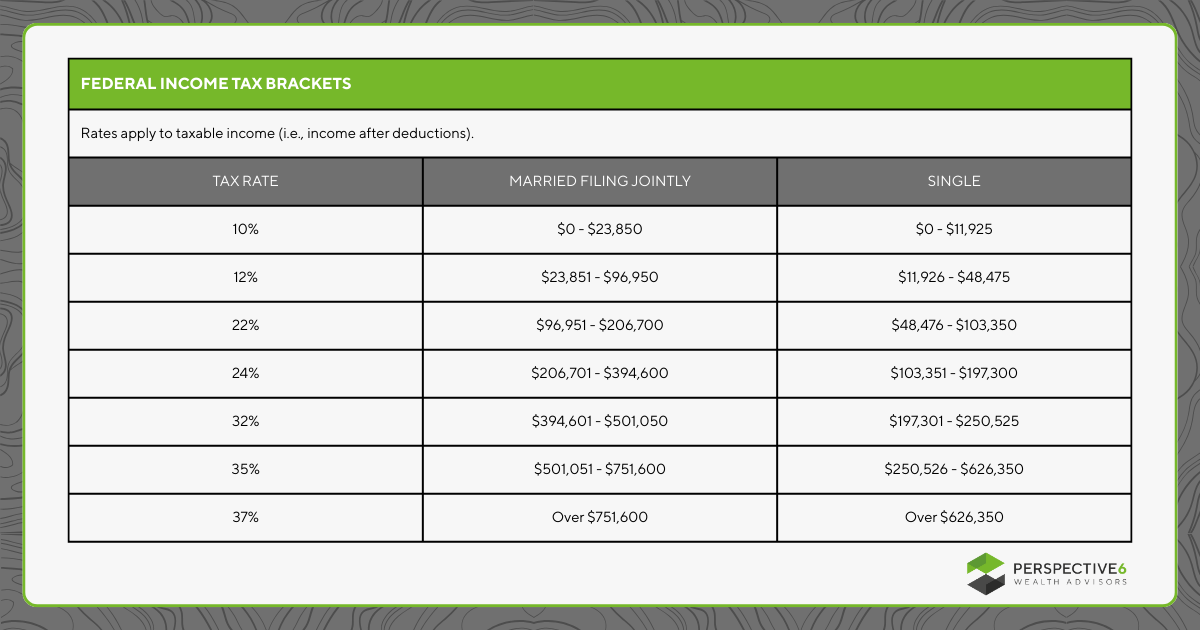
Nope. All distributions from tax-deferred accounts (there are some very limited exceptions, like qualified health-related expenses paid from Health Savings Accounts) are taxed as regular income. That means your marginal rates could be as high as 37%(!), and that’s just federal income tax. State income taxes could add to that anywhere up to 13.3% (in California).

And adding insult to injury, once your taxable earnings (including RMDs) are enough to count as “too much,” you’ll get hit with the so-called Medicare Income-Related Monthly Adjustment Amount (IRMAA) that increases your Medicare Part B and Part D premiums.

What Can You Do About RMDs?

Straight off the bat, let’s exclude dying before you reach RMD age or not having any retirement plan balances.

Some people swear by doing a so-called Roth conversion (or even a mega-Roth conversion), whereby they convert tax-deferred money in traditional IRAs or 401(k) plans to after-tax money in Roth versions of those accounts. 

The problem is that rather than avoid paying taxes, or at least reducing how much you get taxed, these conversions are taxed as distributions in the year(s) you take them.

And since you’re trying to minimize RMDs that won’t hit until age 73 or 75, paying extra taxes when you’re 60, or 65, or 70 hardly seems to me like a great solution. In fact, I modeled it for our case, and the projected results showed our net worth shrinking rather than growing for the first 20 or 25 years. It’s only once I’d be 90 or older that we’d break even.

So, no, Roth conversion isn’t in my game plan, though, as they say, your mileage may vary, and in your specific circumstances, it may make more sense.

So, I started looking for a better solution. Not a gimmick. Not some convoluted strategy that flips my whole financial plan upside down. Just something simple that could help reduce the size of my eventual RMDs without paying more taxes now.

You might think that would be a wild goose chase, but it turns out that since the so-called “Setting Every Community Up for Retirement Enhancement 2.0” or SECURE 2.0 Act of late 2022, there is actually a solution like that.

It’s called Qualified Longevity Annuity Contracts (QLACs).

An Annuity?! Really?!

I’m sure you’ve heard just as many annuity horror stories as I have. And there are certainly a lot of questionable, high-fee annuity products out there, ones that most benefit the agent who sells them to you and pockets a large commission, whether or not it’s the best solution for you.

But let’s not tar an entire industry with that broad brush. So, yes, an annuity, but a very specific type that you buy inside an IRA or 401(k) plan that allows it.

Here’s how it works.

  • You take a portion of your plan balance (up to $210,000 lifetime allowed, indexed for inflation, and you can do it all at once or break it up into several smaller annual amounts) and use it to buy a deferred income annuity.
  • The amount you invested in the annuity is immediately removed from your plan balance, which reduces your RMDs (e.g., if you invest $200k out of a $2 million total balance, your RMDs are reduced by 10% from the later of your RMD starting age or when you made the investment).
  • When you make the investment, you specify several things, including (a) at what age you want to start receiving annuity payments, which can be any age up to 85; (b) if you want it to be for your lifetime, your joint lifetime with your spouse; (c) if you want an inflation rider (if it’s offered); and (d) if you want your heirs to receive a lump sum equal to any amounts you paid in as premiums less the total amount of payments you received over your lifetime.
  • Once you start receiving annuity payments, those count toward your RMD even for the portion of your plan balance that isn’t in the annuity.
  • Since the insurer makes a good bit of money from investing your premiums for many years without any payouts, those payouts are far more generous than you’d be able to safely withdraw from a portfolio of the same size. Also, those payouts continue for the defined lifetime, even if they exceed by far the premiums you paid in.

What’s to Like About QLACs?

QLACs are not right for everyone. But if they’re right for you, you get multiple benefits:

  1. The reduced balance in your tax-deferred portfolio reduces your RMDs, and thus your taxes, until you start receiving annuity payments. This can also drop your income below the IRMAA limit, potentially saving you thousands of dollars a year in excess Medicare premiums, potentially until you’re 85.
  2. For the portion of your portfolio that’s invested in the annuity, you get a guaranteed-for-life payout that’s much higher than what you’d get from an immediate annuity (though it may not be more than you’d get if you invested those premiums for all those years and then bought an immediate annuity. However, you remove all market risk, and if you pick a strong insurer, the risk of not receiving the guaranteed payments is very low.
  3. Once you reach the QLAC’s payout age, your QLAC payments will count toward your RMD, so the non-annuity part of your portfolio isn’t depleted as quickly.
  4. If you plan to have some part-time side gig that brings in some cash after you no longer hold your full-time job or business, the QLAC payments can replace that income once you’re no longer able to or interested in continuing that side gig.

Stephen Mazer, Principal and Senior Wealth Advisor at Rational Wealth Solutions, thinks there’s a lot to like in QLACs now, but points out that timing is crucial. “We love the advantages the recent SECURE Act provides many people in a QLAC, but we find it’s a bit of a Goldilocks situation. Not too soon and not too late is our general rule of thumb for timing when to add a QLAC into a financial plan. 

Here’s why. If a client is just entering retirement, let’s say at age 65, they don’t yet know the patterns of their real retirement cash flows, and we don’t want to encumber their retirement savings until we do. Also, markets could provide a better return over such a long period, and that risk may be more tolerable once you have a shorter investment time horizon in the future. 

But if you wait too long, you’re too near the year of income starting, so you miss out on much of the benefit of RMD reduction or the annual income bumps during the waiting period the QLAC provides.

He then adds, “Another bonus of a QLAC is the certainty of lifetime payouts that can provide for long-term care (LTC) when it’s most needed. Many clients at this age aren’t insurable, so they can’t get approved for a new LTC policy. 

QLACs offer a neat alternative, no matter your health status. Sure, an investment account might grow more, but the deferred annuity guarantees an amount that most clients are happy to lock in with no further market risk to that portion, knowing it will be there if and when they need to pay for long-term care.

So, that’s it in a nutshell.

What Are the Drawbacks of QLACs?

There are three main drawbacks.

First, while QLACs are simple in concept, there are lots of complicated terms and provisions, so you need to make sure that (a) you work with a great financial advisor who can help you decide if a QLAC is right for your situation and goals, and then, if the answer is yes, (b) you work with a scrupulously honest agent who will explain clearly and honestly how those terms and provisions will impact your finances.

The second drawback is even more nuanced. QLAC payouts are guaranteed, and if you pick a plain vanilla one, the payments will be predetermined. The flip side of that coin is that, to make sure they make a profit after paying the agent commissions and your expected payouts, those guaranteed payments will be lower than the average you could expect to get by investing the money in other types of financial products. In short, you’re trading a likely better financial outcome to get a guarantee of (what you need to verify) is a good enough outcome.

The third drawback is that, like with any annuity, once you invest money in it, it becomes totally illiquid, i.e., you can never withdraw your premiums (the one caveat is that your heirs can get back some or all of the premiums you paid, assuming that you buy that rider and that you haven’t received more in payouts than your initial premiums). All you can take out of the annuity is the contracted payouts, and those don’t start potentially until you’re 85. This is why you should most likely not invest more than a reasonably small fraction of your portfolio value.

Is This Solution Right for You?

The answer is that I don’t know, but I think it’s worth asking a professional financial advisor about it and getting them to show you your projected results with a QLAC vs. without one.

You should also ask them to compare investing the full lifetime limit at once, or breaking it into three, four, or even more years. That latter option can reduce your risk that interest rates happen to be lower in the one year you get the QLAC (though it’s possible that the year you’d have made the full investment would have especially high interest rates, with lower rates in the subsequent years – as they say, you make your bet and you take what you get).

But QLACs aren’t necessarily just for those who want to minimize their RMDs. Mike Hunsberger, ChFC®, CFP®, CCFC, Owner of Next Mission Financial Planning, recommends QLACs to some clients even if RMDs aren’t their top concern. 

He says, “I suggest clients consider QLACs if they are concerned about longevity and potentially running out of money. Even though Social Security is adjusted for inflation, many pensions are not. As people age, even the inflation adjustment may not keep pace with their increasing spending needs. A QLAC could address this shortfall because, with payments starting later in life, they provide a relatively high payout.

Ryan McLin, CFP®, MBA, Founder & Financial Advisor at Impact Wealth Group, elaborates on what kind of client would be a great fit for investing in a QLAC, “A QLAC is ideal for high-net-worth clients in their 60s with large pre-tax IRAs, no immediate income need, and longevity in their family. It reduces future RMDs, defers taxes, and guarantees income later in life—fitting well into a tax-focused, long-term retirement income strategy. 

Here’s an example of one of our clients: in their early 60s with several million dollars in investment assets, still working and investing. About 90% of their retirement dollars are in pre-tax accounts, and they expect millions more to come in over the next few years—perhaps from a business sale, deferred compensation, or other liquidity events. Despite proactive Roth conversions up to the 32% tax bracket, there’s simply too much tax-deferred money to meaningfully reduce RMDs through conversions alone. 

Come age 75, their RMDs will be enormous—ballooning income, spiking tax brackets, and triggering Medicare IRMAA surcharges. This client has no need for IRA withdrawals in the near term, a family history of longevity (mid-90s+), a focus on tax-efficient income planning, and a willingness to sacrifice liquidity for guaranteed income in later years. 

For them, a QLAC is a tax-smart lever: it lets them defer RMDs on up to $420,000 ($210k each) until age 85, reducing forced income at age 75. This allows a longer timeline to continue to implement Roth conversions as well, instead of trying to ‘do it all’ before 75 years old. 

A good advisor will know the answers to these questions for their clients, but some important questions to answer include: Will you need RMDs for income in retirement, or are they more of a tax problem than a spending need? Are you comfortable giving up access to part of your IRA balance until age 85? If you were to pass away earlier than expected, would you be concerned about not fully receiving the value of the funds you contributed? Do you have a family history of living into your late 80s or 90s? Are you trying to decrease RMDs to avoid higher tax brackets or Medicare surcharges? 

For charitably inclined clients, we explain the benefit of Qualified Charitable Distributions (QCDs) after age 70.5, along with QLACs and Roth conversions.

But lest you think QLACs are always a slam-dunk proposition, Joseph Carbone, CFP®, Founder & Financial Planner of Focus Planning Group, has the opposite view. While he sees the benefits of QLACs, he doesn’t recommend them to his clients, “QLACs are a great way to reduce the tax effect of RMDs if you have substantial income, while also reducing the potential impact of IRMAA surcharges, because they allow you to defer the RMDs on the amount invested in QLAC until the income starts, typically between age 80 and 85. The maximum amount that can be put into a QLAC in 2025 is $210,000. Having said all of that, I don’t end up recommending these products to clients, mainly due to their illiquid nature.” 

The Bottom Line

While I’ve been successful enough to have a decent nest egg that should let us live comfortably for the decades that I hope we’ll live without having to work, that nest egg isn’t so large that I can ignore the eventual impact of excessive taxes once RMDs hit.

This means that I need some reasonably simple and effective solutions that could reduce our RMDs, and QLACs seem to fit that bill. 

To make sure, I plan to model how a QLAC would impact our taxes and Medicare premiums over a multi-decade retirement, considering all sources of income including the taxable portion of Social Security benefits,  and the eventual QLAC payouts and remaining RMDs; how that, in turn, will affect our projected net worth; and how all this will affect the eventual bequest we’ll be able to leave to our kids and our favorite charities.

I’m also planning to find a good financial advisor and ask him or her to poke as many holes as he or she can in my plan and then help me tweak it to close those holes.

And no, this won’t make our RMDs magically disappear, but it may help shrink them and delay a portion, making our taxes that much more manageable. If you’re in a similar spot—worried about RMDs forcing you to withdraw more money than you need, resulting in higher taxes you don’t want to pay, and income you’d rather spread out—then QLACs might be worth a look.

Disclaimer: This article is intended for informational purposes only, and should not be considered financial advice. You should consult a financial professional before making any major financial decisions.

Opher Ganel

About the Author

Opher Ganel, Ph.D.

My career has had many unpredictable twists and turns. A MSc in theoretical physics, PhD in experimental high-energy physics, postdoc in particle detector R&D, research position in experimental cosmic-ray physics (including a couple of visits to Antarctica), a brief stint at a small engineering services company supporting NASA, followed by starting my own small consulting practice supporting NASA projects and programs. Along the way, I started other micro businesses and helped my wife start and grow her own Marriage and Family Therapy practice. Now, I use all these experiences to also offer financial strategy services to help independent professionals achieve their personal and business finance goals. Connect with me on my own site: OpherGanel.com and/or follow my Medium publication: medium.com/financial-strategy/.


Learn More About Opher

If you think you know everything there is to know about money, wealth, and financial systems, you’re probably wrong.

These classic finance documentaries are a great starting point for anyone who wants to lift the curtain and take a closer look at international finance systems, how money works in the real world, and what you can do to protect yourself in a world where an awful lot is out of your control.

The Warning

The Warning was released in 2009, just a year after the now infamous — and largely unforeseen — 2008 financial crash that left many ordinary Americans reeling.

At the time, economists were aware of the issues being created by the actions of financial institutions — and specifically by a boom in sub-prime mortgages — but the potential impacts were constantly ignored or downplayed.

This documentary looks back at the events that led up to the crash, with an emphasis on the warning signs that more of us — and certainly more financial experts — should have been paying attention to.

The film focuses on the story of the American attorney and former public official Brooksley Born. She was responsible for highlighting the risks inherent in the virtually unregulated markets that eventually caused a financial meltdown, but her warnings went mostly unheeded by those who could have stepped in to avert it.

97% Owned

This 2012 UK-made documentary seeks to answer fundamental questions about money, governments, central banks and worldwide economies. 97% Owned addresses how debt-based financial systems work, and the often devastating impact for ordinary citizens when they’re mismanaged.

The film asks the questions that seem so obvious that many of us never really think about them.

  • Where does money come from?
  • Who creates it?
  • Who actually decides how it gets used?

While it’s made from a UK perspective, many would agree it’s a great overview of how money works around the world, and why there are so many problematic issues in our current financial systems.

The Corporation

You’ve likely already heard of this multi-award-winning documentary, released in 2003 and — many would say — more relevant than ever in today’s world. The film examines the nature of the modern business corporation and the huge role it plays in wealth creation, shaping society, and the choices individual citizens have in terms of how they live their everyday lives.

It’s been said that if a corporation was a person, it would be a psychopath: a saying often attributed to NYU professor, Alison Taylor. Professor Taylor argues that corporations — often focused solely on profit — exhibit behaviours that would undoubtedly be considered psychopathic in an individual. The Corporation dives into the sometimes shocking fine details of how these entities operate and why.

In Debt We Trust

The subtitle to this one sums it up: How money and credit control your life. In Debt We Trust builds on the themes of the The Corporation in that it unpacks how corporations really need consumers to be constantly making poor financial decisions in order to fully maximize profits.

In a world where getting credit is mind-blowingly easy, and paying off debt is back-breakingly hard, this documentary makes for hard but perhaps essential viewing. We are all culturally indoctrinated to worship at the altar of consumerism, and understanding the credit industry can be a key to making slightly better financial decisions.

Broke

Broke is both a fascinating look into the lives of the (temporarily) rich and famous, and a valuable lesson in what not to do when managing personal finances at any level. The film focuses on how elite athletes manage to blow their fortunes, often in a surprisingly short time frame, with 60 percent of NBA players ending up broke within five years of retirement, and 78% of NFL players managing it in two.

As IMBD puts it:

“Sucked into bad investments, stalked by freeloaders, saddled with medical problems, and naturally prone to showing off, most pro athletes get shocked by harsh economic realities after years of living the high life.”

While many of us don’t have quite the same problems as the average ex-pro athlete, there is some overlap, and a lot of lessons to be learned.

There are hundreds of documentaries on both personal finance and the big picture issues caused by our current finance systems. These are just a few that can give you an overview of some of the most important issues that we need to understand and navigate.

About the Author

Karen Banes is a freelance writer specializing in entrepreneurship, parenting and lifestyle. She writes articles, website content, ebooks and the occasional award winning short story. Her work has appeared in a range of publications both online and off, including The Washington Post, Life Info Magazine, Transitions Abroad, Brave New Traveler, Natural Parenting Group, and Copia Magazine. Learn More About Karen

The small decisions you make in your 20s can impact your personal finances throughout your life. It all starts with taking control, which is hard, but really important.

Those who aren’t able to keep track of their finances often feel out of control, regardless of whether they’re a six-figure earner or a student on a part-time minimum wage job. Taking control — through small, regular actions — is what enables you to slowly improve your finances, no matter where you are right now.

In your 20s, you’re just getting started, and unless you have a lot of generational wealth, you’re likely to be struggling a little. Here are the small things you can make to put you on the right track.

Check Your Balances Regularly

Knowing what you have, what you owe, and where everything is, can be a significant first step to feeling in control. Balances you want to know (at least roughly) at any given moment include:

  • Your checking account
  • Your savings accounts
  • Your student loan debt
  • Your credit card debt
  • Any other debt (like a car loan, overdraft, consumer credit arrangement or personal loan)

Watching these balances going slowly in the right direction — even by a few dollars at a time — can have a big impact on your self-esteem and your confidence in your own ability to keep taking steps in the right direction.

Monitor Your Net Worth

If you keep an eye on all of the above, you’ll have a rough idea of what your net worth is. It’s literally just the value of your assets minus your liabilities. In your 20s that’s often simply the money you have minus the debt you carry, and it’s not unusual for it to be a minus number. However, many people find it useful to actually do the math and keep a running total of their net worth, updated monthly.

It’s another figure that can make you feel like you’re making progress, even if it’s just from one minus number to another (slightly lower) minus number. Eventually you’ll go from a negative net worth to a positive net worth. Celebrate it, and try to stay there.

Keep Personal Finance Top-of-Mind

Your 20s is a great time to educate yourself on personal finance, and that doesn’t have to be as boring as it sounds. Find some well-respected financial influencers, bloggers or podcasters who resonate with you and who create content you find fun and easy to consume. Then follow them online, via your favourite platforms.

Make sure whoever you follow is relevant to you, your current financial position, and your goals, whether that’s Dave Ramsey or someone like The Broke Black Girl. In other words, don’t rely on advice from people who have never been in your position.

Use What You Learn

Once you’re following your favourite “finfluencers”, take some steps to act on their advice, but carefully. Get ideas from them, but then make sure you do your own research, and take further advice, before making any big changes or investments for example.

Don’t just read post after post, watch video after video, or listen to podcast after podcast, without taking action. You’re not just following these people for entertainment. Use some of what they teach you to improve your current condition.

Think Before You Spend

This is a simple one, but not as easy as it sounds. Tracking your balance and your net worth, as already suggested, can really help.

When you’re actively trying to get to that positive net worth, or hit the next milestone in your savings account, it can really motivate you to pass on that extravagant impulse buy, or that crazy night out you won’t really enjoy.

Always Compare

You may have heard comparison is the thief of joy, and it often is. The exception in when you’re making a big purchase, or even a smaller one. Always compare prices before buying.

Use online comparison sites whenever you can, and certainly for things where there can be a big difference in cost for similar features. (Think things like insurance, credit cards, and vacations).

And those impulse buys you avoided? If you get home and still feel like you need what you nearly bought, search for a cheaper version online. Whether it’s a pair of designer shoes or a new fishing rod, there’s almost certainly a better bargain to be found somewhere online.

Learn to Value Your Financial Decisions

Someone recently told me she was more proud of driving an old, mid-range car that was fully paid off, than she would be of buying a brand new, top-of-the-range vehicle with a $800 payment. She followed up with, “But it’s not a pride you can really revel in online, is it? It’s not a very aesthetically pleasing kind of pride.”

She was joking, but I know exactly what she meant. Your social feeds may be full of friends and acquaintances showing off their brand new cars, or homes, or exotic vacations. We all understand what is meant now by an “aesthetically pleasing” life. Which is why it’s so vital to learn to have pride in the good financial decisions you make that don’t translate to that.

Whether it’s the fully paid off vehicle, the paid-in-full-every-month credit card, or the still-low-but-steadily-increasing credit score, take pride in what matters to you. Don’t worry about whether you can post a pleasing visual representation of it online.

Small actions, taken regularly, add up. Start where you are and work with what you’ve got. And celebrate — internally at least — every step in the right direction.

About the Author

Karen Banes is a freelance writer specializing in entrepreneurship, parenting and lifestyle. She writes articles, website content, ebooks and the occasional award winning short story. Her work has appeared in a range of publications both online and off, including The Washington Post, Life Info Magazine, Transitions Abroad, Brave New Traveler, Natural Parenting Group, and Copia Magazine. Learn More About Karen

A man wearing a dark suit, light blue shirt, and patterned tie smiles at the camera against a plain dark background.
Greg Swenson, Senior Analyst and co-Portfolio Manager, Leuthold Group | Image Credit: Institute for Innovation Development

 [Investment management can be said to share an operating environment that the U.S. military has characterized as VUCA – volatility, uncertainty, complexity, ambiguity – which acknowledges the difficulties in analyzing, responding to, planning for situations, and making hard decisions. There are no simple, straight-forward answers. Many dimensions of risk and opportunity have to be calibrated into a strategic decision or specific course of action.

With all the confusion and disruptions in the markets today, it may be a good time to take a harder look at tactical investing methodologies which were designed to grapple with this specific challenge head-on. We decided to re-visit the Leuthold Group – a Minneapolis-based market research and early pioneering tactical money management firm that offers a family of mutual funds, SMAs, and ETFs.

In our previous interview with the Leuthold Group – “How Do You Read and Diagnose the Health of the Market” – we focused our discussion on their macro research analysis process and the creation of their Major Trend Index which provides a disciplined tool to gauge the overall health of the market and determine the appropriate equity exposure for their investment portfolios.

In our current article, we dive deeper into the next steps of their tactical quantitative approach of deciding where to deploy investment capital through their Leuthold industry group rotation strategy that focuses on targeting specific industry groups rather than sectors.

We reached out to Greg Swenson, Senior Analyst and co-Portfolio Manager of a number of funds, including the Leuthold Select Industries (NYSE: LST), the Leuthold Core ETF (NYSE: LCR), and Leuthold Grizzly Short Fund (GRZZX), to ask him to share the firm’s tactical investment methodology and perspectives on asset allocation and rotation strategies in volatile, uncertain, complex, and ambiguous equity markets.]

Hortz: Why does your tactical investment selection process and asset allocation rotation decisions focus on industry groups versus a more traditional investment sectors approach?

Swenson: Whether it is a tactical sector rotation portfolio or a fundamental bottom-up stock selection portfolio, more attention has traditionally been paid to broad sectors than industry groups. We know sectors matter, but there is a wealth of information to extract by going deeper, focusing on the industries that make up those sectors. While there are 11 broad sectors, there are currently 163 sub-industries – the most granular level of the Global Industry Classification Standard (GICS) structure. There are tremendous differences among sub-industries within the same sector, whether we are looking at them from a fundamental, macro, or volatility perspective.

Sectors have also become increasingly tied to a handful of mega-cap stocks. Due to the rise of the Mag-7, there are several sectors where two or three stocks account for more than 50% of the market cap. In certain instances, allocating to specific sectors has basically turned into making a call on a few individual stocks. This has caused correlations between sub-industries and their sectors to fall to levels not seen since the Tech Bubble (chart below), presenting a tremendous opportunity for industry selection within sectors.

A line graph shows the aggregate correlation between GICS sectors and their sub-industries from about 1996 to 2024, with values ranging from roughly 55% to 80%. The trend fluctuates over time, peaking around 2010.

Hortz: Can you give us a brief example of a sector versus an industry comparison to further illustrate your points?

Swenson: Take a sector like Industrials where there are 24 individual sub-industries with a wide range of fundamentals and characteristics. There are pro-cyclical industries that have betas over 1.5 like Airlines or Construction Machinery, but also more defensive industries with betas closer to 0.5 like Environmental Services (Trash) or Research & Consulting Services. Just last year (2024) there was a 63% performance gap between the best performing Industrial (Airlines) and the worst performing (Air Freight & Logistics).

Being able to analyze and target the wider opportunity set that sub-industries offer allows for more diversification from a style and market exposure standpoint. We recently released a research piece that goes into more detail on how the different levels of GICS groupings differ from one another.

Hortz: What processes and tools have you developed to guide you in selecting industry investments through all the disruptions and noise in the markets? How do they consider all the market, economic variables, and factors into your decision-making process?

Swenson: We use a quantitative framework called the Group Selection Scores (GS Scores) to help us with targeted industry selection. That framework has been in place at The Leuthold Group for just over 30 years now – a lengthy history for live model performance. We evaluate roughly 120 industry groups (a hybrid of levels 3 and 4 of the S&P GICS structure) made up of the largest 3,000 stocks that trade on U.S. exchanges (including some ADR’s).

While some sector rotation strategies choose to focus on either price action or macro data, we incorporate both, along with valuations and fundamental metrics, to get a well-rounded profile of every industry in our universe.

The GS Scores have generated positive performance over both the long term and, more recently, successfully navigating a variety of market conditions in the process, as the chart below shows. The main drivers of outperformance from the GS Scores are 1) a high hit rate or batting average – getting more groups right than wrong, 2) industry avoidance – the ability to completely avoid parts of the market that are underperforming, 3) identifying long secular winners.

Bar chart showing annualized performance scores (May 1995–June 2025) for three groups: Attractive, Universe, and Unattractive, over Inception, 3, 5, and 10 years. Attractive groups consistently outperform the others.
GS scores, as of 6/30/2025, Leuthold Group

Hortz: What is an example of an industry the scores pointed to that ended up being a big winner?

Swenson: We owned the Semiconductor Equipment industry for over 8 years, from mid-2016 to late 2024, during which the group generated annualized returns of 28% versus 9% for the average industry group and 15% for the S&P 500 over the same period. The group worked out so well because we held it during its evolution from a highly cyclical, boom-bust industry to the more stable, persistent growth and profitable industry that is today. While these companies were always key suppliers to chip companies, they are now viewed as an essential part of the global supply chain.

The GS Scores were invaluable in not only identifying the industry early on but also helping us hold it through volatility during which we otherwise would have sold it. Ultimately that is one of the key features of the process – giving us conviction to make portfolio decisions that are uncomfortable and that we probably would not do if left to our own judgment.

Hortz: On another area of your investment methodology, what role does equity hedging play?

Swenson: We have a fully invested, 100% short approach called the Grizzly strategy. That strategy is offered as a stand-alone mutual fund and is also the method we use to hedge within our own tactical accounts when we want to lower equity exposure. Keeping the strategy fully invested is a key feature because investors know how much exposure they are taking off when they invest. It is also a more tax efficient way to bring exposure down versus selling long holdings and realizing capital gains.

While we use a quantitative approach here as well, unlike on the long side where we are looking for broad themes, our shorts are much more stock specific – looking for securities that are overvalued and, for any number of reasons, will likely be rerated lower at some point in the near future. 

A short only product can be challenging to manage during extended bull markets like we are currently in, but when sentiment shifts, it is an invaluable option to have in our toolkit – both for us and our clients.

Hortz: How does Leuthold work with institutional investors and financial advisors?

Swenson: We offer all of our strategies via separately managed accounts and publicly available vehicles, including mutual funds and ETFs. In January, the Select Industries mutual fund transitioned to an active ETF which we are very excited about. The ETF wrapper is particularly suitable for an active equity approach like this as it improves on fees, transparency, and is much more tax efficient.

We also produce market research for other institutional money managers that focuses on macroeconomic, top-down market, sector, and industry views. Our asset management clients find this research particularly helpful in adding color to conversations with their own clients as well.

As a boutique money manager, we pride ourselves on our accessibility and transparency with our investors – we truly view the relationship as a partnership.

This article was originally published here and is republished on Wealthtender with permission.

About the Author

A middle-aged man, Bill Hortz, with short dark hair wearing a dark pinstripe suit, white dress shirt, and a maroon tie, posing against a plain gray backdrop. He has a slight smile and is looking directly at the camera.

Bill Hortz

Founder Institute for Innovation Development

Bill Hortz is an independent business consultant and Founder/Dean of the Institute for Innovation Development- a financial services business innovation platform and network. With over 30 years of experience in the financial services industry including expertise in sales/marketing/branding of asset management firms, as well as, creatively restructuring and developing internal/external sales and strategic account departments for 5 major financial firms, including OppenheimerFunds, Neuberger&Berman and Templeton Funds Distributors. His wide ranging experiences have led Bill to a strong belief, passion and advocation for strategic thinking, innovation creation and strategic account management as the nexus of business skills needed to address a business environment challenged by an accelerating rate of change.

Merging lives also means merging money—and that’s where things can get tricky. If you and your spouse are navigating the financial complexities of a blended family, you’re likely juggling everything from separate 529 plans to different retirement goals. But there’s one often-overlooked relationship that can make a big difference in your financial clarity: your CPA. 

Your CPA can be a valuable advisor, offering insights and guidance on tax matters essential to your financial well-being.

Open communication is key to making the most of this relationship. Whether you’re exploring tax strategies, understanding the tax implications of investment opportunities, planning for retirement, or making business decisions, your CPA can work closely with your financial advisor to help you make well-informed financial choices.

Here are some important questions to consider discussing with your CPA before the end of the year.

1. What are the pros and cons of filing separately vs. jointly?

Filing jointly often results in tax savings, but it’s not always the best option, especially for blended families. If you and your spouse manage finances separately due to different financial obligations, such as child support or alimony, filing separately may better align with your situation.

A qualified CPA can help you assess both approaches based on your income, liabilities, and family dynamics. Their guidance ensures you choose the filing method that supports your overall financial strategy and complies with any legal or financial mandates specific to your family.

2. What tax deductions, credits, or dependent claims should we consider?

Every year, your eligibility for tax deductions and credits can shift based on your income, family structure, and changes in tax laws. For blended families, the landscape is even more complex, especially when managing shared custody, multiple dependents, or varying income sources between spouses. Common considerations include child tax credits, education deductions, healthcare premiums, and support payments.

Your CPA plays a critical role in identifying applicable deductions and credits, factoring in investments, income streams, and significant life events. They can help you spot tax-saving opportunities you might otherwise overlook, especially in your first year as a newly blended household.

Claiming dependents is another key area that requires thoughtful planning, particularly if children from previous relationships are involved. Sometimes legal agreements dictate who claims which child, and in other cases, strategic decisions can optimize your tax benefits. The IRS has specific rules for claiming children of divorced or separated parents, which your CPA can help navigate.

Additionally, certain credits, like education credits, come with income limits and dependency requirements that can affect your eligibility. Collaborate with your CPA well before tax season to map out a claiming strategy. This may involve coordinating with an ex-spouse to ensure compliance and maximize benefits. By planning ahead, you’ll avoid last-minute surprises and position your family for the best possible tax outcome.

3. How do changes in tax laws, my finances, or my family affect my estate plan? 

Keeping your CPA informed about your estate plan ensures it stays aligned with both your family’s evolving circumstances and the latest tax laws. Estate planning is closely tied to your financial situation, which can shift with life events such as marriage, divorce, the birth of children, or changes in income, assets, or business ownership. For blended families in particular, it’s important to revisit how you and your spouse intend to divide your estates. Will you split assets evenly, or structure inheritances differently based on individual wishes or existing children?

At the same time, tax laws governing estates, inheritances, and wealth transfers can change significantly over time. Your CPA can help you stay ahead of these shifts by identifying how updates in the tax code may impact your plan, and by providing strategies to minimize tax liabilities while preserving your legacy.

With their guidance, you can ensure your estate plan remains tax-efficient, legally sound, and reflective of your family’s shared vision for the future.

4. How should we title and report our businesses and investments?

If you or your spouse owns a business, rental properties, or significant investments, it’s essential to carefully consider how those assets are titled and reported. Much of this decision depends on how fully you’re merging your finances, but consulting a CPA before making any changes is key to avoiding unintended tax consequences or legal complications.

You’ll also want to consider whether any assets are earmarked for specific heirs. If so, titling them appropriately can help ensure a smooth and intentional transfer when the time comes. This is an area where collaboration between your CPA, financial advisor, and attorney can be invaluable—each brings a critical perspective to help align your ownership structure with your financial and estate planning goals.

Another important discussion is whether to keep certain assets separate or merge some or all of them as part of your shared financial life. A CPA can provide guidance on ownership structuring, help you track your basis in each asset, and assist in preparing for efficient gifting or inheritance strategies. Having a clear plan in place not only simplifies tax reporting but also helps preserve family harmony and ensures your assets are managed in line with your shared vision for the future.

5. Are there any changes to health insurance premiums or deductions that could affect my tax situation?

Keeping up with changes to health insurance premiums and deductions can be challenging, especially considering their impact on your tax liabilities and financial planning. Your CPA stays informed on healthcare laws and regulations, including how they relate to changes to premiums and deductions, so they can help you understand any potential tax implications.

Being aware of changes to healthcare policies helps you plan effectively. For instance, updates in healthcare laws or changes in your coverage status can influence the deductibility of your health insurance premiums. Your CPA can provide guidance on eligible deductions based on your circumstances, such as employment status, types of coverage, and medical expenses.

Additionally, they can recommend strategies to optimize your deductions, such as using Health Savings Accounts (HSAs) or Flexible Spending Accounts (FSAs), to ensure you make the most of available tax benefits.

6. How can I maximize tax deductions for my business or self-employment income? 

Maximizing deductions and optimizing your self-employment income for tax benefits can be complex, but your CPA has the expertise in tax laws and regulations specific to businesses to help you identify deductible expenses you might overlook and advise on effective strategies.

Understanding the nuances of deductible expenses, depreciation, and business credits can significantly impact your tax liability. Your CPA can guide you on structuring transactions and managing finances to maximize tax deductions effectively. They can also assist with navigating complex areas like home office deductions, retirement contributions, and health insurance premiums.

Effective financial management and compliance with tax laws are crucial for your business’s success and sustainability. Building a strong relationship with your CPA ensures you have a trusted advisor to turn to with questions, helping you make informed decisions and optimize your financial strategy.

Partnering with Your CPA

Engaging with your CPA and staying informed about key financial questions is essential for sound financial planning. This becomes increasingly important as you bring two households together, combining some aspects of your finances while deciding whether other components should remain separate. As your family’s status changes, your opportunities for potential tax savings can change as well.

This article was originally published here and is republished on Wealthtender with permission.

About the Author

Headshot of Brian K. Peterson, CFP®, CPWA®, MBA
Brian K. Peterson, CFP®, CPWA®, MBA Planning Built For Blended Family Life

Brian K. Peterson, CFP®, CPWA®, MBA | Blended Family Financial

I confess.

Until a couple of years ago, I was a crypto skeptic. No, that’s not strong enough.

I didn’t think Bitcoin was all smoke and mirrors. I was sure of it!

Then I started reading what a semi-retired investment banker had to say about it. Dave Coker said he’s been buying Bitcoin every week for years.

Say what?!

An investment banker, who’s been around the financial block far more than I’ll ever be, who has enough invested in conservative dividend stocks to cover his expenses five times over, that guy thinks Bitcoin is a good investment?

That started me thinking more seriously, maybe I should do some of the same?

Putting My Toes in the (Crypto) Water

At that point, I had no idea how one even buys crypto. 

I was clueless about self-custody of crypto coins (“Not your wallet, not your coins…”). 

Hot wallets, cold wallets, software wallets, hardware wallets, multi-sig wallets — that was all just word salad to me.

So, I took the simplest, easiest, and possibly safest (given my ignorance) way in. I bought a bit of Bitcoin through PayPal’s convenient crypto account (not an endorsement — do your own due diligence). 

Then I bought some more. 

Then I bought some of “alt coins” they offered. And I started reading to educate myself enough to stop figuratively walking around with a large “Scam me!” sign on my forehead.

That was December 2023. 

Fast forward a few months, and those alt coins went down enough to shake me loose, but Bitcoin appreciated by almost 50%.

Great News, But with a Cloudy Lining

With an investment going up 50% in four months, you’d think I’d be thrilled.

I was, but it also got me thinking – what happens when I decide to take profits? A hefty tax bill, that’s what.

I’m one of the rare breed who actually think paying income taxes is good. That’s what funds those things we often take for granted – great highways, national defense, mostly safe food, mostly safe drinking water, mostly breathable air, etc.

It’s just that if my investment kept going up anywhere near that rate (yeah, right!), in just five years, a $10k investment would be worth over $4.3 million!!!

And even at long-term capital gains tax rates, the tax bill when selling it would be over $860k!

All that, with just $10k invested.

But what if I invested even more? I don’t know about you, but owing millions in taxes isn’t my idea of fun.

How to (Legally) Avoid Paying Taxes on Billions in Gains

Around that time, I read about Peter Thiel’s $5 billion Roth IRA (yeah, billion with a “b”!).

The TL;DR of it is that he invested about $2k of his Roth money in startup companies, and when they exploded in value, his shares ended up worth about 250 times as much as it takes to make it to the top 1% in net worth for Americans.

Even ignoring all his other assets, that would have put him solidly in the middle of the Forbes 400 list of wealthiest Americans!

If you know anything about Roth accounts, you know that Thiel would owe exactly $0 in taxes on that $5 billion investment, despite 99.99996% of it being pure gains.

Pulling My Own (Small-Time) Thiel Maneuver (Hopefully!)

At the time, I had about 2.5% of my invested net worth in a Roth IRA. 

Also around that time, the SEC approved a dozen or so new spot Bitcoin Exchange Traded Funds (ETFs).

Hmmm…

What if I invested 100% of that in a Bitcoin ETF? I mused.

If Michael Saylor is to be believed, Bitcoin could go to $13 million per coin by 2045. But even if it never hits that exorbitantly lofty price and goes to “just” $1 million, my Roth IRA would be worth over 15 times its starting value.

That would increase it from 2.5% of my invested net worth to nearly 40%, while increasing said net worth by almost 40%. And best of all, like Thiel’s $5 billion Roth, none of my Roth’s 15x increase would be taxable – sweet!

And for the mathematically curious among you, if Bitcoin ever hits $13 million, my net worth would increase sixfold (assuming none of my other investments ever made a dime). And since none of it would be taxable, the after-tax impact would be closer to 10x!

But What If Bitcoin Goes to Zero?

Before we go all starry-eyed, we have to acknowledge that this is a risky bet.

Here’s a non-exhaustive list of risks, in no particular order:

  • Saylor’s company owns nearly $72 billion worth of Bitcoin, so if, for whatever reason, they’re forced to liquidate, Bitcoin would crash.
  • Since Bitcoin is considered by many to be “digital gold,” what happens if that narrative is ever abandoned, either because some other cryptocurrency becomes the new darling investment of the day or because Bitcoin loses grace for any other reason?
  • If quantum computing development happens faster than Bitcoin encryption can be made “quantum-decryption-proof,” Bitcoin could become worthless.

So, keeping these and other risks in mind, and remembering that Bitcoin has gone through some incredible crashes (99% loss in a single day in 2011, 83% in 2013, 84% in 2017-18, plus several crashes of over 50%), I had to consider the downside.

My worst-case scenario was that Bitcoin literally goes to zero. 

In that case, my investment portfolio would lose 2.5% of its value. Not fun, for sure, but what does it mean in practice? 

I expect that we can live on under 4% of our portfolio value per year in retirement. If the portfolio loses 2.5%, that’s not even a bad year in the stock market. And even if we put such a 2.5% loss on top of other potential investment losses, we could either draw 4.1% instead of 4% in retirement, or reduce our retirement budget by (a very survivable) 2.5%.

An Asymmetric Bet I Was Happy to Make

Considering that the (implausible) worst-case scenario is easily survivable, and that even a semi-plausible best-case scenario adds 40% to our net worth, I decided that putting 100% of my Roth money into Bitcoin (via a spot ETF) was a no-brainer bet.

Should You Do the Same?

Here are several reasons for you to avoid doing what I did:

  • If when, not if, Bitcoin crashes again, you’ll panic-sell because you can’t sleep at night, don’t do it.
  • If losing a few percent of net worth would move you from barely able to afford retiring to just not able to afford it, don’t do it.
  • If your portfolio is already extremely risky and you don’t want to make it even more so, don’t do it.

But if none of the above is true for you, I’d suggest you seriously consider it. 

It’s not for nothing that BlackRock, the largest asset manager in the world, recently started suggesting that its clients put 2-3% of their investment portfolio into Bitcoin.

Tim Dyer, Owner, Dyer Wealth Management, sees this as a valid option, for some, “Investing Roth IRA funds in cryptocurrencies may or may not be a good idea. Clients want to take advantage of tax-free growth within the account. However, they don’t want to ‘squander’ that opportunity by investing in something that might lose a significant fraction of its value. 

One metric we use with clients to assess suitability is if they qualify for the ‘mega’ back-door Roth opportunity through their employer-sponsored plan. This often lets them plow up to $60k into their tax-free Roth account per year. In such instances, using a small portion of those funds to speculate longer-term with cryptocurrencies, like Bitcoin, may be warranted. If clients simply contribute up to the $7k annual limit ($8k if over age 50), the juice may not be worth the squeeze, so to speak.

In fairness, there are many out there who see a 2-3% allocation as woefully short of what they think is called for. 

Given the current fiscal realities, with our national debt already over 20% higher than our Gross Domestic Product (GDP) and increasing by the minute, like the dollar, Euro, Yuan, etc. facing large inflationary pressures due to massive money printing, etc., these people think that even a 40% allocation (!) is too little.

Shane Galante, Co-Founder of CSG Financial, thinks even such a large allocation can sometimes be reasonable for certain people, “Younger clients, say under the age of 40, can have 5-25% of their assets allocated to Bitcoin in their Roth IRA. 

One of the questions I ask to see if this could be a good fit is, ‘Are you okay knowing you could lose 50% of this money at any given moment?’ Bitcoin is an extremely volatile asset and is known for major price swings, up or down. If a client can’t stomach these moves, they may be better off investing in something else. 

People need to understand that while Bitcoin and other cryptocurrencies are becoming more mainstream, they are relatively new markets. Bitcoin, the first cryptocurrency, was created in 2009, 16 years ago. The stock market, by comparison, has been around since the 1800s.

Well, color me (just a tad) conservative, but I hesitate to make such a huge bet on Bitcoin, especially when even a few-percent allocation could make us multi-millionaires.

The Bottom Line

Crypto is far from a sure bet.

And if you want to invest in it other than through an ETF, you need to learn a lot to do so safely.

But if you agree with me that the investment case is highly asymmetric, with a survivable worst-case downside vs. an incredible upside potential, you may want to consider investing in Bitcoin. And if you do, you may want to consider investing through a Roth account so your (potentially huge) gains would be tax-free!

Because sometimes, while playing it safe ensures you don’t lose big, you’ll probably still lose compared to those who take carefully calculated risks.

Disclaimer: This article is intended for informational purposes only, and should not be considered financial advice. You should consult a financial professional before making any major financial decisions.

Opher Ganel

About the Author

Opher Ganel, Ph.D.

My career has had many unpredictable twists and turns. A MSc in theoretical physics, PhD in experimental high-energy physics, postdoc in particle detector R&D, research position in experimental cosmic-ray physics (including a couple of visits to Antarctica), a brief stint at a small engineering services company supporting NASA, followed by starting my own small consulting practice supporting NASA projects and programs. Along the way, I started other micro businesses and helped my wife start and grow her own Marriage and Family Therapy practice. Now, I use all these experiences to also offer financial strategy services to help independent professionals achieve their personal and business finance goals. Connect with me on my own site: OpherGanel.com and/or follow my Medium publication: medium.com/financial-strategy/.


Learn More About Opher