Find financial advisors in Reno, Nevada ready to help with your financial planning needs so you can enjoy life more with less money stress.

Whether you have lived in Reno for years or recently moved to town, you may need help finding the right financial advisor in the community best suited for your individual needs.

It’s important to first consider your own financial planning priorities before choosing an advisor. Here are a few quick tips to help you get started along with financial advisors in Reno featured on Wealthtender you may want to add to your shortlist.

As you prepare to interview financial advisors in Reno who may be right for you, get to know local financial advisors featured on Wealthtender.

📍 Map: Financial Advisors with their Primary Office Location in Reno

Double-click (or pinch the map on mobile devices) to zoom in and expand the details for financial advisors whose primary office location is in Reno.

📍Double-click or pinch pins to view more.

Showing

The Benefits of Hiring a Financial Advisor in Reno

Hiring a financial advisor can be a great move to help you build a long-term investing strategy. Advisors can help you build an investment portfolio to meet your financial goals and help you plan appropriately for retirement.

As a resident living in Reno, hiring a financial advisor who lives nearby and understands the local economy, cost of living, and regional employers can be quite valuable, especially if your individual circumstances are deeply tied to such factors.

Who are the largest employers in Reno?

Research from the State of Nevada Department of Employment, Training & Rehabilitation found the largest employers in the Reno area include:

  • Renown Health
  • Peppermill Inc.
  • Grand Sierra Resort & Casino
  • St. Mary’s Regional Medical Center
  • Eldorado Resort Casino
  • Silver Legacy
  • University of Nevada, Reno
  • U-Haul Holding Co.
  • Circus Circus Reno Hotel-Casino
  • Reno VA Medical Center

Do you work for one of the largest employers in Reno? If so, there’s a good chance the local financial advisor you hire will also have other clients who work there. This knowledge could prove valuable if they are already familiar with your employee benefits, such as a 401(k) plan, Health Savings Accounts, and other components of your total compensation package.

When you reach out to financial advisors you’re considering hiring, let them know where you work and ask if they are familiar with your employer’s unique benefits and compensation structure.

Quick Tips For Hiring a Reno Financial Advisor

Before hiring a financial advisor in Reno, here are a few quick tips to help you find the best advisor for you.

1. Decide Which Services You Need

Before hiring an advisor, determine what services you need from them. Whether it’s full-service investment management or a plan focused on a specific area of your finances, put together a list of what you’d like help with before contacting an advisor.

Though most people use a financial planner simply to invest for retirement, this is only a small part of what many advisors offer. Here’s a quick rundown of potential services a financial advisor may offer you:

  • Budgeting and money management
  • Debt management
  • Insurance planning
  • Retirement planning
  • Other investment planning
  • Inheritance planning
  • Estate planning
  • Tax planning

As you can see, financial advisors can help you with your entire financial picture, not just investing. As you start to plan for life’s bigger milestones, you should consider finding a financial advisor that specializes in those areas.

Finding the right advisor can help you minimize risk, maximize gains and take advantage of tax breaks while investing for your future. They can also help you protect your assets with the right kinds of insurance and help you pass on your financial legacy with a proper estate plan.

2. Consider Your Budget and Payment Preferences

Once you have a list of services you would like, review the fee structures financial advisors offer. Finding a balance between the services you need and the cost of those services will help narrow down the field of advisors you may want to work with.

If you are looking for a full-service advisor to manage all of your investments, consider searching among fee-based financial advisors. If you want to manage your money yourself, consider the flat fee and monthly subscription advisors for ongoing support.

3. Interview Multiple Financial Advisors

Once you have chosen the services and fee structure you prefer, it’s time to contact a few advisors and interview them. Here are questions to ask financial advisors:

  • What services do you provide?
  • What are all the ways you get paid? (fee transparency)
  • What is your investment strategy?
  • How do you measure investment performance?
  • How do we communicate about my plan?

Interview multiple advisors to get a feel for who you want to work with. A combination of fees, services, and customer service will help you determine the best fit for your financial advice.

4. Review Financial Advisor Credentials

Once you find an advisor (or two) you feel comfortable with, it’s always a good practice to check their credentials and the firm’s details. You can do this at the Investment Adviser Public Disclosure (IAPD) website

You can check both the individual and the firm to view their background and experience details, as well as any disciplinary action taken against them or their firm.

As licensed financial professionals, there is oversight into how financial advisors conduct business, so running a quick (free) check on them is recommended.

For additional information about advisor credentials, read our article to learn the most popular designations held by financial advisors, as well as specialized credentials which may be important to consider if you have unique financial planning needs.

Frequently Asked Questions & Additional Resources

How do I know if I’m ready to hire a financial advisor?

You should strongly consider hiring a financial advisor if you have a significant amount of money available for saving or investing. This could occur after years of making annual contributions to a retirement plan like a 401(k) through your employer or suddenly if you receive a large inheritance or sell your house for a large profit.

But even if you don’t have a lot of money saved, many financial advisors and planners provide reasonable pricing options and valuable services you should consider, especially if you’re facing a significant life event. For example, if you’re starting a new job, getting married, starting a family, getting divorced, lost your job, starting or selling a business, or approaching retirement age, working with a trusted financial advisor or planner may prove worthwhile.

Before I hire a new financial advisor, should I fire my current advisor?

You don’t need to fire your current advisor before beginning your search for a new financial advisor. In fact, your new advisor can help coordinate the transition of your assets from your previous financial advisor.

Where can I read reviews about financial advisors written by their clients to help me decide if I should hire them?

After 60 years of regulatory prohibition of financial advisor reviews in the US, a rule issued by the Securities and Exchange Commission (SEC) became effective on May 4, 2021 that means both financial advisors and directory websites that help consumers search for a financial advisor can collect and display financial advisor reviews, an important factor worth considering when choosing who you’ll hire to manage your investments and life savings. 

Wealthtender is the first independent advisor review platform designed to be fully compliant with the new SEC rule, and we look forward to helping you evaluate financial advisors based on reviews written by their clients.

I’m a local financial advisor interested in being featured in this guide. How do I get started?

Thanks for your interest. We look forward to learning more about your practice and helping you attract your ideal clients where you may be a good fit based on their individual needs and circumstances. Please click here to learn how you can join local financial advisors featured on Wealthtender.

How Much Does a Financial Advisor Cost?

➡️ How Much Does a Financial Advisor Cost? Read the Article

About the Author
A headshot of Brian Thorp, the founder and CEO of Wealthtender

About the Author

Brian Thorp

Brian is CEO and founder of Wealthtender and Editor-in-Chief. He and his wife live in Austin, Texas. With over 25 years in the financial services industry, Brian is applying his experience and passion at Wealthtender to help more people enjoy life with less money stress. Learn More about Brian

Ask an Advisor: Should You Invest Differently in Retirement Than While Saving?

A smiling man in a blue blazer and white shirt stands indoors with a modern, brightly lit office corridor blurred in the background.
Image Credit: Wealthtender.

Here’s Why the Math Changes: Investing Before vs. In Retirement

There’s a significant difference between the math of a retirement portfolio and that of a saver’s portfolio.

The main cause of this difference?

Portfolio withdrawals.

A saver’s portfolio benefits from regular contributions and the power of compounding over time, whereas routine and sometimes unexpected withdrawals gradually diminish a retirement portfolio.

Most retirement research focuses on managing this risk with ‘safe withdrawal’ strategies, the most famous being the 4% rule. However, there are many approaches to suit different needs and spending plans.

While everyone needs a withdrawal strategy tailored to their spending needs, many overlook the importance of investing their retirement portfolio differently than their saver’s portfolio.

The first thing to note is that there is no perfect investment strategy. The best investment strategy is one that you can stick to for the long run.

How do you choose the best investment strategy for yourself?

By reviewing market history.

Fortunately, this doesn’t require a fancy credential like a CFA, nor does it require extensive backtesting. Numerous studies and tools are available to help you gain a big-picture understanding of how your investment strategy handles certain market environments.

To be clear, the point isn’t to use history to predict the future, but to use it as a guide. Understanding past market environments helps you appreciate the value of risk management, so you’re better prepared when history repeats or rhymes.

Q: Can you explain what you mean by the “math of a retirement portfolio differs from a saver’s portfolio?”

Nate: The best way to explain this is by taking a recent real-world, worst-case scenario using your current investment strategy.  However, let’s keep it easy and focus on it through the lens of basic math.

First, you must understand that a market drop has a linear impact on your portfolio balance in the absence of moving funds into or out of your portfolio:

Bar chart showing account value decline over three years: Year 1 is $100, Year 2 is $80, and Year 3 is $60. The chart is titled "Drawdown - Market Loss.

Next, when you introduce portfolio withdrawals, the losses are magnified:

Bar graph titled "Drawdown - Market Loss and $5 Distribution" showing account values by year: $100 in year 1, $75 in year 2, and $51.25 in year 3. Values decrease each year.
  • Year 1 = 20% investment loss.
  • Year 2 = 25% investment loss.

A key clarification on the two images above. Both images show a 20% and 25% investment loss, but image #2 introduces portfolio withdrawals which turns that 20% loss into a 25% drawdown and 31.67% drawdown. A portfolio drawdown is the decline in value of an investment from it’s peak, which ultimately is the number that matters because it considers both portfolio losses and distributions.

Awareness of drawdowns is important because it brings us to the most important factor of all.

The math of gains and losses.

Why does the math of gains and losses matter? It’s because the math of gains and losses is “nonlinear.” This means that as the loss gets bigger, the gain needed to recover the loss increases at an exponential rate:

Bar and line graph on a dark background showing “Gain needed to recover losses” with percentage loss (5%-75%) on the x-axis and required gain (5%-300%) on the y-axis. Required gain increases exponentially as losses rise.

Market losses are an inevitable part of investing. Portfolio withdrawals are an inevitable part of a happy retirement.

Therefore, you need to understand that withdrawals magnify losses, and the larger the loss, the longer it takes to recover.

With this in mind, you can see how the math of a retirement portfolio differs from the math of a saver’s portfolio.

Q: When meeting with new clients, how do you describe how they should invest their retirement portfolio differently from their saver’s portfolio?

Nate: The first thing I do is try to understand their beliefs and experience surrounding investing. Understanding their beliefs and experiences is critical to helping them choose the right investment process.

This leads to a discussion that involves examining market history. I highlight the best and worst periods for each asset class (e.g., stocks, bonds, and real assets), as well as average times, to give a balanced perspective.

Completing this exercise creates many ah-ha moments.

Before understanding this concept, most retirees base their investment decisions on what’s worked well recently. This recency bias has blinded them to the fact that different economic environments can exist. It proves that no asset class is always superior, so a prudent approach to diversification provides the risk management they need in retirement.

The final step in the process is to expand their awareness around alternative risk management options such as trend following, or what I like to call “tactical asset allocation.” Tactical Asset Allocation (TAA) is a flexible approach that adjusts your investment mix based on changing market conditions, aiming to manage risk and seize opportunities as they arise.

Tactical Asset Allocation (TAA) will lean into or sit out of certain asset classes when its risk/reward ratio is favorable or unfavorable. This helps remove our natural recency bias as investors, where we tend to own what’s worked for the past few years. It ultimately gives us a solid process for owning asset classes that were previously out of favor or with which we are unfamiliar.

Q: How did you first learn why you must treat a retirement portfolio different from a saver’s portfolio, and what led you to specialize in helping your clients choose the right investment process for their retirement?

Nate: The biggest influence on my awareness around this issue goes to Todd Tressider of FinancialMentor.com who created the Expectancy Wealth Planning course. The next influential resources are from Meb Faber’s Global Asset Allocation and Quantitative Approach to Tactical Asset Allocation. Finally, the cherry on top is from work by James Sandidge’s work on retirement income risks. You can find a complete list of my favorite resources by clicking here and scrolling to the bottom of the page.

After learning from some of the brightest minds in retirement, I felt like it was my duty to spread the word and help more people avoid the negative effects of mistreating their portfolio in retirement. You only have one shot at a financially successful retirement, so taking a careful approach to designing a retirement portfolio is a critical step in the right direction.

Q: Are there particular market environments where you feel it’s more important prudently manage a retirement portfolio?

Nate: While every retiree must take a prudent approach to managing their retirement portfolio, there are certain market environments where you need to be more aggressive with your portfolio risk management.

A retirement portfolio is at its greatest risk during periods of:

  • High market valuations
  • Low interest rates
  • High or volatile inflation.

These environments can amplify risks for retirees, making prudent risk management and diversification even more critical.

Since most investors base their investment decisions based on what’s worked well most recently, they typically find themselves invested in asset classes with high market valuations. While some asset classes warrant a higher valuation, the higher the valuation of that asset class, the lower probability of it continuing to grow the way it did in the past.

That said, valuation should never be used as a timing tool. It’s best used as an expectations tool.

If interest rates are low, then asset classes that are interest rate sensitive will pay a lower yield and face headwinds as interest rates rise. Possibly worst of all is high or volatile inflation periods that often present complex periods for traditional stock and bond portfolios to navigate.

Since we’re always dealing with an unknowable future, it’s my preference to include properly designed tactical asset allocation within a retirement portfolio. It will never provide the “perfect” allocation for the time period, but it can provide a much more consistent return stream through all economic regimes, which is an important feature of a retirement portfolio.

You only get one shot at a financially secure retirement. By understanding the unique challenges of retirement investing and adopting a flexible, risk-aware approach, you can better protect your nest egg and enjoy the retirement you’ve worked so hard to achieve.

Have a Question to Ask a Financial Advisor?

When you’re uncertain about money matters, submit your question to Wealthtender, and it may be answered by a financial advisor in an upcoming article or in the Wealthtender Expert Answers Forum.

Need personalized help? Visit wealthtender.com to find the right financial advisor for your unique needs.

This article was originally published on Wealthtender and is intended for informational purposes only and should not be considered financial advice. You should consult a financial professional before making any major financial decisions. Wealthtender earns money from financial professionals, which creates a conflict of interest when these professionals are featured in articles over others. Read the Wealthtender editorial policy and terms of service to learn more. Wealthtender is not a client of these financial services providers.

About the Author

Nate Byers, CPA/PFS
Nate Byers, CPA/PFS Helping families navigate the retirement transition
Areas of Focus
Estate Planning Investment Management Retirement Planning Retiring Early (F.I.R.E) Tax-Smart Distribution Planning
Compensation Methods
Flat Fee Percentage of Assets Managed

Nate Byers, CPA/PFS | Calculated Wealth

Ask an Advisor: Should I Merge My Small Business? Key Considerations Before Taking the Leap

A bald man in a blue suit and pink tie smiles in an office setting. The background is blurred, showing a modern workspace with bright lighting and glass walls.
Image Credit: Wealthtender

Merging your small business with another can be a strategic move that unlocks growth, profitability, and new market opportunities. But it’s not a decision to take lightly. While a well-planned merger can help scale your business faster, a poorly executed one can lead to serious setbacks—even failure.

In this guide, we’ll explore the pros and cons of merging a small business, key factors to evaluate before proceeding, and critical steps to ensure a successful integration. Whether you’re seeking increased market share or expanded service offerings, this article will help you determine if a merger is the right path forward.

Why Consider a Small Business Merger?

Mergers are often pursued when both companies have aligned business goals. Here are some strategic advantages to consider:

  • Accelerate revenue growth: Break through growth plateaus with a larger resource pool.
  • Expand into new markets: Reach untapped geographic or industry sectors.
  • Increase market share: Compete more effectively with larger players.
  • Attract new customers: Leverage a wider audience and broader offerings.
  • Broaden service capabilities: Fill gaps in your product or service lineup.
  • Strengthen competitive edge: Move faster and smarter with combined expertise.
  • Enhance profitability: Cut operational costs through shared infrastructure.

What to Look for in a Potential Merger Partner

Before diving into merger talks, ask yourself: “What’s in it for them?” A successful merger depends on strong alignment between both parties. Key factors to evaluate include:

  • Shared vision, mission, and values
  • Cultural compatibility
  • Complementary strengths and capabilities
  • Synergies in operations, staffing, and resources
  • Potential for efficiency and streamlined processes

Potential Risks and Pitfalls of Merging

Mergers may look good on paper, but the reality is more complex. In fact, 70–90% of mergers and acquisitions fail, often due to cultural misalignment, poor communication, or integration challenges. From personal experience, I once went through a merger that resulted in losing top clients and nearly escalated to legal action.

Some common challenges include:

  • Loss of autonomy and control
  • Client dissatisfaction or attrition
  • Difficulty integrating systems or teams
  • Increased financial burden
  • Rising operational costs
  • Employee uncertainty and turnover

Transparency with staff throughout the process is crucial. If team members feel left in the dark, they may lose trust and start looking elsewhere.

How to Determine If a Merger Is Right for You

Not every business is merger-ready. To assess your merger viability, take a deliberate and informed approach:

  • Ask the hard questions: What’s the real benefit—for both sides?
  • Build your advisory team: A financial planner, accountant, and attorney are essential.
  • Take your time: Treat it like dating—spend at least a year in exploratory discussions to ensure alignment and compatibility.

Final Thoughts: Is a Merger the Right Growth Strategy?

A merger can be a powerful way to scale your small business—but only when it’s approached with clarity, strategy, and due diligence. By understanding both the opportunities and risks, you’ll be better positioned to make a smart, informed decision.

Ready to Explore a Merger?

If you’re considering merging your small business and want guidance through the process, schedule a consultation today. Let’s talk through your options and help you build a roadmap to sustainable growth.

Have a Question to Ask a Financial Advisor?

When you’re uncertain about money matters, submit your question to Wealthtender, and it may be answered by a financial advisor in an upcoming article or in the Wealthtender Expert Answers Forum.

Need personalized help? Visit wealthtender.com to find the right financial advisor for your unique needs.

This article was originally published on Wealthtender and is intended for informational purposes only and should not be considered financial advice. You should consult a financial professional before making any major financial decisions. Wealthtender earns money from financial professionals, which creates a conflict of interest when these professionals are featured in articles over others. Read the Wealthtender editorial policy and terms of service to learn more. Wealthtender is not a client of these financial services providers.

About the Author

Find financial advisors in Bismarck, North Dakota ready to help with your financial planning needs so you can enjoy life more with less money stress.

Whether you have lived in Bismarck for years or recently moved to town, you may need help finding the right financial advisor in the community best suited for your individual needs.

It’s important to first consider your own financial planning priorities before choosing an advisor. Here are a few quick tips to help you get started along with financial advisors in Bismarck featured on Wealthtender you may want to add to your shortlist.

As you prepare to interview financial advisors in Bismarck who may be right for you, get to know local financial advisors featured on Wealthtender.

📍 Map: Financial Advisors with their Primary Office Location in Bismarck

Double-click (or pinch the map on mobile devices) to zoom in and expand the details for financial advisors whose primary office location is in Bismarck.

📍Double-click or pinch pins to view more.

Showing

The Benefits of Hiring a Financial Advisor in Bismarck

Hiring a financial advisor can be a great move to help you build a long-term investing strategy. Advisors can help you build an investment portfolio to meet your financial goals and help you plan appropriately for retirement.

As a resident living in Bismarck, hiring a financial advisor who lives nearby and understands the local economy, cost of living, and regional employers can be quite valuable, especially if your individual circumstances are deeply tied to such factors.

Do you work for one of the largest employers in Bismarck? If so, there’s a good chance the local financial advisor you hire will also have other clients who work there. This knowledge could prove valuable if they are already familiar with your employee benefits, such as a 401(k) plan, Health Savings Accounts, and other components of your total compensation package.

When you reach out to financial advisors you’re considering hiring, let them know where you work and ask if they are familiar with your employer’s unique benefits and compensation structure.

Quick Tips For Hiring a Bismarck Financial Advisor

Before hiring a financial advisor in Bismarck, here are a few quick tips to help you find the best advisor for you.

1. Decide Which Services You Need

Before hiring an advisor, determine what services you need from them. Whether it’s full-service investment management or a plan focused on a specific area of your finances, put together a list of what you’d like help with before contacting an advisor.

Though most people use a financial planner simply to invest for retirement, this is only a small part of what many advisors offer. Here’s a quick rundown of potential services a financial advisor may offer you:

  • Budgeting and money management
  • Debt management
  • Insurance planning
  • Retirement planning
  • Other investment planning
  • Inheritance planning
  • Estate planning
  • Tax planning

As you can see, financial advisors can help you with your entire financial picture, not just investing. As you start to plan for life’s bigger milestones, you should consider finding a financial advisor that specializes in those areas.

Finding the right advisor can help you minimize risk, maximize gains and take advantage of tax breaks while investing for your future. They can also help you protect your assets with the right kinds of insurance and help you pass on your financial legacy with a proper estate plan.

2. Consider Your Budget and Payment Preferences

Once you have a list of services you would like, review the fee structures financial advisors offer. Finding a balance between the services you need and the cost of those services will help narrow down the field of advisors you may want to work with.

If you are looking for a full-service advisor to manage all of your investments, consider searching among fee-based financial advisors. If you want to manage your money yourself, consider the flat fee and monthly subscription advisors for ongoing support.

3. Interview Multiple Financial Advisors

Once you have chosen the services and fee structure you prefer, it’s time to contact a few advisors and interview them. Here are questions to ask financial advisors:

  • What services do you provide?
  • What are all the ways you get paid? (fee transparency)
  • What is your investment strategy?
  • How do you measure investment performance?
  • How do we communicate about my plan?

Interview multiple advisors to get a feel for who you want to work with. A combination of fees, services, and customer service will help you determine the best fit for your financial advice.

4. Review Financial Advisor Credentials

Once you find an advisor (or two) you feel comfortable with, it’s always a good practice to check their credentials and the firm’s details. You can do this at the Investment Adviser Public Disclosure (IAPD) website

You can check both the individual and the firm to view their background and experience details, as well as any disciplinary action taken against them or their firm.

As licensed financial professionals, there is oversight into how financial advisors conduct business, so running a quick (free) check on them is recommended.

For additional information about advisor credentials, read our article to learn the most popular designations held by financial advisors, as well as specialized credentials which may be important to consider if you have unique financial planning needs.

Frequently Asked Questions & Additional Resources

How do I know if I’m ready to hire a financial advisor?

You should strongly consider hiring a financial advisor if you have a significant amount of money available for saving or investing. This could occur after years of making annual contributions to a retirement plan like a 401(k) through your employer or suddenly if you receive a large inheritance or sell your house for a large profit.

But even if you don’t have a lot of money saved, many financial advisors and planners provide reasonable pricing options and valuable services you should consider, especially if you’re facing a significant life event. For example, if you’re starting a new job, getting married, starting a family, getting divorced, lost your job, starting or selling a business, or approaching retirement age, working with a trusted financial advisor or planner may prove worthwhile.

Before I hire a new financial advisor, should I fire my current advisor?

You don’t need to fire your current advisor before beginning your search for a new financial advisor. In fact, your new advisor can help coordinate the transition of your assets from your previous financial advisor.

Where can I read reviews about financial advisors written by their clients to help me decide if I should hire them?

After 60 years of regulatory prohibition of financial advisor reviews in the US, a rule issued by the Securities and Exchange Commission (SEC) became effective on May 4, 2021 that means both financial advisors and directory websites that help consumers search for a financial advisor can collect and display financial advisor reviews, an important factor worth considering when choosing who you’ll hire to manage your investments and life savings. 

Wealthtender is the first independent advisor review platform designed to be fully compliant with the new SEC rule, and we look forward to helping you evaluate financial advisors based on reviews written by their clients.

I’m a local financial advisor interested in being featured in this guide. How do I get started?

Thanks for your interest. We look forward to learning more about your practice and helping you attract your ideal clients where you may be a good fit based on their individual needs and circumstances. Please click here to learn how you can join local financial advisors featured on Wealthtender.

How Much Does a Financial Advisor Cost?

➡️ How Much Does a Financial Advisor Cost? Read the Article

About the Author
A headshot of Brian Thorp, the founder and CEO of Wealthtender

About the Author

Brian Thorp

Brian is CEO and founder of Wealthtender and Editor-in-Chief. He and his wife live in Austin, Texas. With over 25 years in the financial services industry, Brian is applying his experience and passion at Wealthtender to help more people enjoy life with less money stress. Learn More about Brian

Do you work at Spotify? Get the resources you need and expert insights from financial professionals who specialize in helping Spotify employees make the most of their compensation package and benefits.

Whether you’re a new Spotify employee or you’ve moved up the ranks into a management or executive leadership role over a multi-year career, it’s important to make smart money moves with your income and employee benefits. For example:

✅ Do you know the right moves to make to get the greatest value from the Spotify benefits available to you?

✅If you’re thinking about leaving Spotify for another job or planning to retire from the company in a few years, are you taking the right steps today to ensure you will receive all of the compensation and benefits that you’ve earned?

Get the Most Value from Your Spotify Benefits and Compensation Package

Throughout the year, Spotify provides its employees and executives with updates about their benefits ranging from health insurance and health savings plans to retirement plans like a 401(k), deferred compensation plans, and stock options. While the company offers many useful resources and access to knowledgeable staff who can assist with questions, you’ll also find financial professionals not affiliated with Spotify who specialize in helping Spotify employees make the most of their income and benefits.

Whether you work in the Spotify US headquarters in Manhattan at 4 World Trade Center, another office location around the world, or remotely from home, you may have questions about your compensation package and benefits better suited for a financial professional who can offer unbiased advice and guidance.

For example, sensitive topics like discussing the steps you should take before quitting your job at Spotify to work elsewhere, protecting yourself in advance of a corporate layoff, or deciding when you should plan to retire are all conversations that may be more comfortable with a trusted financial advisor.

Should you hire a Spotify specialist financial advisor or an advisor close to home?

You’ll likely find dozens of nearby financial advisors well-suited to help you reach your money goals with a personalized plan. But it may be more difficult to find a financial advisor who specializes in serving Spotify employees.

Fortunately, many financial advisors offer virtual services so you can meet online no matter where you (or they) live.

This means you can choose to hire a specialist financial advisor who lives hundreds of miles away if you decide their knowledge and experience working with Spotify employees is a better fit to help with your unique needs.

💡 In the Q&A below, you’ll gain insights from financial advisors who work with Spotify employees to help them make smart decisions to get the most value from their compensation and benefits, reduce their money stress, and prepare for a comfortable retirement.

🙋‍♀️ Do you have questions not yet answered? Use the form below to submit questions anonymously and watch this article for updates with answers to your questions. You can also reach out to the financial advisors below to set up an introductory call or contact them with your questions by email.


💸 Smart Money Insights for Spotify Employees & Executives

This page is organized into sections to help you quickly find the information you need and get answers to your questions:

  1. Q&A: Financial Planning Tips for Spotify Employees & Executives
  2. Get Answers to Your Questions About Your Spotify Benefits and Career
  3. Browse Related Articles

Q&A: Financial Planning Tips for Spotify Employees & Executives

Answers to Employee Questions with AJ Ayers, CFP®, EA, CEP, RLP

AJ Ayers is a financial advisor based in Brooklyn, New York who specializes in offering financial planning services to Spotify employees. AJ helps her clients get the most value from their Spotify benefits and compensation package so they can enjoy life and feel confident about their financial future.

Q: As a financial advisor with experience helping Spotify employees save for their retirement, how do you help them make the most of their employee benefits?

AJ: At Brooklyn Fi, we ensure employees capture Spotify’s 401(k) match (50% of the first 6% contributed). The hidden gem is their mega backdoor Roth opportunity – additional after-tax contributions that can be rolled into a Roth where they grow tax-free, perfect for high earners excluded from direct Roth contributions. We also coordinate retirement planning with Spotify’s flexible equity structure, creating strategies that balance current compensation choices with long-term goals.

Q: When you first speak with a Spotify employee, what questions do you like to ask to better understand their unique circumstances and determine how you can best help them achieve their goals?

AJ: We focus on five areas: 

  1. Equity Comp. Structure: “What mix of cash, RSUs, and options did you choose?”
  2. Career Vision: “Is Spotify a long-term home or a stepping stone?”
  3. Risk Tolerance: “How do you feel about tying compensation to stock performance?
  4. Personal Priorities: “What financial goals matter most outside work?” 
  5. Tax Situation: “Any significant changes coming up?”

These questions help us build a practical approach that makes the most of their unique Spotify benefits while addressing personal financial goals.

Q: Is there a particular benefit available to Spotify employees you feel isn’t as well utilized or understood by employees as it should be?

AJ: The HSA paired with Spotify’s High Deductible Health Plan is criminally underutilized. Spotify contributes $1,000 for individuals and $2,000 for families to your HSA. Combined with your contributions, it’s a triple tax win: tax-deductible going in, tax-free growth, and tax-free withdrawals for medical expenses. For employees who can pay current medical expenses from cash flow, the HSA becomes a stealth retirement account. Medical expenses typically increase in retirement, so having a dedicated tax-free bucket for them is pure financial planning gold.

Q: Beyond Spotify employee benefits for retirement savings, are there other types of benefits offered by the company that you find valuable to discuss with your clients?

AJ: Spotify’s “build-your-own-compensation” approach with four options (Cash, RSUs, At-the-money options, Out-of-the-money options) is unique and deserves serious attention. Choosing the right mix based on your risk tolerance and timeline can dramatically impact your wealth. The legal services plan is also worth discussing, especially for those starting families or buying homes. And don’t overlook the Dependent Care FSA, which allows pre-tax contributions up to $5,000 annually for childcare expenses.

Q: For Spotify employees thinking about leaving the company to accept a job elsewhere, what actions do you recommend they take before resigning and shortly thereafter?

AJ: Before leaving Spotify:

  • Review all vesting schedules – leaving just before a significant vesting date could mean leaving serious money on the table.
  • Understand NQSO exercise windows – Spotify typically offers a 5-year window (half the standard 10-year window at most tech companies).
  • Determine your Spotify concentration risk and whether you should exercise options before departure.

Q: For Spotify employees approaching retirement age, how do you recommend they prepare to make the transition from living off their salary to relying upon other sources of income?

AJ: First, analyze your Spotify equity positions and create a multi-year transition strategy that includes:

  • Systematic diversification of concentrated positions (emotional selling is the enemy of wealth).
  • Tax-efficient withdrawal sequencing (which accounts to tap first).
  • Building a “retirement paycheck” from investment income and systematic withdrawals.

Start this planning several years before retirement to optimize the tax implications and position your portfolio for the income phase of life.

Q: For Spotify employees who have managed their finances on their own to this point, what would you suggest they consider to help them decide if they should begin working with a financial advisor at this stage in their lives?

AJ: Consider professional help when complexity outpaces your time or expertise. Key triggers include navigating Spotify’s four-option compensation structure, managing RSU tax withholding shortfalls (Spotify typically withholds at only 22% – hello surprise tax bill!), major life transitions, or simply when career demands limit your financial planning time. Look for advisors with specific knowledge of Spotify’s unique compensation structure and experience with their mega backdoor Roth strategy. The right advisor should integrate tax preparation, investment management, and estate planning, not just focus on investments.

Q: What are some of the unique financial planning challenges you commonly see among your clients who are Spotify employees and how do you help them overcome these obstacles?

AJ: Spotify employees face some distinct challenges:

  • Concentration risk from accumulated equity positions. We develop systematic diversification strategies that balance emotional attachment to company stock with prudent portfolio management.
  • Equity selection confusion between four options with different risk-reward profiles. We model scenarios based on potential stock performance and your risk tolerance.
  • Tax withholding shortfalls from RSU vesting. We implement quarterly tax projections and establish tax reserves to prevent surprise tax bills.

Get to Know AJ Ayers, Financial Advisor for Spotify Employees:

View AJ’s profile page on Wealthtender or visit her website to learn more.

Q: What questions do you recommend Spotify employees ask financial advisors they’re considering hiring to help them decide if they’re a good fit?

AJ: Ask potential advisors:

  • “Explain Spotify’s equity compensation structure and tax implications.” If they don’t know about your four-option system, that’s a red flag.
  • “How do you approach the mix of cash, RSUs, and stock options?” This reveals if they have a thoughtful approach to Spotify’s flexible model.
  • “What’s your experience with mega backdoor Roth strategies?” This tests their knowledge of one of Spotify’s best retirement benefits.
  • “How do you handle tax planning for RSU vesting?” This evaluates their approach to Spotify’s tax withholding practices.

We also created a Financial Advisor Checklist to use when comparing advisors.

Q: Is there anything that comes up frequently in your initial meeting with Spotify employees that surprises you?

AJ: I’m consistently surprised by how many Spotify employees aren’t strategically using their ability to customize equity compensation. Many just default to standard allocations without considering the long-term implications. Few understand the 5-year exercise window for stock options (half the standard 10-year window at most tech companies) – a critical detail when planning your exit strategy. And the number of employees who miss the mega backdoor Roth opportunity is staggering. That’s potentially tens of thousands in tax savings just sitting on the table!

Q: For highly compensated Spotify employees and executives, are there any special benefits you believe it’s important to take into consideration when preparing their financial plan?

AJ: For Spotify’s high earners, strategic equity selection becomes a tax chess game. Your ability to choose between different equity components offers unique optimization opportunities. The mega backdoor Roth strategy is especially valuable since your income likely prevents direct Roth contributions. And you’ll need to plan for RSU withholding shortfalls – Spotify typically withholds 22% federal tax on income overall, which won’t cut it at higher income levels. Don’t overlook charitable giving with appreciated Spotify shares – because they match donations either 1:1 or 2:1 with a potential to get up to 15k matched, a great way to fulfill philanthropic goals while offsetting tax impact from equity compensation.

Q: Is there a particularly memorable experience or a moment you recall with a client who worked at Spotify when you realized they have unique opportunities and circumstances when it comes to their financial planning needs?

AJ: A Spotify employee came to us overwhelmed by their annual equity grant choices. They’d been selecting RSUs because colleagues recommended it, despite having substantial savings and comfort with risk. We modeled scenarios showing how out-of-the-money options, while riskier, could potentially create significantly more wealth given their circumstances. The mix we recommended balanced cash for immediate needs with options for long-term growth. They later told us this analysis improved their approach to compensation. That’s the power of aligning Spotify’s flexible compensation with your actual risk profile rather than following the crowd.

Are you a financial advisor who specializes in working with employees at Spotify or another large company?

✅ Join Wealthtender and get featured as a specialist financial advisor based on your knowledge and experience working with employees at Spotify or another large company. (Subject to availability and terms.)
Sign up today and join financial advisors attracting their ideal clients on Wealthtender
✅ Or request more information by email:

  • This field is for validation purposes and should be left unchanged.


🙋‍♀️ Have Questions About Your Spotify Benefits or Career?


Are you ready to enjoy life more with less money stress?

Sign up to receive weekly insights from Wealthtender with useful money tips and fresh ideas to help you achieve your financial goals.

  • This field is for validation purposes and should be left unchanged.

About the Author
Brian Thorp, Founder and CEO of Wealthtender profile picture

Brian Thorp

Founder and CEO, Wealthtender

Brian and his wife live in Texas, enjoying the diversity of Houston and the vibrancy of Austin.

With over 25 years in the financial services industry, Brian is applying his experience and passion at Wealthtender to help more people enjoy life with less money stress.


Connect with Brian on LinkedIn

Find financial advisors in Bedford, New York ready to help with your financial planning needs so you can enjoy life more with less money stress.

Whether you have lived in Bedford for years or recently moved to town, you may need help finding the right financial advisor in the community best suited for your individual needs.

It’s important to first consider your own financial planning priorities before choosing an advisor. Here are a few quick tips to help you get started along with financial advisors in Bedford featured on Wealthtender you may want to add to your shortlist.

As you prepare to interview financial advisors in Bedford who may be right for you, get to know local financial advisors featured on Wealthtender.

📍 Map: Financial Advisors with their Primary Office Location in Bedford

Double-click (or pinch the map on mobile devices) to zoom in and expand the details for financial advisors whose primary office location is in Bedford.

📍Double-click or pinch pins to view more.

Showing

The Benefits of Hiring a Financial Advisor in Bedford

Hiring a financial advisor can be a great move to help you build a long-term investing strategy. Advisors can help you build an investment portfolio to meet your financial goals and help you plan appropriately for retirement.

As a resident living in Bedford, hiring a financial advisor who lives nearby and understands the local economy, cost of living, and regional employers can be quite valuable, especially if your individual circumstances are deeply tied to such factors.

Who are the largest employers in Bedford?

Do you work for one of the largest employers in Bedford If so, there’s a good chance the local financial advisor you hire will also have other clients who work there. This knowledge could prove valuable if they are already familiar with your employee benefits, such as a 401(k) plan, Health Savings Accounts, and other components of your total compensation package.

When you reach out to financial advisors you’re considering hiring, let them know where you work and ask if they are familiar with your employer’s unique benefits and compensation structure.

Quick Tips For Hiring a Bedford Financial Advisor

Before hiring a financial advisor in Bedford, here are a few quick tips to help you find the best advisor for you.

1. Decide Which Services You Need

Before hiring an advisor, determine what services you need from them. Whether it’s full-service investment management or a plan focused on a specific area of your finances, put together a list of what you’d like help with before contacting an advisor.

Though most people use a financial planner simply to invest for retirement, this is only a small part of what many advisors offer. Here’s a quick rundown of potential services a financial advisor may offer you:

  • Budgeting and money management
  • Debt management
  • Insurance planning
  • Retirement planning
  • Other investment planning
  • Inheritance planning
  • Estate planning
  • Tax planning

As you can see, financial advisors can help you with your entire financial picture, not just investing. As you start to plan for life’s bigger milestones, you should consider finding a financial advisor that specializes in those areas.

Finding the right advisor can help you minimize risk, maximize gains and take advantage of tax breaks while investing for your future. They can also help you protect your assets with the right kinds of insurance and help you pass on your financial legacy with a proper estate plan.

2. Consider Your Budget and Payment Preferences

Once you have a list of services you would like, review the fee structures financial advisors offer. Finding a balance between the services you need and the cost of those services will help narrow down the field of advisors you may want to work with.

If you are looking for a full-service advisor to manage all of your investments, consider searching among fee-based financial advisors. If you want to manage your money yourself, consider the flat fee and monthly subscription advisors for ongoing support.

3. Interview Multiple Financial Advisors

Once you have chosen the services and fee structure you prefer, it’s time to contact a few advisors and interview them. Here are questions to ask financial advisors:

  • What services do you provide?
  • What are all the ways you get paid? (fee transparency)
  • What is your investment strategy?
  • How do you measure investment performance?
  • How do we communicate about my plan?

Interview multiple advisors to get a feel for who you want to work with. A combination of fees, services, and customer service will help you determine the best fit for your financial advice.

4. Review Financial Advisor Credentials

Once you find an advisor (or two) you feel comfortable with, it’s always a good practice to check their credentials and the firm’s details. You can do this at the Investment Adviser Public Disclosure (IAPD) website

You can check both the individual and the firm to view their background and experience details, as well as any disciplinary action taken against them or their firm.

As licensed financial professionals, there is oversight into how financial advisors conduct business, so running a quick (free) check on them is recommended.

For additional information about advisor credentials, read our article to learn the most popular designations held by financial advisors, as well as specialized credentials which may be important to consider if you have unique financial planning needs.

Frequently Asked Questions & Additional Resources

How do I know if I’m ready to hire a financial advisor?

You should strongly consider hiring a financial advisor if you have a significant amount of money available for saving or investing. This could occur after years of making annual contributions to a retirement plan like a 401(k) through your employer or suddenly if you receive a large inheritance or sell your house for a large profit.

But even if you don’t have a lot of money saved, many financial advisors and planners provide reasonable pricing options and valuable services you should consider, especially if you’re facing a significant life event. For example, if you’re starting a new job, getting married, starting a family, getting divorced, lost your job, starting or selling a business, or approaching retirement age, working with a trusted financial advisor or planner may prove worthwhile.

Before I hire a new financial advisor, should I fire my current advisor?

You don’t need to fire your current advisor before beginning your search for a new financial advisor. In fact, your new advisor can help coordinate the transition of your assets from your previous financial advisor.

Where can I read reviews about financial advisors written by their clients to help me decide if I should hire them?

After 60 years of regulatory prohibition of financial advisor reviews in the US, a rule issued by the Securities and Exchange Commission (SEC) became effective on May 4, 2021 that means both financial advisors and directory websites that help consumers search for a financial advisor can collect and display financial advisor reviews, an important factor worth considering when choosing who you’ll hire to manage your investments and life savings. 

Wealthtender is the first independent advisor review platform designed to be fully compliant with the new SEC rule, and we look forward to helping you evaluate financial advisors based on reviews written by their clients.

I’m a local financial advisor interested in being featured in this guide. How do I get started?

Thanks for your interest. We look forward to learning more about your practice and helping you attract your ideal clients where you may be a good fit based on their individual needs and circumstances. Please click here to learn how you can join local financial advisors featured on Wealthtender.

How Much Does a Financial Advisor Cost?

➡️ How Much Does a Financial Advisor Cost? Read the Article

About the Author
A headshot of Brian Thorp, the founder and CEO of Wealthtender

About the Author

Brian Thorp

Brian is CEO and founder of Wealthtender and Editor-in-Chief. He and his wife live in Austin, Texas. With over 25 years in the financial services industry, Brian is applying his experience and passion at Wealthtender to help more people enjoy life with less money stress. Learn More about Brian

Pursuing your financial goals isn’t about reaching a single endpoint—it’s about committing to steady progress along a path that’s often unpredictable. As you and your spouse continue building a beautiful life for your blended families, the road to financial success is rarely going to follow a straight line. Instead, it’s filled with unexpected turns, challenges, and opportunities. Your financial plan should act as your GPS, guiding you forward in the right direction while adapting to the changes your family will encounter along the way.

When it comes to your financial future, it’s easy to get hung up on the plan. But the truth is, a financial plan is just a snapshot built on assumptions that, over time, may no longer hold true.

That’s why the real value lies in planning. It’s an ongoing process, not a one-time event. Planning gives you and your spouse space to regularly revisit what you want, check your assumptions, and make small course corrections as life unfolds—because over 30 years, even a few degrees off course can send you in a completely different direction. But with continuous planning, you’re able to stay aligned, stay flexible, and keep moving forward—together.

Below, we’re exploring practical strategies for navigating your financial journey with confidence, staying flexible, and maintaining progress toward your family’s long-term goals.

First, Flexibility Is Key

Take a moment and look around you. Find something nearby—a coffee mug, your laptop, a photo on your desk. Notice how easily you can describe it in detail: its colors, texture, and shape. Now, glance out the window at something farther away—a tree across the street, a house down the block. How clearly can you describe it? Likely, the farther the object, the fuzzier the details.

Planning for the future works the same way. Near-term plans—next year’s expenses, vacations, school events—feel tangible and detailed. But looking 30 years ahead? It’s much harder to define. The picture is broader, the outcomes less certain.

That’s why continuous planning matters. Each year, like taking a step closer to that distant object, your vision sharpens. Priorities shift, new realities emerge, and your financial plan must adjust to stay on course.

Think back to where you were three months ago, three years ago, or even a decade ago. Were you married to your current spouse? Were all your kids under the same roof? Were you focused on different financial priorities as a single parent?

As two families blend into one, your goals, ambitions, and circumstances naturally evolve. And beyond personal changes, broader economic shifts, like market cycles or inflation, can also impact your family’s financial well-being. Staying flexible and staying focused on your long-term vision instead of short-term noise is essential to building a life of clarity, balance, and shared success.

Check In with Your Finances Regularly

When two people choose to bring their families together, there may be some unique and complex financial hurdles to address: managing separate college savings, ex-spousal and child support payments, combining accounts, updating beneficiary designations, etc. As time goes on and you both continue growing your savings and supporting your children, more discussions will need to take place to ensure your family stays in financial alignment.

Regular check-ins will help you prioritize both your separate and combined goals as you adapt to new circumstances. Without them, it’s easy to drift off course, which could put your family’s financial progress at risk. 

In terms of your financial life, this could mean:

  • Missing out on key investment opportunities
  • Falling short of long-term savings goals (like retiring)
  • Overlooking steps to protect your family or estate
  • Paying more than necessary in taxes
  • Accruing high-interest debt
  • Exposing too much (or too little) of your portfolio to risk

While transitioning to your family’s new normal, regular check-ins help you and your partner stay in control, assess your progress, set guardrails, and make proactive adjustments to keep you moving toward your goals.

If you struggle to talk candidly about your finances (or perhaps finances are a sensitive subject following a contentious divorce), try to remember that these check-ins aren’t just about recalibrating your financial plan. Use them as an opportunity to celebrate the progress you’ve made individually and as a couple and recognize how far you’ve come on your journey as a family.

Rebalance Your Portfolio

Whether you choose to manage your assets together or separately, just make sure you’re both comfortable with your decision and create a system for transparency.

In either case, part of your planning journey will be keeping your portfolio in line with your evolving needs and appetite for risk. Generally speaking, the closer you move towards your goals (like retirement), the more conservative you’ll want your portfolio to be.

Over time, the performance of individual assets within your or your spouse’s portfolio tends to shift its overall allocation, potentially increasing risk or misaligning with those greater goals. Even if your portfolio was initially built with the proper mix of asset classes (for example, 60% stocks and 40% bonds), market fluctuations can cause these percentages to drift.

For example, let’s say your stock holdings performed exceptionally well last year. While growth is exciting, this imbalance could leave you exposed to more risk than is suitable for your new financial circumstances and goals.

This is where rebalancing comes into play. Just like a road trip, you occasionally need to pull over, check the map, and make sure you’re still headed in the right direction. Rebalancing helps keep your portfolio on track, realigning it with your risk tolerance and long-term strategy so you can continue moving steadily toward your destination. 

Since rebalancing involves decisions about asset allocation, diversification, and even potential tax implications, it’s often beneficial to work with a financial advisor. They can guide you both through this process and help you make well-informed adjustments. If you’re unsure whether to combine portfolios or leave them separate, an advisor can also help guide these important decisions. 

Create (or Boost) Your Emergency Fund

Did you know that only about 53% of adults have enough savings to cover three months’ worth of expenses? [1] 

It’s not unusual for a spouse to go through their emergency savings in the years following a divorce. From paying legal fees to buying a new home, or just managing expenses as a single parent, it’s not unusual for at least one spouse to come to the marriage with a fairly exhausted emergency fund.

If you haven’t yet set aside dedicated savings for your family’s unexpected expenses (medical bills, car repairs, house repairs, or a sudden job layoff), consider making this a top financial priority.

While the exact amount will vary depending on your circumstances, a good rule of thumb is to save between three to six months’ worth of essential expenses. However, factors like your family situation and job security may call for adjustments:

  • If you’re self-employed or work in a career with unpredictable income or the risk of sudden unemployment (like start-ups), consider saving closer to a year’s worth of expenses to account for potential income fluctuations.
  • If you have multiple children or dependents coming together from both sides of the family, you might need a larger cushion to cover unexpected costs.
  • If both you and your spouse have steady incomes, you may feel comfortable with a smaller fund, around three months’ worth of expenses.

Keep in mind that setting too much cash aside in a low-interest savings account can mean missing out on opportunities for growth. A financial advisor can help you determine the right balance to maintain security while still working toward your long-term financial goals.

Remember, You Don’t Have to Go It Alone

Your road to reaching your financial goals is rarely straightforward, especially when you’re blending two families into one. Different histories, priorities, and perspectives can add complexity. But with a trusted guide by your side, it doesn’t have to feel overwhelming.

As you move forward, remember the importance of staying flexible, regularly checking in on your progress, and adapting your plan as your circumstances and priorities evolve. These small, consistent actions help ensure you remain on a path that aligns with your goals and needs.

If you’re ready to take the next step, our team is here to help. Schedule a time to connect with us today, and let’s work together to create a strategy that supports your long-term financial success.

Sources:
1 https://www.federalreserve.gov/publications/files/2023-report-economic-well-being-us-households-202405.pdf

This article was originally published here and is republished on Wealthtender with permission.

About the Author

Headshot of Brian K. Peterson, CFP®, CPWA®, MBA
Brian K. Peterson, CFP®, CPWA®, MBA Planning Built For Blended Family Life

Brian K. Peterson, CFP®, CPWA®, MBA | Blended Family Financial

When looking for a financial professional who can guide you toward a comfortable retirement, the size of your investment account may not matter. 

A growing number of financial advisors across the country have abandoned lofty net worth requirements to focus on serving individuals with average incomes and families coping with credit card debt and paying off student loans.

The Way You Pay Financial Advisors Is Changing

One of the primary reasons it’s historically been difficult for a typical household to afford a financial advisor was their incentive structure. 

Traditionally, stockbrokers and financial advisors earned their income based on the scale of the business they conduct. For instance, many received commissions on stock trades or a fee based on a percentage of the client’s assets they manage.

Under these fee arrangements, high-net-worth investors and institutional clients generate considerably more income for advisors than everyday Americans. As such, it made it hard for advisors to prioritize the latter or even make room for them as clients.

This traditional payment model poses a potential risk to ordinary investors. Andrew Dressel, a financial planning expert from Abundo Wealth, explains: “Traditional financial advisors use financial advice to drive to certain outcomes or products that they receive a benefit or compensation from. On the other hand, the scope of the relationship with an advice-only advisor is based on the depth and breadth of the advice that you get.”

The emergence of “advice-only” advisors provides an affordable option for investors who value professional guidance but choose to implement recommendations on their own. This contrasts considerably with commission-based planners and brokers who face significant conflicts of interest in their suggestions. 

Commission-based compensation structures also risk incentivizing advisors to put their own interests ahead of their clients’ financial well-being. In the worst cases, they can operate more like salespeople than coaches.

Therefore, finding the right advisor, particularly for ordinary Americans, starts with knowing what type of advisor to look for and compensation arrangements that won’t break the bank.

How to Find an Affordable Financial Advisor

There are several ways to compare different types of advisors, including their compensation structure. If you are unsure how to find a financial advisor who will work enthusiastically with you, this comparison is crucial.

Instead of traditional models like commission-based pay, many individuals and couples prefer advice-only financial planners or advisors who charge hourly rates for their services

Financial expert advisor Eric Simonson, also of Abundo Wealth, offers some of the reasoning behind this shift: “Every advisor is going to be a little unique in terms of their service offering, but on the whole, you can expect advice-only advisors to be much more comprehensive with their advice since their income is in no way tied to the advice they provide. So, they are really free to ‘go anywhere’ with their guidance/advice.”

Paying financial advisors strictly for their time and services, rather than product sales or investment returns, simplifies matters. It levels the playing field for investors with modest portfolios and drastically reduces the risk of conflicts of interest.

There are many ways to find advisors like these, but platforms like the Advice Only Network and XY Planning Network help to connect investors with the right professionals and streamline the process. 

The cost of hiring a financial advisor can vary significantly based on the type of advisor you hire and the services they provide. For instance, AUM-based providers commonly charge a 1% fee on assets within their care.

Among advisors that charge hourly or flat fees, the rate will depend on factors like their experience level, track record, and competition in the local area.

An experienced financial advisor who prioritizes your best interest will always be worth the cost. Even so, it is essential to understand what that cost is and how it works before committing your portfolio to an advisor or firm.

Even after filtering your advisor search to those who charge portfolio-agnostic rates, asking financial advisors about those rates before working with them is still good practice. Knowing how they calculate their fees and what you can expect to pay will allow you to confidently put your financial future into safe, experienced, and affordable hands.

Financial Advice for the Rest of Us

Whether you have $100 or $1 million to invest, many financial advisors will be enthusiastic champions of your financial success. Although not every financial advisor specializes in serving everyday investors and families, countless top-tier professionals do.

Knowing what type of advisor you need, how their pay structure works, and the clients they typically work with is the first step to narrowing your search. From there, you are on the way to finding a local financial advisor with the demeanor, skills, and experience to help you build a nest egg to enjoy your golden years.

About the Author

Sam Stone

Sam is the creator of the personal development blog Smarter and Harder. His mission is to start exciting new conversations that empower people to improve their work, lives, and money, and have fun doing it. In all things, he strives to lead with positivity, understanding, and more than a bit of enthusiasm.

Find a Financial Advisor

Do you have questions about your financial future? Find a financial advisor who can help you enjoy life with less money stress by visiting Wealthtender’s free advisor directory.

Whether you’re looking for a specialist advisor who can meet with you online, or you prefer to find a nearby financial planner, you deserve to work with a professional who understands your unique circumstances.

Have a question to ask a financial advisor? Submit your question and it may be answered by a Wealthtender community financial advisor in an upcoming article.

Do you already work with a financial advisor? You could earn a $50 Amazon Gift Card in less than 5 minutes. Learn more and view terms.

This article originally appeared on Wealthtender. To make Wealthtender free for our readers, we earn money from advertisers, including financial professionals and firms that pay to be featured. This creates a natural conflict of interest when we favor their promotion over others. Wealthtender is not a client of these financial services providers.

Disclaimer: This article is intended for informational purposes only, and should not be considered financial advice. You should consult a financial professional before making any major financial decisions.

Assuming you haven’t been hiding under a rock throughout the first part of 2025, you’ve heard the word on the news or seen it online. 

All. The. Time.

Tariffs.

The president even coined a patriotic name for the kickoff date of his tariff barrage – April 2, 2025 – “Liberation Day.”

But what are tariffs?

Tariffs Explained

Tariffs are nothing more than an import duty or tax that the government charges on imported goods. 

They can be “ad valorem,” a fancy term for charging a percentage of the goods’ value or a specific amount charged per unit. They can apply equally to every unit of the relevant imported good or start at a low (or zero) level and jump higher once a set quota is reached.

Who Pays the Tariffs?

Nominally, tariffs are not paid by the source country of the tariffed goods, but by the distributor or importer who brings them into the country that sets the tariffs, in our case, the US.

However, since distributors and importers are in business to make a profit, they tend to increase prices to recover the tariffs they pay (more on this below).

Colorful shipping containers are stacked at a busy port, with large blue and red cranes above them, ready for loading or unloading cargo; the scene is set beside calm blue water under a clear sky.
Image Credit: DepositPhotos.

Why Did the President Initiate These Tariffs?

Taking the president at his word, these tariffs are intended to restore what he terms fairness in our international trade relations. This is why the percentages were set based on our trade deficit with each country.

For example, in 2024, US trade with Germany comprised about $160.4 billion worth of imports from Germany and $75.6 billion exports to Germany, resulting in a trade imbalance of $84.8 billion. The administration says similar trade imbalances with many of our trade partners resulted from decades of unfair practices by those partners, who limited our exports to them via tariffs charged on US exports, unfair subsidies to their domestic producers, or other means.

The new US tariffs would, according to the administration, help reverse these imbalances by making their exports into the US more expensive, leading to reduced US demand, resulting in a reduction of the value of imports to a level closer to the value of our exports to them. However, this ignores the impact of retaliatory tariffs levied by these partners.

Another benefit, they say, would be that the reduced demand for imports would cause an increase in demand for domestic equivalents, bringing back “good manufacturing jobs” to the US that were lost due to cheaper overseas labor. Even if there are currently no domestic producers who can replace those imports, the higher cost of imports could make it more economically viable for US businesses to start domestic production and compete with the pricey imports.

However, while cheap imports did cost many US manufacturing jobs, automation was responsible for the overwhelming majority of such job losses. 

According to the Center for Strategic and International Studies (CSIS), “The narrative… that ‘bad trade deals’ and globalization are chiefly responsible for the United States’ manufacturing decline is economically incomplete… According to a widely-cited study by Hicks and Devaraj, automation and productivity gains explained about 88 percent of manufacturing job losses between 2000 and 2010. Moreover, U.S. manufacturing output actually increased in absolute terms by roughly 20 percent between 2000 and 2020, despite a substantial employment decline.

Another hoped-for benefit would be that the revenue raised through the tariffs could replace (in part) income taxes that the federal government collects from US companies and taxpayers, allowing the government to reduce income tax levels. 

However, since tariffs result in higher costs for consumers (see below), tariffs act as a consumption tax, a regressive tax that hurts the poor more than the wealthy (some numbers on this are given below).

Finally, the president cites poor efforts to stem the tide of illegal immigrants entering the US (or refusal to take back deported aliens) and stop dangerous drugs from flowing into the country.

Are There Downsides to the New Tariffs?

In a word, yes.

Major ones.

First, let’s look at three ways these tariffs hurt your wallet.

The first impact is that increased import prices mean you’ll pay more for those items. Even if you buy a domestic equivalent, its price would, typically, rise to just a bit less than the import’s newly increased cost. This can be for understandable reasons if it’s the result of more expensive components and raw material inputs, or the less savory reason that, with less competition, there’s no economic reason for them to keep prices low. Some imported products may become so unprofitable that they’ll stop coming into the country, and if no domestic equivalent is available, you’ll have to do without.

What’s worse, such price increases disproportionately hit poor Americans, with those earning under $20k suffering an 11-14% impact due to higher tariffs on Chinese goods, while those earning over $150k suffered a far smaller impact of just 5.24%.

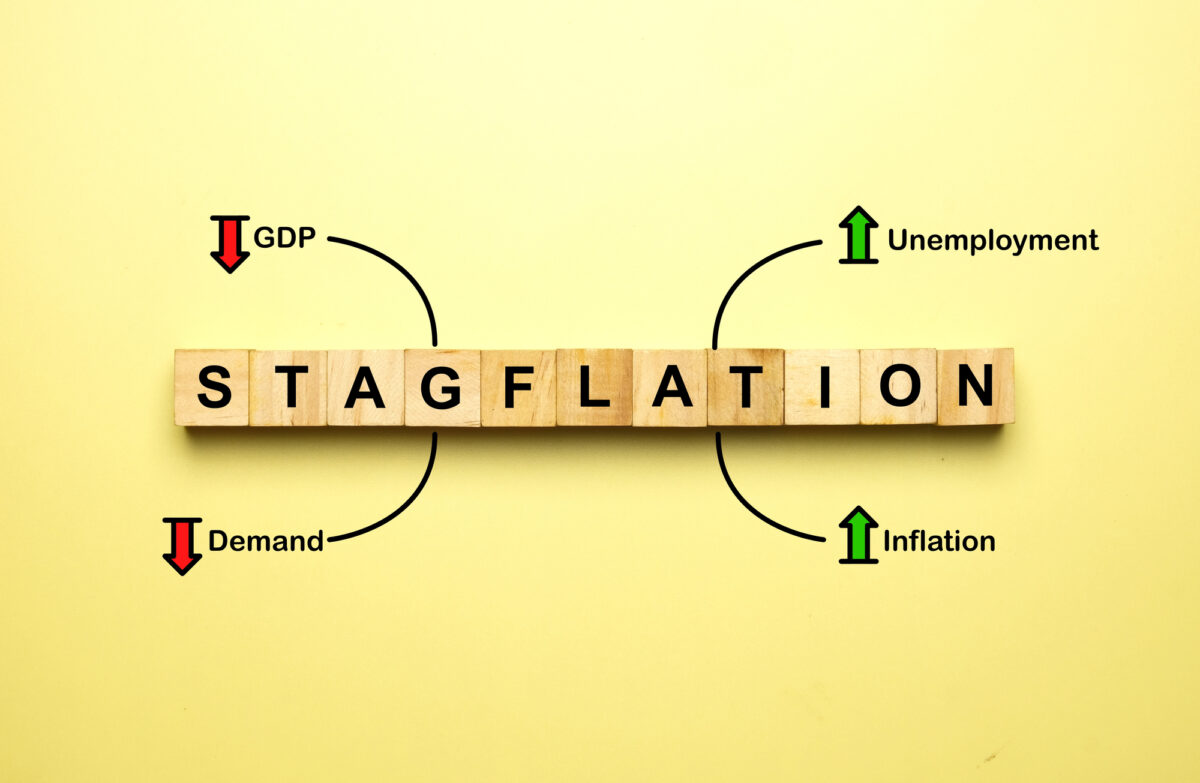
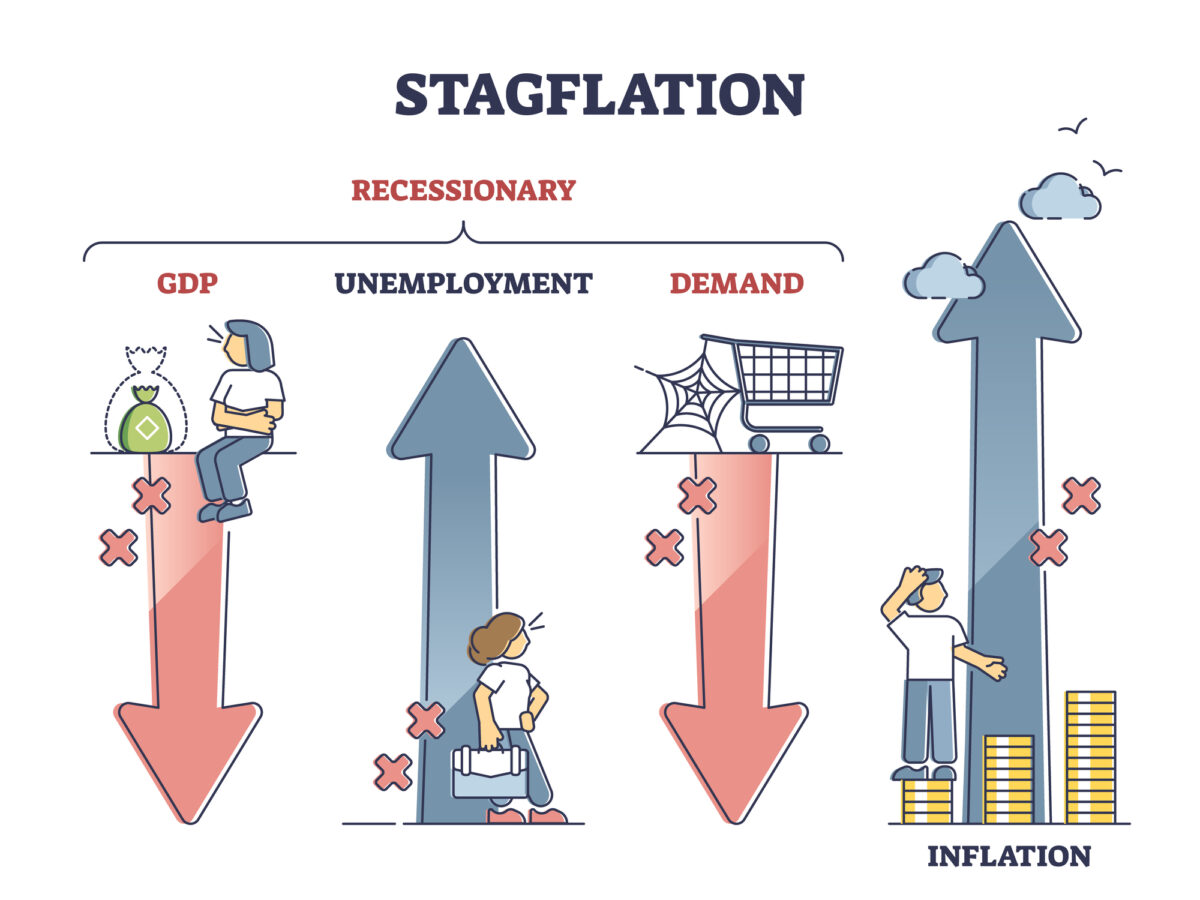
Second, higher prices reduce consumer demand, which slows down the economy, potentially pushing us into a recession. Recessions lead to higher unemployment, so you may lose your job. Even if you, personally, keep your job, higher unemployment goes hand in hand with downward pressure on wages, so you won’t be getting that raise or bonus and may even suffer a pay cut. This is especially devastating when prices go up. When this happens – high inflation at the same time as the economy stagnates, we get the pernicious economic ill called “stagflation.”

A third impact of tariffs is that by protecting domestic producers from competition from imports, they remove pressure to innovate and improve productivity. This makes our country as a whole less productive, reducing our standard of living.

According to the Tax Foundation, the new tariffs will reduce the US Gross Domestic Product (GDP) by as much as 1%, saying, We estimate that before accounting for any foreign retaliation, Trump’s tariffs will reduce long-run US GDP by 0.8 percent. As of April 10, threatened and imposed retaliatory tariffs affect $330 billion of US exports based on 2024 US import values; if fully imposed, we estimate they would reduce US GDP by 0.2 percent. Combined, the US-imposed tariffs and the threatened and imposed retaliatory tariffs reduce US GDP by 1.0 percent.

What Else Could Go Wrong?

Tariffs have broader impacts than the three cited above that impact you directly.

When the president set triple-digit tariffs on goods imported from the People’s Republic of China, the Chinese didn’t take it well, to say the least.

First, they raised their tariffs on US exports to triple digits.

Then, far more importantly, they slapped export controls on a range of rare-earth minerals crucial for a wide variety of technologies. These include (but are not limited to):

  • Smartphones
  • Computer components, e.g., memory chips, solid-state drives, and monitors
  • Televisions
  • Powerful permanent magnets needed for electric motors and wind turbines
  • Lasers used in telecommunications and medical devices
  • High-energy-density batteries needed for electric vehicles (EVs)
  • Catalytic converters needed to reduce emissions from non-EV cars
  • MRI contrast agents
  • Aircraft engines
  • Radars and missile guidance systems
  • Oil refining

Since 70% of our imported rare earths come from China, if this nascent trade war continues, this will quickly become a major problem.

Returning to tit-for-tat mutual tariff increases, these hurt American exporters, as foreign demand for their goods decreases. They can reduce their prices to offset these higher foreign tariffs, but doing so hurts their profit margins.

Another wrinkle is that China could move its manufacturing and/or assembly of products to countries with lower US tariffs to sidestep the especially punishing tariffs imposed on its direct exports to the US.

frustrated stressed man desperate with financial market graphic going down

Is There Yet More?

Yes, unfortunately.

The economic uncertainty and inflation expectations caused by the new tariffs and the resulting trade war lead to higher bond rates, which cause losses to bond investors, since bond valuations move in the opposite direction of interest rates.

Even worse, from the national perspective, the US government relies on selling treasury bonds to finance its huge annual budget deficit, currently estimated at $1.3 trillion (yes, with a “t”). 

It also needs to refinance debt when treasury bonds mature. Current estimates are that over $14 trillion in debt will mature in the coming three years, and since we’re not running budget surpluses, all of that matured debt will need to be refinanced.

If interest rates increase, new treasuries issued by the government have to promise higher rates, making our national debt service more expensive. The Congressional Budget Office (CBO) projects that interest payments on our national debt will total $952 billion in Fiscal Year 2025, 13.5% of the total government outlay of $7.028 trillion.

In 2026, they project interest payments will grow to $1.01 trillion, 13.8% of the $7.294 trillion total outlays. By 2035, interest payments will balloon to $1.783 trillion, eating up a full 16.1% of the $10.73 trillion projected total outlays.

Every percentage point increase in the interest the government needs to pay bond buyers will increase those nearly imaginary interest numbers even more. And when debt service costs increase, the government has to cut services, increase taxes, and/or borrow even more, leading us into a debt spiral.

It appears that this impact on bonds led the president to put off much of the new tariff regime by 90 days, which resulted in the major stock indexes recovering most (though not all) of their losses from the start of 2025.

Should You Change Your Investments Due to These Tariffs?

Elias Friedman, Founder and Senior Wealth Advisor of Kadima Wealth, responded, “The stock and bond market do not like uncertainty. Until there is a definitive decision regarding how tariffs will be used, these markets will continue to be volatile. Staying the course does not necessarily mean ‘set it and forget it.’ If you feel uncertain about your investments, consider meeting with your advisor to discuss your concerns.

Evan Luongo, Founder of NoDa Wealth, elaborates, “Markets constantly absorb new information, and stock prices adjust quickly to reflect what investors know at any given time. Tariffs have added a layer of uncertainty, and when new announcements are made or existing policies change, stocks react almost immediately. 

Sectors that are more sensitive to trade, like industrials, technology, and consumer goods, tend to move the most. However, market prices typically stabilize once the news is absorbed because the information becomes part of the current valuation. In the bond market, uncertainty in stocks often causes investors to seek safer assets like US Treasuries. As fear rises with new developments, bond prices tend to rise and yields fall. 

Overall, tariffs have made short-term swings sharper, but markets remain efficient at pricing in what is known at the time. In most cases, however, I don’t recommend changing your asset allocations due to news flashes. Asset allocations are built to withstand uncertainty and are tied to long-term goals, not short-term headlines. Tariffs and other economic developments are important, but much of that risk is already reflected in today’s market prices. 

For clients with major life changes coming up or those who feel especially uneasy, I might recommend small adjustments. However, the core strategy remains focused on staying diversified, maintaining discipline, and avoiding emotional reactions to short-term news.

What Tariffs Mean to You

The Trump administration is pursuing a massive tariff regime on nearly all imports, offering multiple reasons why this is a good thing.

However, the law of unintended consequences will hit our individual wallets in several ways, not least of which is higher inflation. We may also find fewer options available when shopping for many products. 

Further, many of us may lose our jobs, and those who keep their jobs will have a harder time getting pay raises and bonuses.

Possibly most concerning is that the higher interest rates that will result from the uncertainty and inflation expectations will make it more expensive for the government to borrow new money through the sale of treasuries to cover our huge budget deficits, refinance our massive national debt (over half of which is expected to mature within the coming three years, and the interest payments on our debt that already take up nearly one part in seven of the federal budget. All this risks pushing us into a debt spiral that will be very hard to stop.

Are You Ready to Hire a Financial Advisor?

You’ll find a growing number of financial advisors featured on Wealthtender. You can search based on the areas of specialization most important to you and where they’re located, or browse our financial advisor directory for more search options to find advisors who may be a good fit for you.

Find Your Next Financial Advisor on Wealthtender

📍 Click on a pin in the map view below for a preview of financial advisors who can help you reach your money goals with a personalized plan. Or choose the grid view to search our directory of financial advisors with additional filtering options.

📍Double-click or pinch pins to view more.

Showing

Disclaimer: This article is intended for informational purposes only, and should not be considered financial advice. You should consult a financial professional before making any major financial decisions.

Opher Ganel

About the Author

Opher Ganel, Ph.D.

My career has had many unpredictable twists and turns. A MSc in theoretical physics, PhD in experimental high-energy physics, postdoc in particle detector R&D, research position in experimental cosmic-ray physics (including a couple of visits to Antarctica), a brief stint at a small engineering services company supporting NASA, followed by starting my own small consulting practice supporting NASA projects and programs. Along the way, I started other micro businesses and helped my wife start and grow her own Marriage and Family Therapy practice. Now, I use all these experiences to also offer financial strategy services to help independent professionals achieve their personal and business finance goals. Connect with me on my own site: OpherGanel.com and/or follow my Medium publication: medium.com/financial-strategy/.


Learn More About Opher