Do you work for the Advocate Aurora Health System? Get the resources you need and expert insights from financial professionals who specialize in helping Advocate Aurora Health System employees make the most of their compensation package and benefits.

Whether you’re a new Advocate Aurora Health System employee or you’ve moved up the ranks into a management or executive leadership role over a multi-year career, it’s important to make smart money moves with your income and employee benefits. For example:

✅ Do you know the right moves to make to get the greatest value from the Advocate Aurora Health System benefits available to you?

✅If you’re thinking about leaving Advocate Aurora Health System for another job or planning to retire from the company in a few years, are you taking the right steps today to ensure you will receive all of the compensation and benefits that you’ve earned?

Get the Most Value from Your Advocate Aurora Health System Benefits and Compensation Package

Throughout the year, Advocate Aurora Health System provides its employees and executives with updates about their benefits ranging from health insurance and health savings plans to retirement plans like a 401(k) and deferred compensation plans. While the company offers many useful resources and access to knowledgeable staff who can assist with questions, you’ll also find financial professionals not affiliated with the Advocate Aurora Health System who specialize in helping employees make the most of their income and benefits.

Whether you work in the Advocate Aurora Health System headquarters in Milwaukee, Wisconsin, Downers Grove, Illinois, another office facility around the country, or remotely from home, you may have questions about your compensation package and benefits better suited for a financial professional who can offer unbiased advice and guidance.

For example, sensitive topics like discussing the steps you should take before quitting your job at Advocate Aurora Health System to work elsewhere, protecting yourself in advance of a corporate layoff, or deciding when you should plan to retire are all conversations that may be more comfortable with a trusted financial advisor.

Should you hire an Advocate Aurora Health System specialist financial advisor or an advisor close to home?

You’ll likely find dozens of nearby financial advisors well-suited to help you reach your money goals with a personalized plan. But it may be more difficult to find a financial advisor who specializes in serving Advocate Aurora Health System employees.

Fortunately, many financial advisors offer virtual services so you can meet online no matter where you (or they) live.

This means you can choose to hire a specialist financial advisor who lives hundreds of miles away if you decide their knowledge and experience working with Advocate Aurora Health System employees is a better fit to help with your unique needs.

💡 In the Q&A below, you’ll gain insights from financial advisors who work with Advocate Aurora Health System employees to help them make smart decisions to get the most value from their compensation and benefits, reduce their money stress, and prepare for a comfortable retirement.

🙋‍♀️ Do you have questions not yet answered? Use the form below to submit questions anonymously and watch this article for updates with answers to your questions. You can also reach out to the financial advisors below to set up an introductory call or contact them with your questions by email.


💸 Smart Money Insights for Advocate Aurora Health System Employees & Executives

This page is organized into sections to help you quickly find the information you need and get answers to your questions:

  1. Q&A: Financial Planning Tips for Advocate Aurora Health System Employees & Executives
  2. Get Answers to Your Questions About Your Advocate Aurora Health System Benefits and Career
  3. Browse Related Articles

Q&A: Financial Planning Tips for Advocate Aurora Health System Employees & Executives

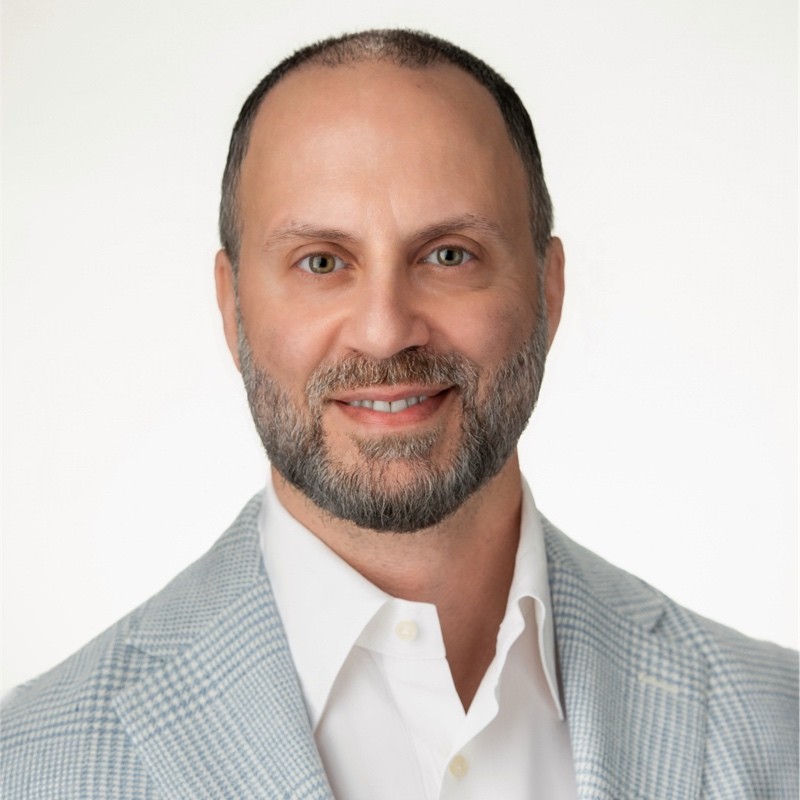
Answers to Employee Questions with Robert Dignan, CFP®, AIF®

Robert Dignan is a financial advisor based in Brookfield, Wisconsin who specializes in offering financial planning services to Advocate Aurora Health System employees. Robert helps his clients get the most value from their Advocate Aurora Health System benefits and compensation package so they can enjoy life and feel confident about their financial future.

Q: As a financial advisor with experience helping Advocate Aurora Health System employees save for their retirement, how do you help them make the most of their employee benefits?

Robert: As the spouse of a 30 year Advocate Aurora physician, I’ve had the opportunity to watch the company (Aurora) grow from a leading regional healthcare system into a national healthcare powerhouse. In that growth process, the benefits have evolved as well, resulting in major financial planning opportunities for employees at every level of compensation, whether they be part- or full-time. By integrating company-offered retirement benefits with our clients outside portfolios, we find ways to maximize the opportunities that are provided by the AAH 401(k) and/or Deferred Compensation Plans, without the need to pay for additional “in plan management fees.”

Q: When you first speak with an Advocate Aurora Health System employee, what questions do you like to ask to better understand their unique circumstances and determine how you can best help them achieve their goals?

Robert: The most important question for anyone in healthcare today is “How are you doing, and do you still love what you do?” Healthcare today has become a never ending battle to maintain your sanity and life balance, especially for the Nurses, Nurse Practitioners, Med Techs, and Physicians on the front lines. First and foremost, we always need to find out how our clients are doing mentally, because the “when and how” of retirement is hugely dependent on “are you doing okay?” We expect these people to give us great care, and they should expect that to be our first concern too.

Q: Is there a particular benefit available to Advocate Aurora Health System employees you feel isn’t as well utilized or understood by employees as it should be?

Robert: For those who qualify, the AAH Deferred Compensation Program is absolutely a “must consider”. Not everyone qualifies, and not everyone should fund it, but it must be discussed, especially for anyone in a more highly compensated role.

Q: For Advocate Aurora Health System employees thinking about leaving the company to accept a job elsewhere, what actions do you recommend they take before resigning and shortly thereafter?

Robert: While no company is perfect, it’s important to understand what you are giving up before you leave. So many advisors first want to talk about what to do with your retirement plan assets, but that’s incredibly short-sighted. The first questions need to be around the topic of the heath insurance that you’re leaving (and examining where you are in your “paid deductibles” for the year) and what your new situation will be going forward. In a few cases we have recommended waiting for just a month or two to more completely capitalize on making the most efficient use of Flex Spending dollars, health insurance deductibles that were already fully met, and even sneaking in a pair of spare eyeglasses (under the vision plan) before an employee departs.

Q: For Advocate Aurora Health System employees approaching retirement age, how do you recommend they prepare to make the transition from living off their salary to relying upon other sources of income?

Robert: This isn’t a straightforward transition that applies equally to all employees. If an employee has had the benefit of funding a Deferred Compensation account, in addition to their AAH 401(k), those assets can be triggered to create income in a manner that should compliment their Social Security income, or that may even allow them to defer their Social Security to a later age to maximize their lifetime Social Security payouts. Once an Advocate employee is within three years of retirement (or believes that they are) we begin a transition process that involves a very specific examination of their current expenses, their projected expenses in retirement, the anticipated changes in their personal income tax situation, and the manner in which we will utilize their assets to replicate the equivalent of a monthly paycheck.

Additionally, if that retiring employee is under the age of 65, we will also work with them to ensure that they are positioned to have great health insurance until age 65, when Medicare begins. This can include the use of their AAH COBRA benefits, a referral to a trusted independent health insurance agent, or collaborative assistance with an ACA health plan. And as the client draws closer to age 65, whether retiring or not, we work to connect them with an independent advisor who specialized in Medicare Supplement or Medicare Advantage policies to assist them in filling in the gaps in their Medicare coverage.

Get to Know Robert Dignan, Financial Advisor for Advocate Aurora Health System Employees:

View Robert’s profile page on Wealthtender or visit his website to learn more.

Are you a financial advisor who specializes in working with employees at Advocate Aurora Health System or another large company?

✅ Join Wealthtender and get featured as a specialist financial advisor based on your knowledge and experience working with employees at Advocate Aurora Health System or another large company. (Subject to availability and terms.)
Sign up today and join financial advisors attracting their ideal clients on Wealthtender
✅ Or request more information by email:

  • This field is for validation purposes and should be left unchanged.


🙋‍♀️ Have Questions About Your Advocate Aurora Health System Benefits or Career?


Are you ready to enjoy life more with less money stress?

Sign up to receive weekly insights from Wealthtender with useful money tips and fresh ideas to help you achieve your financial goals.

  • This field is for validation purposes and should be left unchanged.

About the Author
Brian Thorp, Founder and CEO of Wealthtender profile picture

Brian Thorp

Founder and CEO, Wealthtender

Brian is CEO and founder of Wealthtender and Editor-in-Chief. He and his wife live in Austin, Texas.

With over 25 years in the financial services industry, Brian is applying his experience and passion at Wealthtender to help more people enjoy life with less money stress.


Connect with Brian on LinkedIn

A financial advisor who knows the unique needs of liveaboard cruisers can help you make smarter money moves as you navigate new ports and plan for adventures ahead.

Are you a liveaboard cruiser? Or are you considering the benefits of trading life on land for full-time cruising aboard your vessel?

A financial advisor who understands the unique needs of liveaboard cruisers can help you make smarter money moves as you navigate harbors near and far (or as you prepare to cast off your dock lines and embrace life on the water).

You’ll likely find dozens of financial advisors in your hometown well-suited to help you reach your money goals with a personalized plan. But it may be difficult to find a financial advisor who understands the unique financial planning opportunities and challenges faced by liveaboard cruisers who may frequently move between marinas, live off-grid at anchor, or cross international waters while making their boat their primary residence.

Fortunately, many financial advisors offer virtual services so you can meet online no matter where your travels take you, whether you’re docked in the Florida Keys or dropping anchor in the Caribbean. This means you can choose to hire a financial advisor who lives thousands of miles away from your current port if you decide their knowledge about financial planning for liveaboard cruisers could help you achieve better outcomes.

Financial Planning for Liveaboard Cruisers

💡 In the Q&A below, you’ll gain insights from financial advisors who work with liveaboard cruisers to help them make smart decisions to enjoy life more today while preparing for a comfortable retirement in the future.

🙋‍♀️ Do you have questions not answered below? Use the form on this page to submit your questions, and we’ll update this article with answers from the financial professionals and educators in the Wealthtender community. You can also contact the financial advisors featured in this article directly to set up an introductory call or ask your questions by email.


💸 Smart Money Insights for Liveaboard Cruisers

This page is organized into sections to help you quickly find the information you need and get answers to your questions:

  1. Q&A with Financial Advisors Specializing in Serving Liveaboard Cruisers
  2. Get Answers to Your Questions About Liveaboard Cruising
  3. Browse Related Articles

Q&A: Financial Advisors Specializing in Serving Liveaboard Cruisers

Answers to Questions About Liveaboard Cruisers with Kevin Caldwell

We asked Chester, Maryland financial advisor and liveaboard cruiser specialist Kevin Caldwell to answer questions about this lifestyle on the water.

Q: For liveaboard cruisers (and those who are aspiring to become liveaboard cruisers) who are unsure whether or not they should hire a financial advisor at the current point in their lives, what guidance can you provide to help them make a more informed and educated decision?

Kevin: One of the biggest challenges liveaboard cruisers face is managing cash flow in a lifestyle with highly variable expenses and income sources. Unlike traditional homeowners, cruisers deal with fluctuating costs for fuel, marina fees, maintenance, provisioning, and sometimes international travel. On top of that, many cruisers have irregular income streams—retirement withdrawals, rental income, or seasonal work.

As an experienced boater myself, I fully understand the realities of life on the water—including the unpredictability of maintenance costs, the impact of weather on travel plans, and the nuances of provisioning in remote areas. That firsthand knowledge allows me to build financial plans that are not only technically sound but also practical and realistic for the cruising lifestyle.

To help clients overcome these challenges, I work with them to:

  • Assess your financial readiness: Are you confident in your budget, reserves, and income strategy for cruising?  Do you have your boat yet?  If not, a financial advisor with extensive boating experience can help you build that foundation and figure out your boat buying budget.
  • Clarify your goals:  Whether you’re planning a seasonal cruise or a multi-year journey, selling your dirt home or maintaining it while cruising, aligning your financial plan with your cruising goals is essential.
  • Evaluate complexity:  If your financial life includes investments, retirement accounts, early retirement, rental properties, or business income (see bullet point about business owners below), professional guidance can help you optimize and simplify.
  • Build a flexible cash flow plan that accounts for seasonal variations and unexpected repairs.
  • Create a cruising reserve fund for emergencies so they don’t have to disrupt their long-term investments.
  • Use forecasting tools to project expenses for different cruising regions (e.g., Great Loop vs. Caribbean) and align withdrawals or income accordingly.
  • Support business owners who cruise full-time by offering strategic financial planning through both Islands East Advisors and our sister company, Islands East Financial Solutions. IEFS provides fractional CFO services and business consulting to help owners manage and grow their businesses while living aboard.
  • Consider peace of mind:  Many cruisers find that working with an advisor gives them the confidence to enjoy the journey without constantly worry about money.
  • Evaluate the unknowns:  If you sell your dirt home, how will you obtain a street address for your license, residency, credit cards, and mail?  If you cruise internationally, how will you manage healthcare or even medevac insurance?  If you want to spend extensive time in one place, do you understand how that can affect your tax liabilities?  Do you travel with pets and understand the complexities this can bring to international destinations?  These are just a few of the many intricacies that liveaboard cruisers face.  When you hire IEA, you get an Advisor who understands these issues and has partners and contacts that can help you through each of them.

This approach gives cruisers confidence that their lifestyle is sustainable without jeopardizing their financial future—and it’s grounded in a deep understanding of both finance and the realities of life aboard.

Q: For aspiring liveaboard cruisers ready to become a boater, what actions do you recommend they take before making their way to the marina?

Kevin: Transitioning to the liveaboard lifestyle is exciting—but it’s also a major shift that requires thoughtful preparation. Here are the key actions I recommend before casting off:

  • Understand the financial realities of cruising. Life aboard can be more or less affordable than land life, depending on your situation and goals, but it comes with variable costs—fuel, maintenance, marina fees, insurance, and provisioning. I help clients build realistic budgets and cash flow plans tailored to their cruising goals.
  • Get hands-on boating experience. Take boating safety courses, spend time crewing with experienced cruisers potentially on some offshore runs, and practice docking, anchoring, and basic maintenance. The more confident you are on the water, the smoother your transition will be.
  • Purchasing your boat.  Figuring out the style of boat that best fits your needs and determining whether to pay cash or finance is a daunting task.  There are many details that make this a critical decision point that requires several areas of expertise.  Taxes, insurance, and financing are much more complicated than purchasing a home.
  • Plan for boat maintenance. As an experienced boater myself, I know firsthand how unpredictable and costly maintenance can be. I advise clients to set aside a dedicated reserve fund for repairs and upgrades—and to understand the systems on their boat before departure.  Understanding the spare parts needed to keep your cruise going until you reach an appropriate marina where you can get assistance is imperative. 
  • Review your insurance and legal documents. Make sure your boat insurance covers your cruising plans (especially if international), and update your estate plan, medical directives, and travel documents.
  • Test your lifestyle. Before committing full-time, try living aboard for a few weeks or months, especially before you sell your home. It’s the best way to discover what works for you—and what doesn’t.  It also ensures your boat, if recently purchased (new or used), is ready to cruise full-time and you obtain the required experience and confidence in your home waters.
  • If you’re managing a business while cruising, plan ahead. Islands East Advisors specializes in helping both liveaboard boaters and business owners. Our sister company, Islands East Financial Solutions, offers fractional CFO services and business consulting to help you stay financially organized and operationally effective while living aboard.

Preparing well before you reach the marina ensures your cruising lifestyle is not only adventurous—but also sustainable and financially secure.

Q: When you first speak with liveaboard cruisers, what questions do you like to ask to better understand their unique circumstances and determine how you can best help them achieve their goals?

Kevin: Every cruiser’s journey is different, so I start by asking questions that help me understand both their lifestyle and financial picture. My goal is to tailor a plan that supports their cruising dreams while protecting their long-term financial health. Here are some of the key questions I ask:

  • What kind of cruising are you planning? (e.g., Great Loop, Caribbean, coastal hopping, international)
    This helps me estimate regional costs and plan for seasonal variations.
  • What’s your current income structure?
    Whether it’s retirement withdrawals, rental income, remote work, or a business, I want to understand how money flows in and how stable it is.
  • Do you own or plan to manage a business while cruising?
    If so, I introduce our sister company, Islands East Financial Solutions, which offers fractional CFO services and business consulting to help owners stay financially organized and operationally effective while living aboard.
  • What’s your comfort level with boat maintenance and repairs?
    As an experienced boater, I know how quickly costs can escalate. Understanding their skill level helps me plan for realistic reserve funds, maintenance schedules, and risk assessment.
  • What is your overall boating experience?
    Clients with no prior boating experience require a different level of service than clients that have owned many boats throughout their lives and have a 100-Ton Master Captain’s License. 
  • Do you have a financial safety net or emergency fund?
    Cruising can be unpredictable, so I help clients build buffers that allow them to handle surprises without derailing their plans.
  • What are your long-term goals—both financial and lifestyle?
    Whether it’s cruising for a few years, retiring aboard, or transitioning to land life later, I want to align their financial strategy with their vision and their life transitions.

These conversations help me build a financial plan that’s not just numbers on a spreadsheet—but a roadmap for a sustainable and fulfilling cruising lifestyle.

Q: What are the biggest financial risks cruisers face, and how do you help mitigate them?

Kevin: Cruising full-time is a dream for many, but it comes with unique financial risks that can quickly derail even the best-laid plans if not properly managed. The biggest risks I see include:

  • Unpredictable maintenance and repair costs.
    Boats are complex systems, and unexpected breakdowns are part of the lifestyle. With all of today’s technological advancements, the more systems you install on your boat, the more difficult it is to diagnose and the more expensive it is to maintain. As an experienced boater, I understand how quickly these costs can escalate. I help clients build realistic reserve funds and plan for routine maintenance, so surprises don’t become financial emergencies.  This understanding also helps me give advice to clients when purchasing their boat, so they don’t overspend. 
  • Variable living expenses.
    Costs for fuel, marina fees, provisioning, and insurance can fluctuate dramatically depending on location and season. An advisor that lacks experience in boating will not typically dig into the details of a client’s living expenses on a boat because they are unaware of what questions to ask. I combine traditional forecasting tools and my knowledge of cruising to help cruisers anticipate regional cost differences and adjust their cash flow accordingly.  We also review scenarios such as what if fuel costs increase by 50%?
  • Irregular income streams.
    Many cruisers rely on retirement withdrawals, rental income, or seasonal work. These sources can be inconsistent, so I help clients structure their finances to ensure steady cash flow and avoid shortfalls.
  • Limited access to financial services while underway.
    Cruisers often travel in areas with limited internet or banking access. I help set up systems that allow for remote financial management, automated transfers, and secure access to critical accounts.
  • Managing a business while cruising.
    For cruisers who are also business owners, staying organized and financially effective can be a challenge. That’s where our sister company, Islands East Financial Solutions, comes in. We offer fractional CFO services and business consulting to help owners maintain control and growth—even from the deck of their boat.

By identifying these risks early and building a flexible, forward-looking financial plan, I help cruisers enjoy the freedom of the lifestyle without sacrificing financial security.

Q: What questions do you recommend liveaboard cruisers ask financial advisors they’re considering hiring to help them decide if they’re a good fit?

Kevin: These are the top questions I would encourage asking:

  • Have you ever purchased a boat larger than 30 ft and have you ever lived aboard or spent extended time cruising yourself? 
  • Do you have experience working with liveaboard cruisers or full-time travelers?
  • Do you have extensive contacts and referrals in boat specific areas like financing, boat insurance, health insurance, boat brokers, etc.?
  • Are you familiar with the financial challenges unique to boating – like maintenance, marina fees, internet connectivity, and provisioning in remote areas?
  • Are you able to help me build a budget and cash flow tailored to my new lifestyle?

Get to Know Kevin Caldwell, Financial Advisor for Liveaboard Cruisers:

View Kevin’s profile page on Wealthtender or visit his website to learn more.

Are you a financial advisor who specializes in liveaboard cruisers?

✅ Join Wealthtender and get featured as a specialist financial advisor based on your knowledge and experience. (Subject to availability and terms.)
Sign up today and join financial advisors attracting their ideal clients on Wealthtender
✅ Or request more information by email:

  • This field is for validation purposes and should be left unchanged.

Resources to Help You Choose a Financial Advisor

Top Questions to Ask a Financial Advisor

How Much Does a Financial Advisor Cost?


🙋‍♀️ Have Questions About Financial Planning for Liveaboard Cruisers?


Are you ready to enjoy life more with less money stress?

Sign up to receive weekly insights from Wealthtender with useful money tips and fresh ideas to help you achieve your financial goals.

  • This field is for validation purposes and should be left unchanged.

About the Author
A headshot of Brian Thorp, the founder and CEO of Wealthtender

About the Author

Brian Thorp

Brian is CEO and founder of Wealthtender and Editor-in-Chief. He and his wife live in Austin, Texas. With over 25 years in the financial services industry, Brian is applying his experience and passion at Wealthtender to help more people enjoy life with less money stress. Learn More about Brian

Most people think legacy planning begins and ends with writing a will. In reality, a complete legacy plan is far more comprehensive – and far more powerful.

A thoughtful legacy plan gives you control over your assets, provides clarity to your loved ones, and protects your wishes at every stage of life. And yet, too many families leave this planning unfinished, or worse, never start at all.

Whether you’re approaching retirement, navigating a divorce, or managing a business, now is the time to get your legacy documents in order.

What Is Legacy Planning?

Legacy planning is the process of organizing your financial, legal, and personal affairs to ensure your wishes are honored during your life and after your death.

Unlike basic estate planning, which typically focuses on distributing assets through a will, legacy planning takes a broader view. It coordinates financial documents, medical directives, personal letters, and digital assets—everything needed to provide a clear and complete roadmap for your family.

This type of planning isn’t just about death. It’s about how you want to be cared for if you’re ever incapacitated. It’s about easing the burden on your family. And it’s about passing on not just your assets, but your values.

Why Legacy Planning Is Often Overlooked

Despite its importance, many people delay or avoid legacy planning. There are a few common reasons:

1. Emotional Discomfort

Planning for end-of-life care or imagining a world after you’re gone is never easy. These are deeply emotional topics, and many people avoid them entirely until a crisis forces the issue.

2. “It’s Only for the Wealthy”

There’s a widespread belief that legacy planning is only necessary for the ultra-wealthy. In truth, anyone with a home, a bank account, retirement savings, or a family can benefit from a well-structured plan.

The Essential 7 Documents for Legacy Planning

So, what documents do you need for legacy planning? Here’s your essential legacy planning checklist:

1. Last Will and Testament

This is the most recognized estate planning document, but it’s only one piece of the puzzle. A will outlines how your assets should be distributed and names guardians for minor children. Without one, the courts will decide who gets what—often with delays and costs your family could have avoided.

2. Trust (Especially a Revocable Living Trust)

revocable living trust allows you to transfer ownership of your assets into a trust during your lifetime while maintaining control. It can help your estate avoid probate, reduce delays, and ensure privacy. Trusts are especially helpful for blended families, business owners, or those with property in multiple states.

3. Financial Power of Attorney

This document designates someone to manage your financial affairs if you become incapacitated. Without it, your loved ones may need to go through a lengthy and expensive court process to gain control of your finances.

4. Healthcare Proxy / Advance Directive

Also called a medical power of attorney, this document names someone to make medical decisions on your behalf if you can’t speak for yourself. Your advance directive outlines your wishes for life support, resuscitation, and other treatments. Together, these documents help ensure your preferences are respected—and relieve your family from making agonizing decisions without guidance.

5. HIPAA Authorization

This lesser-known but critical document allows your chosen representatives to access your medical records. Without it, even your spouse or children may be blocked from getting the information they need to make informed decisions about your care.

6. Beneficiary Designations

Retirement accounts, life insurance policies, and some bank accounts allow you to name beneficiaries. These designations override your will, which is why it’s crucial to review and update them regularly. It’s common to find outdated beneficiaries listed, such as an ex-spouse or deceased relative.

7. Letter of Intent

While not legally binding, a letter of intent adds a personal dimension to your legacy plan. It can include your funeral wishes, the values you want to pass on, and guidance for how you hope your heirs will use their inheritance. It’s also an opportunity to express love, gratitude, and encouragement—things no legal document can fully capture.

Bonus: Digital Asset Inventory

In today’s world, digital assets are often overlooked. This includes your email accounts, financial platforms, social media, cloud storage, and any digital files or subscriptions. Documenting usernames, passwords, and account instructions can save your family enormous frustration. Consider using a secure password manager or digital vault.

Coordinating Across Generations

Legacy planning isn’t just about documents – it’s about communication.

Start by having open conversations with your loved ones. Let them know where your documents are located and who is responsible for what. If you have a trust or healthcare directive, make sure those named understand your intentions.

Many families also benefit from working with financial advisors, estate planning attorneys, and tax professionals. These experts can help you structure your plan to minimize taxes, avoid legal pitfalls, and reduce the risk of family conflict.

Conclusion: Control, Clarity, and Protection

Legacy planning is one of the most thoughtful gifts you can give your loved ones. It prevents confusion, preserves family harmony, and ensures your voice is heard even when you can’t speak for yourself.

This article was originally published here and is republished on Wealthtender with permission.

About the Author

Headshot of Mitchell J. Thompson, CFP®, CDFA®, ChSNC®, AEP®
Mitchell J. Thompson, CFP®, CDFA®, ChSNC®, AEP® Family | Fixer | Fiduciary | Advisor | Wealth Manager

Mitchell J. Thompson, CFP®, CDFA®, ChSNC®, AEP® | MJT & Associates Financial Advisory Group

Navigating a business transition can be both exhilarating and overwhelming. The sheer complexity means that even important details can get overlooked. There are several components to selling a business.

First, and most self-explanatory, is the business side of things. Is your business ready to sell?

Next, is the personal and emotional component. Are you ready to sell? You may be selling something you’ve worked on your whole life and you’re not sure what’s next. Have you thought through what that means?

Finally, the personal and financial side of things. Do you know if you’ll have enough money after the sale to live the life you want?

Wrapped up in all of these complex emotional and financial decisions are taxes. The tax implications of a sale can significantly affect your outcome, and they can turn what appears to be a smart financial decision into a costly one without proper planning. Ironclad Wealth Management can help you preserve more of what you’ve earned as you chart your path towards an eventual exit.

Why Tax Planning Matters in Business Transition

Without business transition tax planning, entrepreneurs and small business owners risk giving away a significant amount of their sales proceeds to the IRS. This is probably your last bite of a large meal that’s fed you and your family for years. If you’re like most people, you want to make the most of it.

So, what does this look like from a practical perspective?

When selling your business, you need to sell for enough that your investments can then provide your desired lifestyle for you and your family. The problem is that you may be going from a business that has a 25% profit margin to an investment portfolio that supports a 4% withdrawal rate. That’s a pretty big difference!

The amount that you need to sell your business for to provide your lifestyle is what I call the “Wealth Gap.” The Wealth Gap is the difference between what you need to provide for your lifestyle and what you have in personal, outside investments today. That Gap is the amount that you need to sell your business for after taxes.

Wealth Gap = Amount Needed to Generate Desired Income – Personal Investment Assets

With a desired income of $250,000 and a 4% withdrawal rate, it would take $6,250,000 to retire today. If you had $2,000,000 of personal assets, that would mean you need to make $4,250,000 from the sale of your business. That’s your Wealth Gap.

However, that’s excluding taxes. Including taxes at a 25% tax rate, you need $5,666,666.67 to reach your Wealth Gap of $4,250,000. That means that without tax planning, your Wealth Gap is much higher!

That’s the point of tax planning during a business transition. Lowering your tax bill means that you can either meet your goals with a lower sales price or receive a higher income if you plan properly.

The first step in preparing financially to sell your business should be to identify your personal Wealth Gap. If you haven’t, take the time to do so before starting any tax planning.

Want to calculate your own Wealth Gap?

Key Tax-Saving Opportunities for Sellers

One of the main financial goals of any business owner looking to sell is to save capital gains taxes. The good news is that there are several tax saving strategies available to small business owners who are looking to sell their business.

The magic happens when you find the right strategy for your personal situation. Jamming the wrong strategy into your life purely to save taxes can cause more problems than the tax savings are worth.

Even worse, you may hear about a strategy that’s too good to be true…and is. Don’t get swept up in the emotions of a sale and make a decision that that could trigger IRS scrutiny and distract you from the peace of mind you hoped to enjoy post-sale.

So which tax savings strategies are out there? Here’s a brief list with commentary on what they do and who they may work for.

Installment sales

The easiest way to reduce your taxes is to spread your gain over multiple years in an installment sale. In an installment sale, you receive your proceeds over a set period instead of all at once. The main benefit is that you may be in a lower tax bracket during the installment period. The highest tax bracket for capital gains is 20% and the lowest is actually 0%. However, if you’ll be in the highest bracket no matter how you spread this out, there’s really no benefit. Remember, you are also loaning the buyer the money, so you must be comfortable with their ability to pay.

Best for: Business owners who are comfortable taking the loan risk and will be in a lower tax bracket post sale.

Qualified Small Business Stock Exclusion (QSBS)

The QSBS exclusion is the most beneficial part of the tax code for business sellers but does not apply to all businesses.

The QSBS exclusion excludes up to $15m or 10x your investment, whichever is higher, from capital gains taxes. To qualify, you must be a C-Corp, have received stock directly from the corporation, the corporation must have had less than $75m in assets at the time of issuance, and 80% of assets must be used in a qualified trade. You receive a 50% exclusion after 3 years, 75% after 4 years, and 100% after 5 years of holding. These rules were recently changed in The One Big Beautiful Bill Act (OBBBA) and your exact terms will vary based on when your shares were issued.

Best for: C-Corporations who qualify. There is no better tax saving strategy than the QSBS exclusion. If you didn’t start as a C-Corp, you may still be able to convert and partially qualify if you have a 3+ year window.

Structured Installment Sale

A structured installment sale has the same tax treatment as an installment sale with one major change – there is no loan risk. This is because the buyer deposits the full purchase price with an intermediary. This intermediary then pays you according to your schedule. This is an irrevocable election as part of the sales agreement.

Best for: Business owners who think an installment sale may work for the reasons above but are expecting a lump sum sale.

Charitable Remainder Trust

This trust allows you to gift your shares of the company to a trust and receive a charitable deduction. When the trust sells the business, it pays no income taxes. While you live you receive a set payment each year and then whatever is left passes to your named charity at death. As the income comes to you, you do pay personal taxes on it in the same manner your trust earned the income. However, you get to earn 5% on $10,000,000, not $7,500,000! This must be done in advance of a sale and S-Corp stock does not work with Charitable Remainder Trusts.

Best for: This option could be good for a business owner with charitable intent who has a good understanding of their possible sale timeline. Also, if you are concerned with your heirs losing their inheritance, it is common to pair this with a life insurance policy to provide for them.

Opportunity Zone Investing

Investing in an Opportunity Zone allows an investor to defer eligible gains for a period of time. After a sale, you must invest within 180 days in an eligible Qualified Opportunity Zone. Currently, you can defer your gains until Dec. 31, 2026. Beginning Jan. 1, 2027, you can defer your gain for 5 years. The main benefit of OZ Funds is that you can then exclude the appreciation of the OZ investment itself if you hold the fund for 10 years. OZ Funds are in a state of flux right now with this waiting period from the OBBBA. However, they can provide substantial tax benefits for the right person and it is one of two strategies on this list that can be done after a sale! OZ Funds are complicated and if you are interested, here is a good overview of the current state of affairs.

Best for: A business owner who has already sold and is comfortable investing their money in a new investment for 10+ years.

Tax Loss Harvesting

Finally, there is tax loss harvesting. In tax loss harvesting you take your proceeds and invest in a taxable investment account that generates losses while still generating market returns. The main benefit is that this can be done post-transaction. The losses generated offset your capital gains. This is probably the most flexible option.

Best for: The business owner who has already sold or doesn’t want to have any complicated lockups with their money. Check out our detailed guide here.

Key Tax Strategies for Buyers

While this blog is mainly geared towards sellers, I do want to address buyers briefly. While there are fewer strategies available to buyers than sellers, you can structure a deal to help you save money on taxes.

Most buyer tax benefits are directly derived from the structure of the deal. If the purchase is an asset purchase, it becomes very straightforward. You can depreciate the fixed assets that you purchase, and they are usually eligible for bonus depreciation. You can also amortize intangible assets like goodwill over a 15-year period. When you buy the business, it’s highly likely that you will pay less in taxes than the previous owner for the first several years, which can help with early cash flow.

If you buy a business in a stock sale, you would think that you may be ineligible for asset level depreciation; however, with proper business tax strategy and planning you can still achieve this in some cases. If your transaction is eligible, you may be able to utilize a Section 338(h)(10) election. This allows buyers to treat the transaction as an asset purchase for tax purposes while still executing it as a stock purchase.

This gives a buyer both the ease of a stock sale and the tax benefits of an asset sale. However, the seller will most likely incur some additional taxes and may need to be compensated for that.

What to Avoid: Common Tax Mistakes in Business Sales

Unfortunately, more exits than not go poorly or leave business owners with a sense of regret. Most of these regrets tend to happen on the personal, emotional side where a small business owner feels like they’re losing a piece of their identity after the sale. However, improper tax planning can also cause issues.

I see three major issues when it comes to tax planning during exit planning:

  1. Reactive, not proactive planning – As you saw above, some strategies need planning before a sale is executed. By waiting too long, you may limit the possibilities available to you and cause issues for yourself down the road.
  2. TOO much focus on taxes – Sometimes business owners can become TOO focused on the tax aspects of a transaction and ignore other factors that may hamper them in the future. It may sound funny coming from a financial planner, but remember, taxes aren’t everything!
  3. Falling for “Too Good to be True Strategies” – When you’re looking at a big tax bill, schemes that promise to eliminate all your taxes start looking pretty tempting. Some business owners take tax positions that I would charitably call misguided, and uncharitably call fraudulent, in the pursuit of tax savings. Don’t do it. When in doubt, check the IRS Dirty Dozen list for common scams.

Avoiding these pitfalls is just as important as identifying the right strategies for good tax planning.

The Role of Exit Planning with Ironclad Wealth Management

A trusted advisor like Ironclad Wealth Management is an integral part of any exit planning process. The tax piece is critical, but it’s just one part of a much bigger puzzle.

We help business owners:

  • Calculate their personal Wealth Gap
  • Determine if they’re financially ready to sell
  • Prepare their family for life after the business
  • Coordinate with their team of attorneys, CPAs, and investment bankers
  • Make sure their business goals and personal goals actually align

The goal isn’t just to save on taxes, it’s to make sure the entire transition sets you up for the life you want afterward.

The Bottom Line

Buying or selling a business is one of the biggest financial decisions you’ll make. The tax implications can dramatically affect your outcome, but they don’t have to derail your plans.

The key is planning ahead, understanding your options, and working with advisors who see the big picture, not just the tax bill.

Whether you’re preparing to sell the business you’ve built or looking to acquire your next opportunity, proper tax planning can save you significant money and set you up for long-term success.

This article was originally published here and is republished on Wealthtender with permission.

About the Author

Headshot of Patrick G. Moore, CFP®, EA
Patrick G. Moore, CFP®, EA Helping small business owners make sense of their money

Patrick G. Moore, CFP®, EA | Ironclad Wealth Management

What if the most meaningful gift your family gives this year doesn’t come in a box? The holidays are a great opportunity to celebrate more than just togetherness; they’re a time to pass down values like generosity, gratitude, and giving back. The holidays also offer blended families time to create new traditions that unite parents, stepparents, and children from both sides around shared values and a common purpose.

While the season is often full of gatherings and gift exchanges, weaving charitable giving into your celebrations can help ensure that the spirit of the season extends far beyond your own household. It also offers a chance to learn more about one another—what each family member cares about, the experiences that shaped those values, and the causes that feel most personal.

Here’s how to get the whole family in the giving spirit this holiday season.

Establish a Family Giving Tradition

One of the simplest ways to instill charitable values is to make giving a recurring family event. Consider picking a date to discuss giving together—just make sure it’s early enough that you have time to incorporate any action items into your to-do list before the year ends.

This tradition can be a wonderful way for blended families to build connection and a sense of shared identity. Try gathering everyone around the table and inviting each person to share a cause that reflects their background or interests. Maybe one child wants to support an animal shelter, while another feels strongly about helping families in need. Including everyone in the conversation fosters unity by reinforcing a sense of belonging for all family members.

You might be surprised by your family’s ability to identify community needs or challenges they’ve learned about in school or through personal experiences. Ask them to share why they care about certain causes or charities, and don’t be afraid to share your own stories as well. For remarried couples, this can also be a moment to reflect together on how your own upbringings and past family experiences have shaped your view of generosity.

Throughout these planning conversations, try to keep the tone light and conversational. The purpose here isn’t to boast about large dollar contributions or compare complex tax strategies. Rather, this is your opportunity to lay the groundwork for a blended family culture built on inclusion, respect, and shared purpose.

Consider Your Collective Impact

While individual giving is powerful, pooling resources as a family can help magnify your impact. You might, for example, consider creating a “family giving fund” to support one or two causes as a family. Doing so would help you make a larger collective donation than any individual family member could accomplish alone.

For blended families navigating new traditions and routines, shared giving can be a meaningful equalizer. It’s something everyone can contribute to, regardless of family history, and a way to focus on what unites rather than divides.

Shared giving traditions can also help families feel closer, even when they’re miles apart. Everyone can contribute, regardless of where they live, and see their support in action, whether that’s funding a local food bank, supporting a scholarship fund, or providing relief after a natural disaster.

If some members of your blended family live in different households, volunteering together (when or if possible) can add an even deeper sense of connection. Sorting donations, wrapping gifts, or serving meals can create shared memories that bridge generations and strengthen bonds between step-siblings and extended family members. While charities could always use your financial support, many also appreciate the time and skills provided by volunteers during the holidays.

Choose Your Charitable Giving Strategy

There’s no single best way to give to charity, but some approaches may offer more flexibility, control, or tax advantages than others.

Direct Donations

Giving directly to a nonprofit is the most straightforward giving strategy available. That being said, your direct donations may come with attractive tax advantages. Donating appreciated assets directly to charity, for example, could allow you to bypass the need to sell and pay capital gains on the appreciation.. Instead, the asset goes directly to charity. This can be especially helpful for managing the tax impact of highly appreciated assets (including individual stocks and property), but as with anything involving taxes, the IRS does have rules and limits to follow, and appreciated assets are more complex than cash donations. Make sure to work with your tax advisor and financial advisor to determine the best assets to donate for your situation and goals.

If you prefer to donate cash, that’s always helpful too! Starting in 2026, you’ll be allowed to take an above-the-line deduction of up to $1,000 ($2,000 for joint filers) for charitable donations, even if you opt for the standard deduction. If you itemize for tax year 2026, you can deduct more in charitable donations than you can with the above-the-line deduction—but only for charitable giving above  0.5% of your adjusted gross income (AGI) floor (which starts in 2026).

Donor-Advised Funds

A donor-advised fund (DAF) is a type of charitable investment account. You make a tax-deductible contribution to the fund, allow the funds to grow tax-free, and then recommend grants to your chosen charities over time.

DAFs can be especially useful if you want to maximize a year-end tax deduction while taking more time to thoughtfully select the charities you’ll support later. A DAF can even become a shared project for blended families, where each member helps research and nominate organizations to receive grants each year.

Qualified Charitable Distributions (QCDs)

If you’re subject to required minimum distributions (RMDs), you can opt to donate the RMDs from your IRA directly to charity via a qualified charitable distribution (QCD). 

The amount donated counts toward fulfilling your RMDs for the year and is excluded from your taxable income.

For couples where one spouse is retired and another is still working, QCDs can also help balance tax efficiency between households while continuing to support the causes you care about together.

Create and Follow an Intentional Giving Plan

If you’re already doing a year-end financial review in December, there’s no reason not to assess your charitable goals as well. Look at your budget, evaluate your year-end tax position, and consider how much you’d like to allocate to charitable giving in the coming year.

Having these important conversations can also open the door to meaningful discussions about shared values, family history, and long-term legacy. What traditions from each side of the family do you want to carry forward? Which new ones will you build together? And how might giving back through your time, money, or service become a central part of your new family identity?

These conversations, whether with your spouse, children, or a financial advisor, can naturally lead to broader legacy topics. For example, you might want to discuss how giving could be incorporated into your estate plan (with a charitable remainder trust, for example) or whether you’d like to include a charity as one of your account beneficiary designations. 

During these year-end reviews, think about how your actions and considerations serve as a model for your young ones. Help them see what it really looks like to align money with values in an impactful way while building a legacy that blends the best of both families’ stories.

Make the Holidays More Merry and Bright

If you haven’t already, think about how to involve your family in your charitable giving this holiday season. Start with an open conversation. Ask which causes matter most to them, and look for ways to support those causes together. It’s a meaningful way to align your values and make a bigger impact.

For blended families in particular, a thoughtful charitable giving plan can help deepen connections between step-siblings and encourage new traditions as you write the next chapter of your family story together.

This article was originally published here and is republished on Wealthtender with permission.

About the Author

Headshot of Brian K. Peterson, CFP®, CPWA®, MBA
Brian K. Peterson, CFP®, CPWA®, MBA Planning Built For Blended Family Life

Brian K. Peterson, CFP®, CPWA®, MBA | Blended Family Financial

A woman with short, dark hair and bangs smiles at the camera. She is wearing a dark blue top and standing against a plain, light brown background.
Lynda Koster, Co-Founder and Managing Partner of Growthential | Image Credit: Institute for Innovation Development

[So much debate and energy are being expended by financial leaders on AI’s trajectory and real-world applications, along with the potential risks and major benefits. Unfortunately, it has proven to be a difficult process for many financial firms to determine and implement definitive AI applications into their firms. A dizzying, ever-changing array of AI options and use cases have shown up in discussions across the full range of a firm’s operating environment and critical functions – data, workflows, sales/distribution, marketing, decision-making, business strategies, and client engagement.

One of the biggest challenges is learning how to best grapple with this rapidly accelerating technological environment. How do you strategically think about, discern, choose, and introduce AI into your firm? A well-defined strategy of action at minimum seems to be needed to guide the effort by providing some roadmap or pathway to clarity. The question is how do you develop a strategy for your firm to be able to efficiently navigate AI and other rapid technological shifts that will continue to be coming our way?

To help us answer that million-dollar question, we reached out to our long-standing innovation colleague Lynda Koster, co-Founder and Managing Partner of Growthential – a unique innovation-focused business and marketing growth consultancy, with financial services being a big focus. The firm has bundled many services into their AI Strategic Suite – a modular consulting service designed to help firms with strategic planning, risk mitigation, and change management by meeting them wherever they are in their AI journey. Their combined “strategy-first” and active experimentation approach to AI adoption is crucial to avoid the common pitfalls of previous technology waves which has often led to failed implementations and wasted resources.]

Hortz: Why was one of your company’s first actions in response to the launch of ChatGPT to immediately form an AI incubator and governance committee?

Koster: There were two big drivers along with one big reinforcement. First, having lived through previous technology booms (and hype cycles), we recognized immediately that the launch of ChatGPT marked a pivotal moment. In past waves, like the MarTech explosion, tools grew from 150 in 2011 to well over 15,000 today based on Scott Brinker’s MarTech landscape reporting. Especially early on, many organizations jumped into a “tool-first” reaction without a strategy, governance, or cross-functional alignment. Many times, I would receive calls from leaders under pressure along the lines of: “We bought this tool and need to launch in two weeks, but it’s not as easy as we thought it would be.” These were not failures of intent, but of approach. Quick, “tool-first” decisions often led to costly rip-and-replace cycles, longer integration timelines, and disappointing ROI. What those experiences taught me is that success requires starting with people, workflows, and governance; not with technology alone.

Second, I have also always worked at data-driven companies and in data-driven roles, so it was clear from the start what this level of open access to AI would mean. Unlike previous waves introduced through IT or business units, ChapGPT was released to the masses, followed by additional entrants like Bard, Claude, and Llama, before even their creators fully understood its behaviors (and still don’t). That kind of scale, speed, and uncertainty demanded a more intentional response.

That is why one of our first actions was to form an AI incubator and governance committee. We formed it early, not because clients were ready that day, but because we wanted to be prepared when they were. It allowed us to learn, experiment, develop emerging best practices responsibly, and establish guardrails for safe use…all with the goal of helping clients build readiness while avoiding the pitfalls of uncoordinated adoption.

The big reinforcement came when I listened to Sam Altman testify before the Senate Judiciary Subcommittee in May 2023, while traveling to an event I was speaking at. Those three hours of testimony further crystallized what was already clear: AI is more than a technical shift. It is a leadership challenge that touches culture, governance, and trust. Addressing these upfront is what will allow innovation to scale responsibly.

Hortz: For a mid-sized financial advisory firm with limited resources, what do you suggest are the single most important steps they should take on their AI journey?

Koster: For mid-size financial advisory firms with limited resources, the key is to start small but strategic. First, build AI literacy at both the leadership and team levels. Make sure people understand what AI is and, just as important, what it is not. And understand where the capabilities are today versus some of the hype in the market. That grounding keeps expectations realistic. This prepares you for the mindset needed as these capabilities evolve and for leadership to create the conditions needed for responsible exploration.

Next, put simple guardrails in place around usage, especially data handling and accountability, which can prevent missteps. Think of it like starting a new workout routine. If you dive straight into the heaviest weights without mastering form and safety, you risk burnout or injury. In AI, literacy is the form, guardrails are the safety gear, and pilots are those first manageable reps that build strength. Choose one or two focused pilots tied directly to business goals like simplifying onboarding materials or automating meeting notes. Define what success looks like and measure it. This way you are cutting through hype, staying grounded, and building sustainable momentum without overwhelming your people or resources.

And if you are further along in maturity and past the pilot stage, the priority becomes scaling what works, embedding governance more formally, and ensuring AI adoption is fully aligned to strategy rather than running in pockets of the business.

Hortz: How did you design your AI Strategic Suite to help financial professionals actually build and keep developing an AI plan that is right for their firm?

Koster: We started on ourselves. The first thing we did when ChatGPT launched was form our own AI incubator and governance committee. We did not want to simply talk about responsible adoption; we wanted to experience it, test it, and pressure-test the process inside our own business. Walk the walk, so to speak. That allowed us to see firsthand what worked, what broke, and what guardrails we needed to put in place before advising others.

From that experience, the AI Strategic Suite was born. It is designed the way we applied it to ourselves: start with literacy, strategy, measurable pilots, and workflows. Build small, but meaningful pilots. Put governance and safeguards in early so experimentation stays productive and aligned. And this is key – keep it evolving and actionable. We have made the Suite a living system so we can update as the tech and regulations shift, not a static, “one and done” plan.

And now, we have a growing alliance ecosystem, which is an extended bench of people and partners we have vetted and trust – from compliance and risk experts to technologists pushing the edges. It gives our clients a way to pilot, consider fast prototyping options, and eventually scale without hiring an army.

The result is a practical, grounded approach to AI that has been, and continues to be, tested in real life, and built to grow over time.

Hortz: Can you discuss how the AI consulting process and collected resources of tools and frameworks you offer are delivered and help guide firms through every step of their AI journey?

Koster: With or without AI, we always begin by meeting firms where they are. For AI specifically, every firm has a different starting point on the AI maturity curve. Some are just trying to get their arms around what AI even means for them, while others are already experimenting. So, the first step is listening: what are the pain points, what strategic priorities are on the table, and what problems are they trying to solve?

From there, we develop an actionable strategy (key word is ‘actionable’) and a tailored roadmap. For those interested, we have developed a centralized resources hub that is customized for each client engagement. Think of it as a “command center” – it pulls together tools, frameworks, and guidance in one place, so leaders are not chasing scattered resources or trying to piece things together.

The process itself is iterative. We guide firms depending on their AI maturity – step by step, starting with learning pathways if needed, then guardrails, then pilots, and scaling considerations. Each stage is designed to build confidence while staying aligned to strategy and safeguards.

And because no one firm has unlimited resources, we keep it practical: clear criteria for success, relevant frameworks, and a cadence that works for their capacity. The goal is not to overwhelm with complexity; it is to make the experience accessible and strategies actionable and measurable.

Hortz: How did you build your “Growth Alliance” of vetted, external subject matter and expertise to support your AI Strategic Suite? Why did you feel this effort was important?

Koster: It really started in practice, not theory. One of the early requests we got from a financial services firm was asking us to clone our AI policy for them. That raised two flags at once: first, how quickly regulations and policies were shifting – state by state, region by region, and globally. And second, how different each firm’s needs really were. It was obvious we could not take a one-size-fits-all approach.

That is where our Growthential Alliance came in. We knew we needed depth of expertise across very specific domains – whether that was compliance, cybersecurity, risk, or sector-specific regulations. Rather than diluting strategy with siloed hand-offs, we built these vetted partners into our methodology. They are not bolt-ons; they are part of how we deliver. And it is still evolving.

Why is this important? Because in this space, trust matters as much as innovation. We have seen too many providers rush to market with solutions that do not meet critical standards. That is not a risk we are willing to expose our clients to. By building this ecosystem, we ensure clients get access to the right expertise and solutions at the right time – depending on their needs, and the strategies and solutions we recommend can standup to both innovation and scrutiny.

Hortz: Can you share some specific examples of how you work with financial firms to further illustrate your AI journey support process and results?

Koster: We see financial firms at very different stages of AI adoption. Many mid-sized firms are still in the literacy, foundation-setting, or pilot stage. They are focused on building comfort and literacy before committing to larger-scale adoption. In reality, many are still finishing modernization programs, updating legacy systems, centralizing and cleaning data, improving its access and operationalization of that data. Without those foundations, AI at scale simply is not possible. As Hope Frank recently wrote in a recent Forbes article, “companies must finish their digital foundation before scaling AI”…a point we see validated every day.

That is where we begin: foundations, education, and safe, focused pilots. For example, we worked with a financial services firm to design and deliver an accredited webinar for advisors. It was not “AI for AI’s sake”. It was grounded in their day-to-day, showing what is possible, what to watch out for, and how to bring advisors into the journey responsibly. It ended up being their top-performing webinar, which showed us two things: there’s appetite, and a need for literacy.

Next, we are helping businesses across verticals to plan and initiate their next steps by running targeted pilots in areas like onboarding, solution evaluations, dual-control risk assessments, content optimization efforts, and go-to-market strategies – all while beginning to shape their broader strategies. Across all of these, the approach is consistent: start small, anchor initiatives in business strategy, measure outcomes, and scale what proves effective. That is how trust takes root and how adoption can move from cautious experiments to sustained impact.

At the other end of the spectrum, we have been “in it” ourselves for nearly three years. AI is now embedded across our workflows (where it makes sense) with measurements in place and we have built a proprietary platform with customized agent capabilities to support our internal efforts.

For instance, we designed what became our AI Strategic Suite by starting small and structured. Like our clients, we faced challenges – how to experiment safely, avoid wasted effort, and delver real business value. By applying a disciplined framework, we cut research and analysis time by over 50%, embedded AI into workflows without adding headcount, and reduced compliance risk through dual-security controls, governance, and human-in-the loop oversight. Those results gave us a tested Playbook we leverage and customize for our engagements.

Hortz: What are some of the top AI use cases you tend to work on with your clients?

Koster: For many firms, the first high-value use case is personalization at scale. Mid-sized financial firms often struggle to tailor reports, onboarding documents, or educational content without draining resources. Generic AI outputs usually miss the nuance clients expect. Using our internal agent model as the blueprint, we develop secure, modular solutions where personalization speed increased by 60% cutting prep time from days to hours. Brand consistency improved, eliminating variability that weakens trust. Risk exposure dropped thanks to safeguards aligned with ISO/IEC and regulatory best practices.

Last but not least, we have developed strategic partnerships and are in different stages of co-developing new products or service offerings that open up potential new revenue streams. These are mainly focused on strategic intelligence, governance/security, workflow enhancements, and professional development. Based on our initial work, we believe these will benefit financial firms and other sectors as well.

Hortz: Any other final words on your AI journey and experiences that you would like to share with financial professionals?

Koster: Do not get distracted by the hype and noise. Focus. Set the foundations, prioritize literacy, and build in space for learning. Move quickly but not recklessly. Get a true understanding of where these capabilities are today (it’s not all a push of a button), pilot carefully, measure what matters, and scale only when ready. This is how financial firms can build AI adoption they can trust and sustain.

That is the approach we have taken ourselves and what ultimately inspired our offering – a practical way to help firms navigate their AI journey with structure, confidence, and guardrails.

This article was originally published here and is republished on Wealthtender with permission.

About the Author

A middle-aged man, Bill Hortz, with short dark hair wearing a dark pinstripe suit, white dress shirt, and a maroon tie, posing against a plain gray backdrop. He has a slight smile and is looking directly at the camera.

Bill Hortz

Founder Institute for Innovation Development

Bill Hortz is an independent business consultant and Founder/Dean of the Institute for Innovation Development- a financial services business innovation platform and network. With over 30 years of experience in the financial services industry including expertise in sales/marketing/branding of asset management firms, as well as, creatively restructuring and developing internal/external sales and strategic account departments for 5 major financial firms, including OppenheimerFunds, Neuberger&Berman and Templeton Funds Distributors. His wide ranging experiences have led Bill to a strong belief, passion and advocation for strategic thinking, innovation creation and strategic account management as the nexus of business skills needed to address a business environment challenged by an accelerating rate of change.

Three Reasons Why Testimonials Matter for Advisors More Than Ever

Testimonial marketing is quickly becoming an integral component of effective growth strategies employed by advisors and wealth management firms for three key reasons:

1. Building Trust with Prospects: When potential clients research financial advisors online, testimonials provide the social proof they need to feel confident about scheduling an introductory call. Reviews published on third-party platforms like Wealthtender and displayed on advisor websites demonstrate the real-world experiences of clients that offer prospects a glimpse of what to expect.

An August 2025 Wealthtender consumer study reinforced the reasons why financial advisors interested in getting found and hired should incorporate online reviews and testimonials in their marketing plans. The report showed that almost all Americans preparing to hire financial advisors will research at least two advisors online before making a hiring decision, and 83% of consumers ranked online reviews as the first thing they will look for after being referred to an advisor.

With fewer than 10% of advisors currently using testimonials in their marketing activities, it’s no surprise why advisors with online reviews and testimonials published on their websites are most likely to get the first call.


2. Search Engine Optimization (SEO): Traditional search engines like Google and Bing reward advisors who publish authentic client testimonials on their websites and who have positive reviews on reputable third-party platforms. Online review platforms like Wealthtender use SEO best practices like ‘review schema’ when coding advisor profile pages to ensure search engines recognize the reviews and ingest them properly to improve their effectiveness. With proper coding, these testimonials send positive trust signals to search engine algorithms, helping advisors rank higher in search results. And consumers are drawn to search results that display gold stars.


Google search result for "Brett Koeppel, CFP® – Eudaimonia Wealth" showing a 5-star rating from 20 reviews and a snippet praising his professionalism, listening skills, and clarity in financial advice.
Example of a Google search result listing displaying gold stars from reviews published on Wealthtender.

3. AI Platform Discovery: As more consumers turn to AI tools and answer engines like ChatGPT, Perplexity, and Google AI Overviews to find and research financial advisors, these platforms actively scan for credible online reviews and testimonials. Advisors with a robust collection of reviews and testimonials online are more likely to be recommended by AI tools in generated answers to consumer queries. As FMG Chief Evangelist Samantha Russell often suggests, online reviews represent one of the most important elements of an effective Answer Engine Optimization (AEO) strategy.


The combination of these three factors means that advisors who embrace testimonial marketing today position themselves to capture a disproportionate share of new client opportunities in the years ahead. By combining the power of online reviews published on Wealthtender with the testimonial marketing features offered by FMG for advisor websites, financial advisors and wealth management firms can stand apart from more than 90% of all advisors and expect to convert more prospects into clients.


The Role of Disclosures When Promoting Testimonials

While the SEC Marketing Rule now permits financial advisors to use client testimonials in advertisements, the regulations come with specific requirements that must be followed carefully. This is especially important when choosing how you will display reviews to display on your website. Before inviting clients to write reviews or publishing testimonials online, be sure to speak with your compliance officer for regulatory guidance and to ensure adherence to firm policies and procedures.

Understanding Disclosure Requirements

The SEC makes it clear that every promoted testimonial should ‘clearly and prominently’ disclose details intended to provide consumers with important information to judge the merits of each review, including:

The SEC expects these three clear and prominent disclosures to always be visible alongside the review. In other words, clear and prominent disclosures effectively become a part of the review itself and cannot be hidden or accessible only via a link.

A 5-star advisor review dated April 6, 2025, praising Brett for considering all aspects of life, not just finances. Reviewer Tim Clarke notes no compensation or conflicts of interest.
Example of an online review published on Wealthtender with the accompanying ‘clear and prominent’ disclosures required by the SEC Marketing Rule.

When all reviews for a financial advisor are displayed in one place (e.g., on an advisor’s Wealthtender profile page or a dedicated testimonials page on an advisor’s website), then these three clear and prominent reviews may be the only disclosures required as shown in the screenshot just above extracted from an advisor’s Wealthtender profile page. But if you wish to promote a single review (e.g., in a social media post) or a handful of reviews (e.g., a carousel of 3 reviews on your homepage), additional disclosures must be added to satisfy regulatory requirements as we’ll discuss next.

Compliance Requirements To Promote One or a Few Testimonials

When you display just one or a select few testimonials in your marketing activities (e.g., on your homepage), additional disclosure requirements apply. Specifically, your disclosures must also indicate that the single or selected reviews are ‘not representative’ and you must provide easy access for consumers to view all (or a representative selection) of your reviews, most often by sharing a URL or QR code.

This increases transparency and reduces the optics that you’re only showing your best testimonials while hiding less favorable feedback. Linking to your Wealthtender profile page where all reviews are accessible or to a dedicated testimonials page on your website that includes all of your reviews can satisfy this critical compliance requirement.

Let’s consider two examples.

First, in the screenshot just below, a single testimonial is featured in a social media post that satisfies the SEC Marketing Rule disclosure requirements as follows:

  • The three ‘clear and prominent’ disclosures are conveyed in the first sentence within the disclosure area.
  • The second sentence addresses the ‘views not representative’ disclosure requirement.
  • The ‘Read more reviews…’ statement satisfies the regulatory requirement to provide consumers with an easy ability to access and read all reviews for this advisor, available by visiting the URL: wt.reviews/josh-ross

A testimonial graphic features a positive review of Josh Ross, CFP®, with a 5-star rating, a photo of Josh Ross in a suit, and details promoting his retirement tax planning services. The quote is attributed to Denette Lothspeich.

Example of a compliant social media post displaying a single testimonial. The three ‘clear and prominent’ disclosures are conveyed in the first sentence within the disclosure area. The second sentence addresses the ‘views not representative’ disclosure requirement. And the ‘Read more reviews…’ statement satisfies the regulatory requirement to provide consumers with an easy ability to access and read all reviews for this advisor, available by visiting the URL: wt.reviews/josh-ross

Second, in the screenshot just below, you’ll see a carousel feature on the homepage of an advisor’s website that displays just a handful of testimonials. This approach satisfies the SEC Marketing Rule disclosure requirements as follows:

  • The three ‘clear and prominent’ disclosures are conveyed in the first two sentences within the disclosure area. In this example, the wealth management firm ensured that each testimonial displayed is from a 1) current client, who was 2) not compensated, and where 3) no conflicts of interest exist.
  • The first sentence also addresses the ‘views not representative’ disclosure requirement.
  • The last sentence lets consumers know where they can go with a link to read a complete list of all of the firm’s reviews “on our Wealthtender profile page”.
Three client testimonials are shown in cards with 5-star ratings, sharing positive feedback about their financial advisor. Each card lists the review date and mentions reviews were received via Wealthtender.

Example of a compliant carousel feature displaying a curated selection of testimonials on the homepage of an advisor’s website. The three ‘clear and prominent’ disclosures are conveyed in the first two sentences within the disclosure area. The first sentence also addresses the ‘views not representative’ disclosure requirement. And the last sentence lets consumers know where they can go with a link to read a complete list of all of the firm’s reviews “on our Wealthtender profile page”.


FMG’s flexible platform makes it easy to implement testimonials in compliance-friendly ways. Based on our work at Wealthtender with financial advisors and wealth management firms with websites hosted by FMG, we’ve identified two popular approaches to compliantly promote testimonials that work especially well:

  1. The Comprehensive Approach (popular among multi-advisor wealth management firms)
  2. The Homepage Spotlight Approach (popular with solo advisors and smaller firms)

Let’s explore each approach in detail.


Approach #1: The Comprehensive Approach for Multi-Advisor Firms

Wealth management firms with multiple advisors often take a strategic, layered approach to displaying testimonials across their website. This method balances firm-wide social proof with individual advisor credibility.

Start by using FMG’s carousel feature to display a rotating selection of three to five standout reviews on your homepage. For maximum effectiveness, prioritize reviews with content aligned to your Ideal Client Profile (ICP) – e.g., If your ideal clients are Chevron executives nearing retirement, displaying a review that includes text like “…helped me make the most of my Chevron benefits as I transitioned into retirement…” will prove especially impactful. This immediately captures visitor attention, establishes trust, and makes it very likely you will be the first advisor a prospect chooses to contact.

FMG Clients: To add a Testimonial Carousel to your website homepage, read this help article in the FMG Knowledge Base: How Do I Add Testimonials to My Homepage?

Important Compliance Reminder: When using a carousel to display a curated selection of testimonials, you must also clearly display all required regulatory disclosures immediately below the carousel. Refer back to the section above for the specific disclosure requirements.

Step 2: Create a Dedicated Testimonials Page

Create a standalone testimonials page on your FMG website where prospects can view your complete collection of client reviews. You can then link to this page (and/or your Wealthtender profile) to satisfy regulatory requirements.

To ensure this page continuously reflects all of your client reviews, we recommend using a widget from Wealthtender (also known as an ’embed code’) available from your Wealthtender dashboard.

Recommended Wealthtender Widget: The Wealthtender JavaScript widget is ideal for FMG testimonials pages. This widget inherits formatting used elsewhere on your site and automatically displays all of your firm’s reviews in reverse chronological order (newest first), which satisfies SEC requirements about not filtering reviews to only show the highest ratings. The JavaScript widget includes built-in compliance disclosures for each review and is responsive across all devices. Your FMG contact can help implement this widget quickly using the embed code from your Wealthtender dashboard. (Alternatively, the Wealthtender iframe HTML widget can be used.)

Here’s an example of a testimonials page on a wealth management firm’s website that used the Wealthtender JavaScript widget:

A website page titled "What Our Clients Are Saying" displays a client testimonial about the advisor’s knowledge and adaptability, dated Oct 20, 2025, with a 5-star rating and disclaimer below the review.

Step 3: Display Reviews on Individual Advisor Bio Pages

Take your testimonial strategy a step further by featuring advisor-specific reviews on each advisor’s bio page. Wealthtender offers widgets that display only the reviews written specifically for individual advisors for firms that collect reviews at the individual advisor level. This approach helps prospective clients see testimonials most relevant to the specific advisor they’re considering working with, while the firm-wide testimonials page and Wealthtender profile provide access to all reviews for complete transparency.

Here are examples of an advisor bio page on a wealth management firm’s website that used the Wealthtender JavaScript widget:

A professional profile of Charles Hamowy, CEO and founding partner, featuring his headshot, biography, and client review. The review praises his financial advice and steady support during market uncertainty.

Real-World Example: Seasons of Advice Wealth Partners

Seasons of Advice Wealth Partners provides an excellent example of the comprehensive approach in action. Their website features:

  • A homepage carousel showcasing client testimonials that immediately greet visitors
  • Clear, compliant disclosure language integrated naturally into their design
  • Links to view all reviews on their dedicated testimonials page and Wealthtender profiles
  • Individual advisor pages highlighting reviews specific to each team member

This multi-layered approach maximizes the impact of testimonials across the entire website while maintaining full regulatory compliance.


Approach #2: Homepage Spotlight for Solo Advisors and Smaller Firms

Solo advisors and smaller wealth management firms often prefer a more straightforward approach: prominently displaying all reviews on their website’s homepage using Wealthtender’s iframe HTML widget.

Homepage Implementation

Many FMG users embed the Wealthtender iframe widget directly on their homepage, making testimonials one of the first things prospects see when visiting their website. This immediate social proof motivates website visitors to schedule introductory calls.

Wealthtender Widget Options: Advisors can choose either the Wealthtender JavaScript or iframe HTML embed code options to display reviews on their website.

Compliance Note: Unlike selecting just a few reviews to feature in a carousel, when you use a Wealthtender widget that displays ALL of your reviews, you’re showing a complete and representative sample. This approach automatically satisfies the SEC requirement to provide access to your full review history because visitors are already seeing it – no additional linking required.

Here’s an example of a solo advisor who displays an iframe widget on his homepage:

A customer review for Brett Koeppel, CFP®, on Eudaimonia Wealth’s website shows a 5-star rating, comments praising his professionalism, and advisor-client relationship details. The header and FAQs section are visible.

Dedicated Testimonials Page Option

Alternatively, some advisors choose to create a dedicated testimonials page as the primary location for their reviews, then link to that page prominently from their homepage and throughout their site. Either approach works well from a compliance standpoint, as long as the widget displays your complete collection of reviews rather than a filtered selection.

Real-World Examples from FMG Users

Several FMG-hosted advisor websites have incorporated the homepage spotlight or testimonial page approach with the iframe HTML widget effectively, including these examples:

Whitman Wealth Management – Features client testimonials prominently, making social proof a central element of their homepage experience.

Energized Retirement – Integrates testimonials seamlessly into their website design, helping prospects immediately understand the value they deliver to clients.

Allegiance Financial Group Advisory Services – Uses testimonials strategically to build credibility and trust with website visitors.

Lifewater Wealth – Created a dedicated testimonials page that serves as a powerful social proof repository for prospects to explore.

Eudaimonia Wealth – Showcases how solo advisors can leverage testimonials effectively on FMG-hosted websites.

Each of these firms demonstrates that when reviews are displayed compliantly, they become one of the most powerful trust-building elements on an advisor’s website.


How to Access Your Wealthtender Embed Codes

To add a testimonial carousel feature available from FMG, refer to the article mentioned above or contact your FMG representative for assistance.

To access your embed codes from Wealthtender, it’s easy to do:

  1. Sign in to your Wealthtender account and visit your dashboard
  2. In the left sidebar menu, look for Embed Codes
  3. Preview and then choose the embed code(s) you’d like to use and look for the Copy Code button

Screenshot of a dashboard page showing the "Embed Codes" section. Three greyed-out widget previews are displayed, with "Widgets" and "Embed Codes" highlighted in green for emphasis.

Once you’ve copied your preferred embed code, you can:

  • Share it with your FMG contact, who can implement it for you (FMG’s support team is familiar with Wealthtender widgets and can add them quickly)
  • Add it directly to your website if you manage your own FMG site content
  • Email it to your marketing team if they handle website updates

The widget implementation typically takes just a few minutes, and once live, your testimonials will automatically update whenever you receive new reviews – no additional website updates required. (Please note: Depending upon your website cache refresh settings, your widget may take a few minutes or several hours to reflect your new reviews. Speak with your FMG representative to discuss your cache settings.)


FMG’s Approach to Modern Advisor Marketing

One of the reasons testimonial implementation works so seamlessly on FMG-hosted websites is because FMG has established itself as a leader in providing financial advisors with modern, SEO-optimized website platforms. FMG understands that today’s consumers research financial advisors online before making contact, and they’ve built their platform with features that help advisors get found and called first. From mobile-responsive designs to built-in SEO and AI-optimization features, FMG gives advisors a competitive edge in digital marketing.

This commitment to modern marketing was highlighted in our co-hosted webinar with FMG Chief Evangelist Samantha Russell, a recognized thought leader in financial services marketing, and Diana Cabrices, Wealthtender Chief Evangelist. The webinar, titled “Getting Found by AI: Why Reviews Matter More Than Ever for Financial Advisors,” explored how advisors can optimize their online presence to be discovered by AI-powered search tools. (View the Webinar Replay on YouTube).

Key takeaways from the webinar included:

  • AI platforms like ChatGPT, Perplexity, and Google’s AI Overviews are fundamentally changing how consumers find financial advisors
  • These AI tools prioritize advisors with credible online reviews when making recommendations
  • Collecting and promoting testimonials compliantly is no longer optional, it’s essential for advisors to remain competitive
  • FMG and Wealthtender provide the foundation advisors need to succeed in this new AI-driven discovery landscape

The combination of FMG’s SEO-optimized website platform to display testimonials and Wealthtender’s compliant solutions to collect and promote online reviews gives advisors a complete solution for being found online and converting prospects into clients.


Are You Ready to Promote Testimonials on Your FMG Website?

The way consumers find and compare financial advisors is shifting rapidly as AI tools like ChatGPT become a popular discovery and research platform. Consumers expect to find online reviews for financial advisors just as they do for doctors, attorneys, and other service providers. Advisors who proactively collect and promote client testimonials compliantly are positioning themselves to capture a disproportionate share of new client opportunities.

If you’re using FMG as your website platform and Wealthtender as your digital marketing partner, you already have a strong foundation to generate strong growth through your powerful online presence. Now it’s time to amplify your advantage by implementing client testimonials strategically across your website.

Whether you choose the comprehensive approach with testimonials featured in a homepage carousel and advisor bio pages, or the homepage spotlight approach featuring your complete review collection in one place, both strategies shine on FMG-hosted websites and help you stay fully compliant with SEC regulations.

Ready to get started?

  1. Log into your Wealthtender dashboard and grab your embed codes
  2. Share them with your FMG contact or implement them yourself (don’t overlook disclosure requirements)
  3. Start showcasing the testimonials you’ve worked hard to earn

Your future clients are online right now, searching for a financial advisor they can trust. Make sure they find you and that they see the proof of the exceptional service you provide through the voices of your satisfied clients.

A headshot of Brian Thorp, the founder and CEO of Wealthtender

About the Author

Brian Thorp

Brian is CEO and founder of Wealthtender and Editor-in-Chief. He and his wife live in Austin, Texas. With over 25 years in the financial services industry, Brian is applying his experience and passion at Wealthtender to help more people enjoy life with less money stress. Learn More about Brian
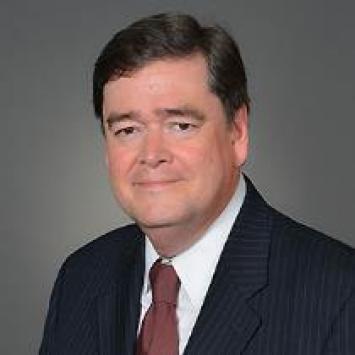
Ask an Advisor: What does the One Big Beautiful Bill Act Means for Business Owners? Top Tax Takeaways

A bald man in a blue suit and pink tie smiles in an office setting. The background is blurred, showing a modern workspace with bright lighting and glass walls.
Image Credit: Wealthtender

The One Big Beautiful Bill Act (OBBBA) introduced several important tax law changes that will impact business owners. Understanding these updates can help you plan proactively and take full advantage of the available opportunities to reduce taxable income, reinvest in your business, and strengthen your long-term financial position.

Enhanced qualified business income (QBI) deduction (Sec 199A)

The Tax Cuts and Jobs Act (TCJA) introduced a new tax deduction in 2018 for business owners with the Qualified Business Income (QBI) deduction under Section 199A, which allows eligible pass-through business owners (i.e., sole proprietorships, partnerships, S Corp.) to deduct up to 20% of their QBI or their total taxable income (minus capital gains), whichever is less. OBBBA made this deduction permanent, with only minor adjustments. However, there are income phaseout ranges that reduce or eliminate the deduction for higher earners.

  • Specified Service Trades or Businesses (SSTBs) – like consultants, accountants, doctors, and attorneys – see the deduction gradually phased out as income rises and is completely eliminated above the phaseout range.
  • Non-SSTB businesses also experience a phase-down, but not to zero. Instead, their deduction is limited by the Wage and Depreciable Property (WDP) test, which equals the greater of:
    • 50% of W-2 wages paid by the business, or
    • 25% of W-2 wages plus 2.5% of the business’s qualified depreciable property.

In simpler terms, service businesses lose the deduction entirely once income exceeds the threshold, while other businesses retain a partial deduction based on their payroll and property.

Starting in 2026, a new rule introduces a minimum $400 deduction for anyone with at least $1,000 in active QBI—provided they meet the material participation requirements (meaning they are actively involved in running the business). This change is aimed at helping smaller side businesses, rather than larger, more established ones.  (Section 70105)

Increased Phaseout Ranges for Higher-Income Business Owners

Beginning in 2026, OBBBA amended Section 199A to completely phase out the deduction at slightly higher taxable income levels. Business owners with taxable income over the applicable threshold are subject to a phaseout range of $150,000 (joint filers), up from $100,000. The deduction will be completely phased down to $0 for SSTB owners or to the WDP limit for non-SSTB owners.  (Section 70201)

100% Bonus Depreciation of Business Property

First-year depreciation (Sec. 168) has been phasing down under TCJA, however OBBBA permanently restored this “bonus” depreciation to 100% for business property placed in service after January 19, 2025. Eligible business property can therefore be fully expensed this year rather than depreciating over multiple years.  (Section 70301)

Qualified Small Business Stock

Prior to OBBBA, Sec. 1202 provided qualified small businesses with an exclusion of gains on stock issued prior to the business having more than $50 million of assets as well as being held for five years.  The new law increases the gain from qualified small business stock (QSBS) acquired after July 4, 2025, to $75 million, helping more businesses to qualify. The maximum Sec. 1202 capital gain exclusion increased to $15 million, up from $10 million. Additionally, it provides partial gain exclusion of 50% if it is held between three and four years, 75% if held between four and five years, and 100% for five years or more.

An important distinction is the act applies only to stock acquired after the OBBBA enactment, therefore any stock acquired prior must still be held for at least five years to be eligible for gain exclusion.  (Section 70431)

Sec. 179 Expensing

Section 179 of the IRS tax code was created to encourage business owners to invest in themselves by allowing a full cost deduction of certain property as an expense when it is initially placed in service, as opposed to depreciating over many years. The act increases the maximum amount a taxpayer may expense to $2.5 million (up from $1 million), reduced by the amount by which the cost of qualifying property exceeds $4 million (up from $2.5 million).  (Section 70306)

Excess Business Loss Limitation

OBBBA makes the limitation on excess business losses of noncorporate taxpayers permanent, which would have expired in 2028. Beginning in 2026, it will reset the amount to $500,000 (joint filers) with inflation adjustments thereafter.  (Section 70601)

Limitation on Business Interest

The act reinstated a prior rule allowing businesses to calculate their adjusted taxable income without a deduction for depreciation, amortization, and depletion, thereby allowing a larger deduction of business interest.  (Section 70303)

Employer-provided childcare credit

To encourage employers to offer on-site or subsidized childcare programs to employees, beginning in 2026, the act will increase the amount of employer-provided childcare credit from 25% to 40%. For eligible small businesses, the credit is increased to 50% of qualified childcare expenses.  (Section 70401)


There are additional tax changes affecting high-net-worth taxpayers, which you can read in my article: Tax Law Changes from One Big Beautiful Bill Act That Every High-Net-Worth Taxpayer Should Know.


Have a Question to Ask a Financial Advisor?

When you’re uncertain about money matters, submit your question to Wealthtender, and it may be answered by a financial advisor in an upcoming article or in the Wealthtender Expert Answers Forum.

Need personalized help? Visit wealthtender.com to find the right financial advisor for your unique needs.

This article was originally published on Wealthtender and is intended for informational purposes only and should not be considered financial advice. You should consult a financial professional before making any major financial decisions. Wealthtender earns money from financial professionals, which creates a conflict of interest when these professionals are featured in articles over others. Read the Wealthtender editorial policy and terms of service to learn more. Wealthtender is not a client of these financial services providers.

About the Author

John Foligno, CMC®
John Foligno, CMC® Providing tax-efficient financial counsel to professionals and business owners.
Areas of Focus
Financial Life Planning Investment Management Business Owners Retirement Planning Taxes
Compensation Methods
Fee Only Flat Fee Offers Advice-Only Services Percentage of Assets Managed

John Foligno, CMC® | Grand Life Financial

[Exchange-Traded Funds (ETFs) have matured from niche products to become a core component of modern investment strategies. But their rapid rise and ever-growing diversity have placed pressure on financial advisors, institutional investors, and financial research professionals in learning how to navigate a growing global pool of disparate ETF vehicles. This higher level of complexity on research, due diligence, analysis, selection, and portfolio construction has spawned the need for single focus conferences to more thoroughly explore an increasingly intricate universe of Exchange-Traded Products (ETPs).

To learn about the behind-the-scenes strategy and mechanics of how a major industry ETF Conference is designed for the needs its audience, we reached out to Trammel Robinson, Director, ETF Issuer Relations at ETF Global – a leading, independent provider of enterprise-grade ETF reference data, analytics, and hosts of their twice-a-year ETP Forums dedicated exclusively to the global Exchange-Traded Products (ETP) ecosystem.

Beyond ETF data and tools, their semi-annual ETP Forums have become the largest one-day ETF conferences in the industry. These forums bring together top ETF issuers, analysts, and investment professionals to share perspectives on identifying market and product trends, decoding regulatory updates, and exploring emerging and innovative portfolio strategies. They function as a central hub for collaboration in the ETF ecosystem.

We asked Trammel to share with us the thinking and planning behind assembling their ETF industry events and give us a sneak peek at what they have orchestrated for their upcoming November 18, 2025 ETP Forum at the New York Athletic Club in New York City.]

Hortz: What has been your goal in originally launching and actively sustaining two ETP Forums a year? Why is the effort important?

Robinson: We have two primary goals with our Exchange Traded Product (ETP) conferences. The first is to deliver the best content presented by the most knowledgeable people in the ETP industry. We have always placed great emphasis on the quality of our panels and the professionals who participate in them – individuals from ETF firms, leading industry vendors, and partners who can address the most important and timely topics shaping the industry. The caliber of the people involved in these discussions has always been our top priority.

The second key goal is networking. These conferences are business-first events. We are proud to host such an event in the financial capital of New York at the prestigious New York Athletic Club. It is about gaining insights and creating connections that can lead to meaningful, actionable decisions in the marketplace.

We host two Forums each year for a reason. Our Fall Forum serves as a review of the ETP industry’s progress to date and explores what the coming year may bring, what trends we can project, and what will drive discussions in the next cycle. Our Spring Forum focuses on where the industry currently stands, addressing the most pressing issues and emerging trends, and considering what actions or shifts are likely to shape the immediate future.

Ultimately, both ETP Forums center on what is happening right now in the industry. Holding them twice a year allows us to maintain that immediacy. A single annual event would leave us questioning whether to look backward or forward, but by gathering twice a year, we can do both in a timely and relevant way.

Hortz: Now in your 13th year, how have you newly-expanded the ETP Forum for 2025?

Robinson: Historically, the conference was very focused on the ETF industry, primarily the issuers, custodians, administrators, and service providers. About two years ago, we began discussing who attends other ETF conferences and what they are seeking to gain from them. Through that discussion, we identified the key types of participants.

We started with the ETF issuers, which include their service providers. Their goal is to connect with the people who will directly invest assets into their products. On the other side are the ETF investors, wealth managers, endowments, family offices, RIAs, and others. We asked ourselves how we could provide the greatest value to both groups at the same time. Hearing directly from the product creators provides invaluable insights into ETF strategies, creating a transparent path to understanding these products more deeply.

The decision was to expand our Forum structure to address each group’s needs through two separate informational tracks. Having two tracks does not limit anyone from attending sessions in either track. Instead, it allows us to tailor the content to each audience while still capturing the broader needs and priorities of the ETF market as a whole.

Hortz: Tell us more about the nature of the two tracks. How are each separately constructed?

Robinson: Let us start with the ETF investor side. We begin with topics such as actively managed ETFs and how they continue to dominate new ETF issuances. We cover crypto ETFs, defined outcome ETFs, fixed income ETFs, options-based ETFs, and top opportunities for 2025 and 2026. In essence, we focus on the actual products that participants invest in. We take the discussion a step further by engaging directly with the people who create these products. We ask them why they chose to develop these products, what makes them beneficial, and what challenges they experience during the creation and distribution process.

Our goal is to have the product creators and managers speak directly to investors about the thinking behind their offerings and why they believe a product succeeded. Hearing directly from the people responsible for these products provides invaluable insight.

The investor track is designed for professional investors, wealth managers, and family offices who are seeking new products or looking for opportunities that align with their firm’s strategies. At the same time, some participants may be clients of these investors and have the opportunity to hear directly from them and engage with specific questions. The focus of the investor track is to highlight products and trends that investors want to learn about, directly from the managers behind those ETF offerings.

The industry track, on the other hand, is geared toward the business side of ETFs. Participants in this track are often ETF managers and issuers who want to hear from major exchanges, legal and compliance professionals, and other service providers. They are interested in understanding why they should list their products on one exchange versus another, what legal and compliance topics they should be considering and discussing, and which service providers can give them the best value. This track also includes trading-focused panels, mutual fund-to-ETF conversions, strategies for maximizing visibility and distribution and much more.

Hortz: How do you go about planning and developing a Forum? How do you pick topics and build an agenda?

Robinson: While I take a leadership role in the process, we rely on the entire team to make it happen. It truly takes a village. We start by identifying the key topics and strive to keep the panels as fresh and relevant as possible. We look at the current market environment, new product launches, recent SEC regulations, and any emerging hot topics or news about innovative product announcements. All of these factors guide us in curating the most compelling and timely content.

Once we determine the topics, we focus on sourcing the most relevant experts to speak on those subjects, ensuring that each session presents timely and meaningful discussions led by the highest-quality experts in the field.

Hortz: Can you share what are some of the key themes or interesting topics for the upcoming Fall ETP Forum in NYC? 

Robinson: There are two new topics I can highlight now. One of them is a panel focused on the distribution of ETFs. We understand that an issuer can have the best product, but if no one knows about it, it will be hard to sell and ultimately gain assets. This panel will discuss some of the main strategies ETF issuers should and should not implement in their own distribution process.

The second topic is the rise of UCITS and global ETFs. As the growth of ETFs continues not only domestically but also globally, many U.S.-listed companies are starting to place their ETFs into UCITS wrappers to make them tradable in European markets. This marks a fundamental shift in the ETF landscape and an increased focus on the European market.

Hortz: Anything else we should know about the Forum and why industry professionals should come to the event?

Robinson: It is clear that our Forums are business-first conferences. We are intentional and deliberate in how we design them to ensure that firms can justify sending their people away from their desks, knowing they will gain real value from the experience. We want participants to benefit from the ETP Forum in a meaningful way and see a return on the time, effort, and resources they invest to attend.

That value may come from the high-level education offered in panel discussions or from insightful conversations with fellow attendees, whether through panel insights or networking sessions in the intimate setting of the New York Athletic Club. Our approach to the ETP Forum’s structure and design is centered on ensuring participants leave with actionable insights and lasting connections that help them better serve their firms and clients.

This article was originally published here and is republished on Wealthtender with permission.

About the Author

A middle-aged man, Bill Hortz, with short dark hair wearing a dark pinstripe suit, white dress shirt, and a maroon tie, posing against a plain gray backdrop. He has a slight smile and is looking directly at the camera.

Bill Hortz

Founder Institute for Innovation Development

Bill Hortz is an independent business consultant and Founder/Dean of the Institute for Innovation Development- a financial services business innovation platform and network. With over 30 years of experience in the financial services industry including expertise in sales/marketing/branding of asset management firms, as well as, creatively restructuring and developing internal/external sales and strategic account departments for 5 major financial firms, including OppenheimerFunds, Neuberger&Berman and Templeton Funds Distributors. His wide ranging experiences have led Bill to a strong belief, passion and advocation for strategic thinking, innovation creation and strategic account management as the nexus of business skills needed to address a business environment challenged by an accelerating rate of change.