Find financial advisors in Sedona, Arizona ready to help with your financial planning needs so you can enjoy life more with less money stress.

Whether you have lived in Sedona for years or recently moved to town, you may need help finding the right financial advisor in the community best suited for your individual needs.

It’s important to first consider your own financial planning priorities before choosing an advisor. Here are a few quick tips to help you get started along with financial advisors in Sedona featured on Wealthtender you may want to add to your shortlist.

As you prepare to interview financial advisors in Sedona who may be right for you, get to know local financial advisors featured on Wealthtender.

📍 Map: Financial Advisors with their Primary Office Location in Sedona

Double-click (or pinch the map on mobile devices) to zoom in and expand the details for financial advisors whose primary office location is in Sedona.

📍Double-click or pinch pins to view more.

Showing

The Benefits of Hiring a Financial Advisor in Sedona

Hiring a financial advisor can be a great move to help you build a long-term investing strategy. Advisors can help you build an investment portfolio to meet your financial goals and help you plan appropriately for retirement.

As a resident living in Sedona, hiring a financial advisor who lives nearby and understands the local economy, cost of living, and regional employers can be quite valuable, especially if your individual circumstances are deeply tied to such factors.

Do you work for one of the largest employers in Sedona? If so, there’s a good chance the local financial advisor you hire will also have other clients who work there. This knowledge could prove valuable if they are already familiar with your employee benefits, such as a 401(k) plan, Health Savings Accounts, and other components of your total compensation package.

When you reach out to financial advisors you’re considering hiring, let them know where you work and ask if they are familiar with your employer’s unique benefits and compensation structure.

Quick Tips For Hiring an Sedona Financial Advisor

Before hiring a financial advisor in Sedona, here are a few quick tips to help you find the best advisor for you.

1. Decide Which Services You Need

Before hiring an advisor, determine what services you need from them. Whether it’s full-service investment management or a plan focused on a specific area of your finances, put together a list of what you’d like help with before contacting an advisor.

Though most people use a financial planner simply to invest for retirement, this is only a small part of what many advisors offer. Here’s a quick rundown of potential services a financial advisor may offer you:

  • Budgeting and money management
  • Debt management
  • Insurance planning
  • Retirement planning
  • Other investment planning
  • Inheritance planning
  • Estate planning
  • Tax planning

As you can see, financial advisors can help you with your entire financial picture, not just investing. As you start to plan for life’s bigger milestones, you should consider finding a financial advisor that specializes in those areas.

Finding the right advisor can help you minimize risk, maximize gains and take advantage of tax breaks while investing for your future. They can also help you protect your assets with the right kinds of insurance and help you pass on your financial legacy with a proper estate plan.

2. Consider Your Budget and Payment Preferences

Once you have a list of services you would like, review the fee structures financial advisors offer. Finding a balance between the services you need and the cost of those services will help narrow down the field of advisors you may want to work with.

If you are looking for a full-service advisor to manage all of your investments, consider searching among fee-based financial advisors. If you want to manage your money yourself, consider the flat fee and monthly subscription advisors for ongoing support.

3. Interview Multiple Financial Advisors

Once you have chosen the services and fee structure you prefer, it’s time to contact a few advisors and interview them. Here are questions to ask financial advisors:

  • What services do you provide?
  • What are all the ways you get paid? (fee transparency)
  • What is your investment strategy?
  • How do you measure investment performance?
  • How do we communicate about my plan?

Interview multiple advisors to get a feel for who you want to work with. A combination of fees, services, and customer service will help you determine the best fit for your financial advice.

4. Review Financial Advisor Credentials

Once you find an advisor (or two) you feel comfortable with, it’s always a good practice to check their credentials and the firm’s details. You can do this at the Investment Adviser Public Disclosure (IAPD) website

You can check both the individual and the firm to view their background and experience details, as well as any disciplinary action taken against them or their firm.

As licensed financial professionals, there is oversight into how financial advisors conduct business, so running a quick (free) check on them is recommended.

For additional information about advisor credentials, read our article to learn the most popular designations held by financial advisors, as well as specialized credentials which may be important to consider if you have unique financial planning needs.


Frequently Asked Questions & Additional Resources

How do I know if I’m ready to hire a financial advisor?

You should strongly consider hiring a financial advisor if you have a significant amount of money available for saving or investing. This could occur after years of making annual contributions to a retirement plan like a 401(k) through your employer or suddenly if you receive a large inheritance or sell your house for a large profit.

But even if you don’t have a lot of money saved, many financial advisors and planners provide reasonable pricing options and valuable services you should consider, especially if you’re facing a significant life event. For example, if you’re starting a new job, getting married, starting a family, getting divorced, lost your job, starting or selling a business, or approaching retirement age, working with a trusted financial advisor or planner may prove worthwhile.

Before I hire a new financial advisor, should I fire my current advisor?

You don’t need to fire your current advisor before beginning your search for a new financial advisor. In fact, your new advisor can help coordinate the transition of your assets from your previous financial advisor.

Where can I read reviews about financial advisors written by their clients to help me decide if I should hire them?

After 60 years of regulatory prohibition of financial advisor reviews in the US, a rule issued by the Securities and Exchange Commission (SEC) became effective on May 4, 2021 that means both financial advisors and directory websites that help consumers search for a financial advisor can collect and display financial advisor reviews, an important factor worth considering when choosing who you’ll hire to manage your investments and life savings. 

Wealthtender is the first independent advisor review platform designed to be fully compliant with the new SEC rule, and we look forward to helping you evaluate financial advisors based on reviews written by their clients.

I’m a local financial advisor interested in being featured in this guide. How do I get started?

Thanks for your interest. We look forward to learning more about your practice and helping you attract your ideal clients where you may be a good fit based on their individual needs and circumstances. Please click here to learn how you can join local financial advisors featured on Wealthtender.

How Much Does a Financial Advisor Cost?

➡️ How Much Does a Financial Advisor Cost? Read the Article

About the Author
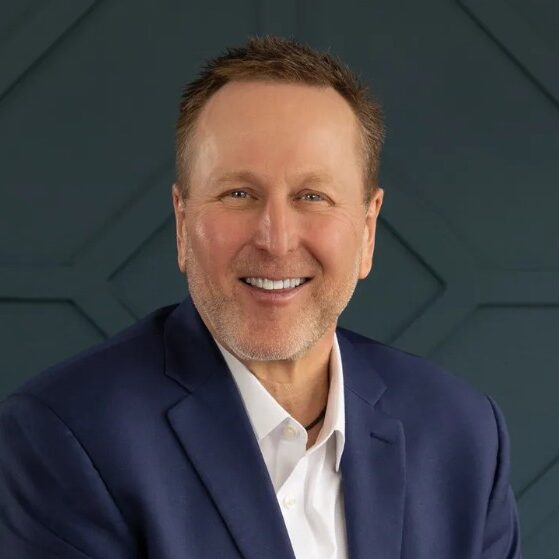
A headshot of Brian Thorp, the founder and CEO of Wealthtender

About the Author

Brian Thorp

Brian is CEO and founder of Wealthtender and Editor-in-Chief. He and his wife live in Austin, Texas. With over 25 years in the financial services industry, Brian is applying his experience and passion at Wealthtender to help more people enjoy life with less money stress. Learn More about Brian

Discover financial advisors trusted by Phoenix residents in the only local directory featuring 5-Star Certified Advisor Review™ recipients and Wealthtender Voice of the Client Award™ winners—recognition earned for exceptional client feedback. Compare fiduciary, fee-only advisors, CFP® professionals, and specialists to find the right fit for your unique financial needs.

Thousands of people visit Wealthtender each month to find and compare financial advisors based on their location, education, experience, areas of specialization and online reviews. Wealthtender’s Certified Advisor Reviews™ help consumers make informed hiring decisions with important details about the relationship between reviewers and advisors always displayed to ensure you gain the transparency you deserve when your life savings could be at stake.

Types of Financial Advisors You’ll Find on Wealthtender

On Wealthtender, you can explore a diverse range of financial advisors and wealth management firms that include:

  • Fiduciary advisors committed to acting in clients’ best interests
  • CFP® professionals with advanced financial planning credentials
  • Fee-only advisors compensated solely by clients
  • Advisors for growing families, people nearing retirement, and business owners
  • Specialists across multiple categories (e.g., life stage, occupation, ethnicity, lifestyle, religion)
  • Highly-rated advisors with positive client reviews
  • Firms of varying sizes with advisors who can meet with you in person or online
  • Fee-based advisors who offer access to insurance and alternative investments

Financial Advisor Directory for Phoenix, Arizona

How to use this directory: Compare financial advisors in the Phoenix area based on what matters most to you. Use the directory to:

  • View advisor profiles to evaluate credentials, services, and areas of specialization
  • Read Certified Advisor Reviews™ to learn what clients value most
  • Identify advisors recognized with Wealthtender Voice of the Client Awards™
  • Contact advisors and schedule free introductory video calls

📍 Map: Financial Advisors with their Primary Office Location in Phoenix

Double-click (or pinch the map on mobile devices) to zoom in and expand the details for financial advisors whose primary office location is in Phoenix.

📍Double-click or pinch pins to view more.

Showing

📍 Additional Advisors Who Serve Clients in Phoenix

In addition to the advisors featured above, these advisors can also meet with you in person in Phoenix.

Wealthtender Voice of the Client Awards™: Top Rated Phoenix Financial Advisors

Wealthtender Voice of the Client Awards™ recognize financial advisors and firms that consistently earn exceptional client feedback. Below are Phoenix-area advisors and firms that have met the criteria for Highly Rated recognition.

Firm/Advisor Firm City State Voice of the Client Award Website
Winston Waring, ChFC®, CLU® The Ameriflex® Group Scottsdale Arizona 2026 Highly Rated Advisor Website
Vincent Rossi, MS, CFP®, CIMA®, AEP®, CAP® Intelligent Capitalworks Scottsdale Arizona 2026 Highly Rated Advisor Website
Intelligent Capitalworks Intelligent Capitalworks Scottsdale Arizona 2026 Highly Rated Firm Website
Charles Rossi, MS, MTax, CFA, CPWA®, CFP®, AEP®, CAP® Intelligent Capitalworks Scottsdale Arizona 2026 Highly Rated Advisor Website
Endeavor Advisors Endeavor Advisors Phoenix Arizona 2025 Highly Rated Firm Website
Charles Luong, ChFEBC℠ Endeavor Advisors Phoenix Arizona 2025 Highly Rated Advisor Website
James Regan, AIF®, RICP®, NSSA® Valor Legacy Wealth Scottsdale Arizona 2025 Highly Rated Advisor Website

To qualify for a Highly Rated award, advisors and firms must achieve an average client review rating of 4.75 or higher (on a scale of 1 to 5) based on a minimum number of eligible client reviews published on Wealthtender within a defined timeframe for each particular award (Timeframe for 2025 Award: 1/1/24 – 12/31/25; Timeframe for Subsequent Year Awards: July 1 of the preceding year through December 31 of the Award Year (e.g., Timeframe for 2026 Award 7/1/25 – 12/31/26). Eligible reviews are limited to clients (as of the review submission date) that advisors/firms must self-attest have no material conflicts of interest and received no compensation in exchange for their reviews. ↗️ View full award methodology & FAQs

Although financial advisors and wealth management firms compensate Wealthtender for marketing services (including eligibility to be considered for awards), Wealthtender’s award criteria is objective and not influenced by compensation. Wealthtender Voice of the Client Awards are not a guarantee of future performance or success and client reviews may not be representative of the experience of all past or future clients.

Frequently Asked Questions

What makes a financial advisor “trusted”?
A trusted financial advisor typically earns positive client feedback over time, operates transparently, and clearly explains how they’re compensated. On Wealthtender, trust is reflected through Certified Advisor Reviews™ that combine insights into the client experience and character of advisors with important disclosures about each reviewer to ensure you gain the transparency you deserve when your life savings could be at stake.

Financial advisors and wealth management firms that consistently receive superior client reviews can also qualify for Wealthtender’s Voice of the Client Awards™ designed to recognize America’s most trusted advisors. Learn More About Wealthtender Voice of the Client Awards™
What are Certified Advisor Reviews™?
Certified Advisor Reviews™ from Wealthtender help consumers make smarter hiring decisions when choosing a financial advisor.

Clients and other individuals can submit reviews for financial advisors and wealth management firms that have turned on the reviews feature. Before each review is publicly displayed, financial advisors agree to disclose important information about their relationship with the reviewer to ensure consumers gain the transparency they deserve when their life savings could be at stake. These disclosures also help financial advisors satisfy compliance with industry regulations.

After financial advisors provide the required disclosures, Wealthtender publishes the review with the Certified Advisor Review™ mark. Learn More About Certified Advisor Reviews™
Can I find fiduciary financial advisors on Wealthtender?
Yes, you’ll find hundreds of fiduciary financial advisors on Wealthtender. Fiduciary financial advisors must act in their clients’ best interest. Before hiring an advisor, always ask if they will act in your best interest as a fiduciary.

For example, financial advisors who have earned their Certified Financial Planner (CFP) designation are fiduciaries. To hold themselves out as a CFP, these credential holders must acknowledge they will adhere to the CFP Board’s Code of Ethics and Standards of Conduct and act as a fiduciary when providing financial advice to their clients. Learn More About Fiduciary Financial Advisors
Can I find fee-only financial advisors on Wealthtender?
Yes, you’ll find hundreds of fee-only financial advisors on Wealthtender. Fee-only financial advisors are paid directly by their clients. Since they aren’t compensated based on the products and services they recommend (e.g., commissions), their compensation model helps reduce potential conflicts of interest.

When viewing financial advisor profiles on Wealthtender, look for the Compensation Methods section that shows ways each financial advisor can be paid for their services, including if they offer fee-only financial planning services. Learn More About Fee-Only Financial Advisors
What distinguishes Wealthtender Voice of the Client Awards™ from other advisor recognition programs?
Wealthtender’s Voice of the Client Awards™ recognize financial advisors and wealth management firms that consistently receive superior client reviews. Unlike award programs with ranking factors that favor financial institutions with the most assets and the fastest revenue growth, the Wealthtender Voice of the Client Awards provide both local financial advisors who choose to remain small and large wealth management firms with the opportunity to be recognized on a metric that matters more to consumers – actual client feedback reflecting the quality of their experience. Learn More About Voice of the Client Awards™

The Benefits of Hiring a Financial Advisor in Phoenix

Hiring a financial advisor can be a great move to help you build a long-term investing strategy. Advisors can help you build an investment portfolio to meet your financial goals and help you plan appropriately for retirement.

As a resident living in Phoenix, hiring a financial advisor who lives nearby and understands the local economy, cost of living, and regional employers can be quite valuable, especially if your individual circumstances are deeply tied to such factors.

Who are the largest employers in Phoenix?

Phoenix is home to many of the top companies and brand names in the world. The largest employers in the Phoenix area provided by the City of Phoenix include:

  • Banner Health
  • American Express
  • Honeywell
  • Amazon
  • Fry’s Food Store
  • Dignity Health
  • Chase
  • Bank of America
  • U Haul

Do you work for one of the largest employers in Phoenix? If so, there’s a good chance the local financial advisor you hire will also have other clients who work there. This knowledge could prove valuable if they are already familiar with your employee benefits, such as a 401(k) plan, Health Savings Accounts, and other components of your total compensation package.

When you reach out to financial advisors you’re considering hiring, let them know where you work and ask if they are familiar with your employer’s unique benefits and compensation structure.

Quick Tips For Hiring a Phoenix Financial Advisor

Before hiring a financial advisor in Phoenix, here are a few quick tips to help you find the best advisor for you.

1. Decide Which Services You Need

Before hiring an advisor in Phoenix, determine what services you need from them. Whether it’s full-service investment management or a plan focused on a specific area of your finances, put together a list of what you’d like help with before contacting an advisor.

Though most people use a financial planner simply to invest for retirement, this is only a small part of what many advisors offer. Here’s a quick rundown of potential services a financial advisor may offer you:

  • Budgeting and money management
  • Debt management
  • Insurance planning
  • Retirement planning
  • Other investment planning
  • Inheritance planning
  • Estate planning
  • Tax planning

As you can see, financial advisors can help you with your entire financial picture, not just investing. As you start to plan for life’s bigger milestones, you should consider finding a financial advisor that specializes in those areas.

Finding the right advisor can help you minimize risk, maximize gains and take advantage of tax breaks while investing for your future. They can also help you protect your assets with the right kinds of insurance and help you pass on your financial legacy with a proper estate plan.

2. Consider Your Budget and Payment Preferences

Once you have a list of services you would like, review the fee structures financial advisors offer. Finding a balance between the services you need and the cost of those services will help narrow down the field of advisors you may want to work with.

If you are looking for a full-service advisor to manage all of your investments, consider searching among fee-based financial advisors. If you want to manage your money yourself, consider the flat fee and monthly subscription advisors for ongoing support.

3. Interview Multiple Financial Advisors

Once you have chosen the services and fee structure you prefer, it’s time to contact a few advisors and interview them. Here are questions to ask financial advisors:

  • What services do you provide?
  • What are all the ways you get paid? (fee transparency)
  • What is your investment strategy?
  • How do you measure investment performance?
  • How do we communicate about my plan?

Interview multiple advisors to get a feel for who you want to work with. A combination of fees, services, and customer service will help you determine the best fit for your financial advice.

4. Review Financial Advisor Credentials

Once you find an advisor (or two) you feel comfortable with, it’s always a good practice to check their credentials and the firm’s details. You can do this at the Investment Adviser Public Disclosure (IAPD) website

You can check both the individual and the firm to view their background and experience details, as well as any disciplinary action taken against them or their firm.

As licensed financial professionals, there is oversight into how financial advisors conduct business, so running a quick (free) check on them is recommended.

For additional information about advisor credentials, read our article to learn the most popular designations held by financial advisors, as well as specialized credentials which may be important to consider if you have unique financial planning needs.


Frequently Asked Questions & Additional Resources

How do I know if I’m ready to hire a financial advisor?

You should strongly consider hiring a financial advisor if you have a significant amount of money available for saving or investing. This could occur after years of making annual contributions to a retirement plan like a 401(k) through your employer or suddenly if you receive a large inheritance or sell your house for a large profit.

But even if you don’t have a lot of money saved, many financial advisors and planners provide reasonable pricing options and valuable services you should consider, especially if you’re facing a significant life event. For example, if you’re starting a new job, getting married, starting a family, getting divorced, lost your job, starting or selling a business, or approaching retirement age, working with a trusted financial advisor or planner may prove worthwhile.

Before I hire a new financial advisor, should I fire my current advisor?

You don’t need to fire your current advisor before beginning your search for a new financial advisor. In fact, your new advisor can help coordinate the transition of your assets from your previous financial advisor.

Where can I read reviews about financial advisors written by their clients to help me decide if I should hire them?

After 60 years of regulatory prohibition of financial advisor reviews in the US, a rule issued by the Securities and Exchange Commission (SEC) became effective on May 4, 2021 that means both financial advisors and directory websites that help consumers search for a financial advisor can collect and display financial advisor reviews, an important factor worth considering when choosing who you’ll hire to manage your investments and life savings. 

Wealthtender is the first independent advisor review platform designed to be fully compliant with the new SEC rule, and we look forward to helping you evaluate financial advisors based on reviews written by their clients.

I’m a local financial advisor interested in being featured in this guide. How do I get started?

Thanks for your interest. We look forward to learning more about your practice and helping you attract your ideal clients where you may be a good fit based on their individual needs and circumstances. Please click here to learn how you can join local financial advisors featured on Wealthtender.

How Much Does a Financial Advisor Cost?

➡️ How Much Does a Financial Advisor Cost? Read the Article

About the Author
A headshot of Brian Thorp, the founder and CEO of Wealthtender

About the Author

Brian Thorp

Brian is CEO and founder of Wealthtender and Editor-in-Chief. He and his wife live in Austin, Texas. With over 25 years in the financial services industry, Brian is applying his experience and passion at Wealthtender to help more people enjoy life with less money stress. Learn More about Brian

[The recent merger and reorganization of two microcap funds provide an interesting window into the mechanics of a unique portfolio management process and a deeper understanding of the microcap market. While the two funds seem like a natural fit based on a decades-long history of both managers employing a similar value-based approach to investing in the same universe of stocks, their shared investment philosophy was only the beginning of an intricate process to combine the two portfolios.

To better understand this investment merger process and get an update on the microcap marketplace, we reached out to Eric Kuby, Chief Investment Officer & co-Portfolio Manager, North Star Micro Cap Fund and Michael Corbett, formerly Chief Investment Officer of the Perritt MicroCap Opportunities Fund. They explained their process of combining the two portfolios as an intensely collaborative effort that used a quantitative factor model to score all holdings, followed by qualitative discussions to understand the investment thesis behind each company.

They both strongly believe small and microcap stocks are entering a new cycle of outperformance, citing historical patterns of “serial correlation” where periods of good performance tend to continue for an extended timeframe. We also discussed several timely microcap sub-topics that we explored together, including the impact of AI on smaller companies, the potential for increased M&A activity, and macroeconomic tailwinds like interest rates and tariff pressures.]

Hortz: What are the regulatory processes involved in merging two separate mutual funds?

Kuby: We saw a great opportunity to merge two long-standing microcap mutual funds with a shared philosophy. We made the necessary regulatory filings and received the approval of the Perritt shareholders through proxy solicitation. The entire process took approximately 3 months.

Hortz: Since the merger of the two funds entailed the merger of two different shareholder bases, how does that influence or direct your investment decisions?

Corbett: The good news is that the two shareholder bases share a common objective in holding the Funds, namely an allocation to an actively managed portfolio of microcap companies that meet the classic definition of value stocks.

Hortz: How did you both practically approach this merger? What were your first few steps in the merger process?

Kuby: The process started with months of going through the portfolios and getting everything into shape. The portfolio managers and research analysts from both firms met regularly to review the holdings, one by one. Whereas there were common holdings the North Star team was already very familiar with, there were many Perritt names we were excited to learn about.

Hortz: Can you explain your quantitative factor model and how you used it?

Kuby: The small cap universe includes thousands of companies, so having a systematic way to narrow the field is extremely important. The factor model helps us do exactly that and it is a great way of focusing our attention on a smaller group of companies that warrant the research.

The model ranks companies using several metrics, with each factor assigned a weighting in the overall score. The purpose is two-fold: it helps us quickly identify undervalued companies that are demonstrating improving fundamentals, while also allowing us to monitor how the current portfolio holdings compare to the broader opportunity set.

Importantly, the model is designed to surface opportunities, not make decisions. Companies that rank highly in the quantitative analysis move into our fundamental research process, where we evaluate them through the lens of our proprietary North Star Six Characteristics investment mosaic.

Corbett: That is really the secret sauce of this business. The model helps narrow the field, but the real work is seeing beyond the numbers – What’s the story of the business, and who are the people running it?

Hortz: Can you walk us through a specific example of a stock that scored highly on your quantitative model and one that scored poorly, and detail the subsequent qualitative conversation that determined its place in the new portfolio?

Kuby: A good example is Legacy Housing (LEGH). The stock scored well in our model because the shares are inexpensive and the balance sheet is strong. The story also made sense given our thesis on the housing market. The U.S. continues to face a housing shortage, and Legacy operates in manufactured housing, which provides a more affordable solution. As mortgage rates have ticked down and housing becomes a policy focus, we believe some tailwinds could emerge for that business.

On the other hand, Motorcar Parts of America (MPAA) is a company we have owned in the past and that has screened attractively at times. But more recently, news around the business has highlighted a more challenging operating environment. It is still an interesting company, but when we stepped back and compared it to other opportunities in the portfolio, it was simply less compelling at the time. So, it moved out of the portfolio and into what we call our “Bullpen”, which is essentially our watchlist of companies we continue to follow closely and could revisit.

Hortz: What are the possible effects of interest rates and tariffs on microcap companies?

Kuby: Much of the initial “tariff tsunami” appears to be behind us. That created a period of uncertainty as companies evaluated supply chain exposure and potential cost pressures. But smaller companies often have an advantage in that they tend to be more nimble. Many smaller companies have already adjusted their supply chains, diversified sourcing, or passed through price increases where possible.

Corbett: Interest rates tend to have a more direct influence on the microcap universe. Smaller companies are often more sensitive to financing conditions because they rely more heavily on bank lending. As interest rates stabilize or begin to decline, access to capital improves, borrowing costs fall, and banks become more willing to extend credit. That can be particularly helpful for smaller businesses looking to invest in growth, manage working capital, or pursue acquisitions. When financing conditions improve and economic visibility increases, investor interest often returns to the space. We are beginning to see signs that capital is flowing back toward smaller companies.

Hortz: What do you see as the potential impact of AI on smaller microcap companies?

Corbett: While the big technology companies get most of the attention for innovations in AI, the impact of the technology reaches far and wide. Smaller microcap companies can use AI to achieve greater efficiency in logistics, marketing, and transactions. The implantation of AI will ultimately enhance margins for these companies.

Kuby: If you think back to the DotCom era, many of the long-term winners were companies that simply became better businesses because they embraced the internet. We believe AI can follow a similar path. It is also very difficult today to predict which of the hyperscalers will be the long-term winners and losers, so our focus is less on picking those outcomes and more on identifying companies that will benefit from adopting the technology.

Hortz: From an investment perspective, can you share a few examples of how you are playing AI in your combined portfolio?

Kuby: Across our combined portfolio, we have meaningful exposure to Industrials, Consumer Discretionary, and Financials. For example, in Consumer Discretionary, investments in data analytics, inventory optimization, and supply-chain efficiencies can improve margins and operating discipline. In Industrials, AI-enabled automation and predictive maintenance can drive better asset utilization and cost control, while in Financials, AI tools are increasingly improving underwriting, fraud detection, and customer analytics. Many smaller companies are nimble and can implement these tools quickly, which may allow them to compete more effectively against larger competitors.

Corbett: We have invested in companies such as Bel Fuse (BELFB) that supply products to the AI innovators, but we have recently turned our attention to more companies that will use AI in their businesses, such as EZCorp (EZPW). EZCorp is a chain of pawn shops that uses AI to implement more sophisticated pricing.

Hortz: Any other microcap companies in your portfolio that you would like to discuss which provide further examples and insights into your stock selection process?

Kuby: Acme United (ACU) is really the poster child for our investment strategy. It checks every box in our Six Characteristics framework. It is a simple business selling safety, first-aid, and cutting tools – products used every day. The company has strong brands, recurring revenue through first-aid refill kits, and extensive distribution with the major retailers.

What stands out most is the exceptional management team, led by CEO Walter Johnsen, who has a long track record of disciplined, shareholder-focused capital allocation. The company has grown steadily across multiple economic cycles while maintaining a strong balance sheet, compounding value through several successful bolt-on acquisitions, operational improvements, and consistent free cash flow. Despite this, the stock has historically traded at valuations that do not fully reflect the quality and durability of the business.

Hortz: With the potential for a small cap and microcap outperformance cycle and renewed M&A activity, what one or two key characteristics make a microcap company an attractive buyout target in the current environment?

Corbett: I have usually answered this kind of question with: “We never purchased companies with the intention of them being bought out. But high-quality companies with a niche business may ultimately be bought out.”

I would also say that today’s environment is attractive for M&A, driven by reduced regulation, favorable interest rates, and lower valuations in the microcap universe. Dr. Gerald W. Perritt used to talk about how stocks often perform in streaks of overperformance and underperformance. Small cap stocks in particular tend to exhibit serial correlation: once they begin performing well, they often continue performing well for a period of time and get the attention of potential acquirers.

Kuby: We really have not seen that kind of sustained period for small caps in quite a while. But when you look at the combination of current valuations and improving earnings growth, the space may be setting up for a very constructive period ahead.

Valuations across the small cap and microcap universe remain relatively attractive, which creates opportunities for larger companies looking to acquire growth or niche capabilities at reasonable prices. So, while we do not buy companies because we think they will be acquired, we do believe that many of the businesses we own possess characteristics that make them logical acquisition candidates over time, particularly in a market environment that is becoming more conducive to deal activity.

Hortz: How would you characterize to shareholders and financial advisors the new composition of the fund resulting from the merger? What specific portfolio statistics or risk metrics improved most significantly through this combination?

Kuby: Several portfolio metrics improved meaningfully through the combination. The portfolio’s long-term EPS growth estimate increased to 15.0% from 13.2%, while valuation measures became more attractive: price-to-sales declined substantially from 1.5x to 1.1x, EV/EBITDA improved from 11.7x to 10.0x, and forward P/E decreased from 18.8x to 14.6x. In other words, the combined portfolio reflects better value characteristics while also offering higher expected growth.

Corbett: The North Star Micro Cap Fund (NSMVX) represents the best ideas from two investment teams that have each spent decades dedicated to the small cap universe. From a structural standpoint, the combination improved diversification and lowered the expense ratio, which are both meaningful benefits for shareholders.

This article was originally published here and is republished on Wealthtender with permission.

About the Author

A middle-aged man, Bill Hortz, with short dark hair wearing a dark pinstripe suit, white dress shirt, and a maroon tie, posing against a plain gray backdrop. He has a slight smile and is looking directly at the camera.

Bill Hortz

Founder Institute for Innovation Development

Bill Hortz is an independent business consultant and Founder/Dean of the Institute for Innovation Development- a financial services business innovation platform and network. With over 30 years of experience in the financial services industry including expertise in sales/marketing/branding of asset management firms, as well as, creatively restructuring and developing internal/external sales and strategic account departments for 5 major financial firms, including OppenheimerFunds, Neuberger&Berman and Templeton Funds Distributors. His wide ranging experiences have led Bill to a strong belief, passion and advocation for strategic thinking, innovation creation and strategic account management as the nexus of business skills needed to address a business environment challenged by an accelerating rate of change.

Find financial advisors in Columbia, South Carolina ready to help with your financial planning needs so you can enjoy life more with less money stress.

Whether you have lived in Columbia for years or recently moved to town, you may need help finding the right financial advisor in the community best suited for your individual needs.

It’s important to first consider your own financial planning priorities before choosing an advisor. Here are a few quick tips to help you get started along with financial advisors in Columbia featured on Wealthtender you may want to add to your shortlist.

As you prepare to interview financial advisors in Columbia who may be right for you, get to know local financial advisors featured on Wealthtender.

📍 Map: Financial Advisors with their Primary Office Location in Columbia

Double-click (or pinch the map on mobile devices) to zoom in and expand the details for financial advisors whose primary office location is in Columbia.

📍Double-click or pinch pins to view more.

Showing

📍 Additional Advisors Who Serve Clients in Columbia

In addition to the advisors featured above, these advisors can also meet with you in person in Columbia.

The Benefits of Hiring a Financial Advisor in Columbia

Hiring a financial advisor can be a great move to help you build a long-term investing strategy. Advisors can help you build an investment portfolio to meet your financial goals and help you plan appropriately for retirement.

As a resident living in Columbia, hiring a financial advisor who lives nearby and understands the local economy, cost of living, and regional employers can be quite valuable, especially if your individual circumstances are deeply tied to such factors.

Do you work for one of the largest employers in Columbia? If so, there’s a good chance the local financial advisor you hire will also have other clients who work there. This knowledge could prove valuable if they are already familiar with your employee benefits, such as a 401(k) plan, Health Savings Accounts, and other components of your total compensation package.

When you reach out to financial advisors you’re considering hiring, let them know where you work and ask if they are familiar with your employer’s unique benefits and compensation structure.

Quick Tips For Hiring an Columbia Financial Advisor

Before hiring a financial advisor in Columbia, here are a few quick tips to help you find the best advisor for you.

1. Decide Which Services You Need

Before hiring an advisor, determine what services you need from them. Whether it’s full-service investment management or a plan focused on a specific area of your finances, put together a list of what you’d like help with before contacting an advisor.

Though most people use a financial planner simply to invest for retirement, this is only a small part of what many advisors offer. Here’s a quick rundown of potential services a financial advisor may offer you:

  • Budgeting and money management
  • Debt management
  • Insurance planning
  • Retirement planning
  • Other investment planning
  • Inheritance planning
  • Estate planning
  • Tax planning

As you can see, financial advisors can help you with your entire financial picture, not just investing. As you start to plan for life’s bigger milestones, you should consider finding a financial advisor that specializes in those areas.

Finding the right advisor can help you minimize risk, maximize gains and take advantage of tax breaks while investing for your future. They can also help you protect your assets with the right kinds of insurance and help you pass on your financial legacy with a proper estate plan.

2. Consider Your Budget and Payment Preferences

Once you have a list of services you would like, review the fee structures financial advisors offer. Finding a balance between the services you need and the cost of those services will help narrow down the field of advisors you may want to work with.

If you are looking for a full-service advisor to manage all of your investments, consider searching among fee-based financial advisors. If you want to manage your money yourself, consider the flat fee and monthly subscription advisors for ongoing support.

3. Interview Multiple Financial Advisors

Once you have chosen the services and fee structure you prefer, it’s time to contact a few advisors and interview them. Here are questions to ask financial advisors:

  • What services do you provide?
  • What are all the ways you get paid? (fee transparency)
  • What is your investment strategy?
  • How do you measure investment performance?
  • How do we communicate about my plan?

Interview multiple advisors to get a feel for who you want to work with. A combination of fees, services, and customer service will help you determine the best fit for your financial advice.

4. Review Financial Advisor Credentials

Once you find an advisor (or two) you feel comfortable with, it’s always a good practice to check their credentials and the firm’s details. You can do this at the Investment Adviser Public Disclosure (IAPD) website

You can check both the individual and the firm to view their background and experience details, as well as any disciplinary action taken against them or their firm.

As licensed financial professionals, there is oversight into how financial advisors conduct business, so running a quick (free) check on them is recommended.

For additional information about advisor credentials, read our article to learn the most popular designations held by financial advisors, as well as specialized credentials which may be important to consider if you have unique financial planning needs.


Frequently Asked Questions & Additional Resources

How do I know if I’m ready to hire a financial advisor?

You should strongly consider hiring a financial advisor if you have a significant amount of money available for saving or investing. This could occur after years of making annual contributions to a retirement plan like a 401(k) through your employer or suddenly if you receive a large inheritance or sell your house for a large profit.

But even if you don’t have a lot of money saved, many financial advisors and planners provide reasonable pricing options and valuable services you should consider, especially if you’re facing a significant life event. For example, if you’re starting a new job, getting married, starting a family, getting divorced, lost your job, starting or selling a business, or approaching retirement age, working with a trusted financial advisor or planner may prove worthwhile.

Before I hire a new financial advisor, should I fire my current advisor?

You don’t need to fire your current advisor before beginning your search for a new financial advisor. In fact, your new advisor can help coordinate the transition of your assets from your previous financial advisor.

Where can I read reviews about financial advisors written by their clients to help me decide if I should hire them?

After 60 years of regulatory prohibition of financial advisor reviews in the US, a rule issued by the Securities and Exchange Commission (SEC) became effective on May 4, 2021 that means both financial advisors and directory websites that help consumers search for a financial advisor can collect and display financial advisor reviews, an important factor worth considering when choosing who you’ll hire to manage your investments and life savings. 

Wealthtender is the first independent advisor review platform designed to be fully compliant with the new SEC rule, and we look forward to helping you evaluate financial advisors based on reviews written by their clients.

I’m a local financial advisor interested in being featured in this guide. How do I get started?

Thanks for your interest. We look forward to learning more about your practice and helping you attract your ideal clients where you may be a good fit based on their individual needs and circumstances. Please click here to learn how you can join local financial advisors featured on Wealthtender.

How Much Does a Financial Advisor Cost?

➡️ How Much Does a Financial Advisor Cost? Read the Article

About the Author
A headshot of Brian Thorp, the founder and CEO of Wealthtender

About the Author

Brian Thorp

Brian is CEO and founder of Wealthtender and Editor-in-Chief. He and his wife live in Austin, Texas. With over 25 years in the financial services industry, Brian is applying his experience and passion at Wealthtender to help more people enjoy life with less money stress. Learn More about Brian

Why the first five years after you stop working may determine if your retirement survives, and what to do about it

In this article, we look at:

  • Why the first five years of your retirement are especially dangerous.
  • How sequence-of-returns risk can derail your retirement.
  • What research says about retirement failures.
  • Practical strategies that can protect your retirement plan.
  • What you have to avoid doing to prevent a bad situation from turning much worse.

What We Tend to Focus On

Although I worked for 40 years, for the first 25 of those, I earned too little to set aside much, if anything, for retirement.

That’s why, during the remaining 15 years, I did (almost) everything I could to build up our nest egg. Beyond investing significant amounts each of those 15 years, and picking (mostly) the right funds, I have to acknowledge that luck played a role, too. During that period, the market significantly outperformed its long-term average, giving us a strong tailwind. 

From 2010 to 2025, the S&P 500 achieved a 728% total return (Figure 1), a nominal annualized return of 14.1%, and an inflation-adjusted annualized return of 11.3%. That’s almost 80% higher than 16 years would have returned at a 10% annualized rate.

Line graph from Yahoo Finance shows the S&P 500’s percent growth from 1998 to 2024, with significant rises, dips around 2008 and 2020, and a sharp upward trend after 2020.
Figure 1. From 2010 to 2025, the S&P 500 achieved a 728% total return. That’s a far higher-than-average nominal annualized return of 14.1%, and a real, inflation-adjusted annualized return of 11.3% (Courtesy: Yahoo Finance – https://finance.yahoo.com/chart/%5ESP500TR/).

Between our efforts and favorable markets, by the end of 2025, I reached “work optional” status and decided to mostly retire. I add that word, “mostly,” because I continue to do some consulting work and also get paid for writing these articles.

When You Retire Matters, a Lot!

First, let’s acknowledge that the year you retire can have a massive impact on your retirement portfolio.

Let’s look at inflation-adjusted portfolio value over the course of a 30-year retirement for two hypothetical retirees using the 4% rule. The first, less fortunate one retired in 1966, while the second “chose” to retire at a much more fortunate time, in 1990.

As Figure 2 shows, after 30 years in retirement, the 1990 retiree’s portfolio was worth, after adjusting for inflation, nearly 70% more than its initial value, while the 1966 retiree’s portfolio lost nearly 80% of its initial value. Overall, the difference over 30 years was nearly 8-fold!

Line graph titled “Inflation-Adjusted Portfolio Value over 30 Years” shows two lines: a red line (starting in 1966) declining steadily, and a blue line (starting in 1990) rising overall, both over 30 years.
Figure 2. Inflation-adjusted portfolio values for two hypothetical retirees, who retired in 1966 and 1990, respectively, show the massive impact of when you retire, vis-à-vis market returns. Each retired with $1 million, invested 50/50 in large-cap US stocks (using the S&P 500 as a proxy) and US bonds, and withdrew $40k annually (inflation-adjusted). S&P 500 total return, bond return, and inflation data are from Yale economist Robert Shiller – http://www.econ.yale.edu/~shiller/data.htm.

The Pitfall Most of Us Don’t Consider

It’s possibly the biggest risk to retirement success.

The so-called “sequence of returns risk,” i.e., the order in which market gains and losses happen, may matter more than your average returns. 

Catching a good break here, or a bad one, can make or break retirement success. Especially if your retirement lasts much longer than 30 years.

Take a hypothetical retiree who retired in an “alternate-history” 1990, where market returns for the following 30 years stayed the same, but were reordered such that retirement kicked off with the worst three years, followed by the remaining 27 years in the original order. 

Figure 3 shows that despite having the same 30 years’ worth of annual returns and withdrawing the same $40k in inflation-adjusted dollars, the “alternate 1990” portfolio ended 65% lower than that of the retiree who experienced the actual history of returns from 1990. Instead of gaining nearly 70% over 30 years, the “alternate-history” retiree’s portfolio lost nearly 40%.

Line graph comparing inflation-adjusted portfolio values over 30 years; one line shows the worst 3 years first (lower values), and the other shows a historic sequence (higher values), both using 1990-2019 data.
Figure 3. Inflation-adjusted portfolio values for two hypothetical retirees, who retired in the original 1990 and an “alternate-history” 1990, where the worst 3 years of returns hit first, show the massive impact of the sequence of returns. Each retired with $1 million, invested 50/50 in large-cap US stocks (using the S&P 500 as a proxy) and US bonds, and withdrew $40k annually (inflation-adjusted). S&P 500 total return, bond return, and inflation data are from Yale economist Robert Shiller – http://www.econ.yale.edu/~shiller/data.htm.

That’s bad enough, but it can get much, much worse.

Let’s redo the same exercise with a hypothetical retiree who retired in 1966 vs. one who retired in an “alternate history” 1966. Here, again, the worst three years kicked off their retirement. 

As Figure 4 shows, instead of the already less-than-stellar loss of nearly 80% of portfolio value over 30 years, the “alternate-history” 1966 retiree’s portfolio went to zero by their 25th year of retirement. Imagine being twenty-five years into retirement and realizing your portfolio is all gone!

Line graph comparing inflation-adjusted portfolio values over 30 years; the red line (worst 3 years first) drops sharply, while the blue line (historic sequence) declines gradually; years 1966–1995.
Figure 4. Inflation-adjusted portfolio values for two hypothetical retirees, who retired in the original 1966 and an “alternate-history” 1966, where the worst 3 years of returns hit first, show an even worse impact of the sequence of returns. Each retired with $1 million, invested 50/50 in large-cap US stocks (using the S&P 500 as a proxy) and US bonds, and withdrew $40k annually (inflation-adjusted). S&P 500 total return, bond return, and inflation data are from Yale economist Robert Shiller – http://www.econ.yale.edu/~shiller/data.htm.

Why such a difference, if they experienced the same set of returns, just in a different order?

Indeed, had there been no annual draws, the portfolios of the 1966 retiree and the “alternate” 1966 retiree would have ended at the same value after 30 years. However, the annual draws were drawn in both cases, but the number of shares the “alternate” 1966 retiree would have needed to sell each year to draw the same $40k would have been much greater than for the original 1966 retiree.

Early losses force you to sell more shares when prices are low, leaving fewer shares available when markets recover.

That’s why the alternate 1966 portfolio failed to survive the full 30 years. It lost too much capital in the first three years, so that even when the remaining “better” 27 years arrived, it was too late to recover.

That’s the nightmare scenario retirees fear most.

The lesson is simple but uncomfortable: retirement success depends not only on how much you saved or even on your average market returns throughout retirement. What markets do during your first few years of retirement can be equally critical.

Is This Just Anecdotal or Systematic?

Research shows that sequence-of-returns risk is more than an anecdotal situation.

According to Morningstar’s “The State of Retirement Income: 2025 report, they ran Monte Carlo simulations and required a 90% success rate for a given strategy. In other words, they defined a successful strategy as one that didn’t run out of money in at least 90% of simulated 30-year market scenarios.

They then checked how the 10% scenarios that ran out of money in less than 30 years differed from the 90% of scenarios that didn’t run out. 

They say, “For… the 10% of simulated random trials in which the retiree exhausted their savings before the end of retirement… nearly 70% of these ‘failures’ involved trials in which the retiree’s investments had lost value by the end of year 5 of retirement.

This implies that market returns in your first five years of retirement may well determine whether your retirement plan succeeds or fails. The first five years are especially important because losses during that period permanently damage a portfolio’s ability to recover.

Ben Simerly, CFP®, Financial Advisor & Founder, Lakehouse Family Wealth, also sees sequence of returns risk as a critical consideration, “​As a firm focused on near- and recent retirees, sequence-of-return risk is the biggest monster under the bed that clients don’t know can hurt them.  While most prospective clients ask about what sexy stock or fund tip we have or our pricing structure, I don’t think I’ve ever been asked about an early-retirement or near-retirement recession in a first meeting, or what to do about it.

Omar Morillo CFP ChFC AIF, Founder & Senior Wealth Advisor, Imperio Wealth Advisors agrees, “Sequence-of-returns risk is most dangerous in the early years of retirement, when withdrawals begin, and the portfolio has less time to recover from market declines. A practical way to address this is to first secure the spending required for essential expenses through guaranteed income sources. When those core needs are covered, the rest of the portfolio can remain invested with a longer-term perspective rather than being forced into defensive moves during volatile markets.” 

Put differently, retirement success often depends less on your average long-term returns and more on what markets do during the first five years after you stop working.

Other Risks Early in Retirement

The sequence of returns is indeed a critical risk, but it’s not the only significant risk. Other risks include:

  • Longevity risk: If you live significantly longer than average, your likelihood of running out of money increases.
  • Healthcare expense risk: If you suffer catastrophic medical expenses, you have a greater risk of retirement failure.
  • Inflation risk: If prices rise faster than your portfolio can accommodate, your risk of failure grows. This relates to your personal rate of inflation, given the categories of goods and services you buy, rather than the generic Consumer Price Index (CPI).

Morillo adds another risk, “Long-term care is another financial risk that retirees often underestimate. A prolonged care event can dramatically increase spending, disrupt a portfolio’s withdrawal strategy, and force the liquidation of assets at unfavorable times. Without a plan for that possibility, even well-funded retirements can face significant strain in later years.

Chris Chen CFP, Owner, Insight Financial Strategists, cautions of the opposite risk from the sequence of returns, “I’ve observed that it’s difficult for new retirees to look at their retirement risks holistically. Many who are aware of the sequence of risk returns tend to become too conservative, increasing their inflation risk, especially when the expected life expectancy is long. That happens because many who retire at, say, 65, should expect to live another 30+ years, at least from a retirement planning standpoint. So, the financial conservativeness that retirees gravitate to in order to counter sequence of return risk and not run out of money can translate into too much conservativeness that increases the risk of running out of money in a different way.

How to Mitigate Sequence-of-Returns Risk

As we saw above, the most dangerous years of retirement are usually the first five.

That’s why the strategies below are designed to protect retirees especially during those crucial first years. They can help mitigate the risk that poor early-retirement market returns will eviscerate your portfolio (note that these won’t apply equally for all retirees).

  • Phased retirement: If you and/or your spouse continue to bring in part-time non-portfolio income early in retirement, the impact of a market crash is much more muted. This includes cases where one spouse retires before the other. Related to this, if you can “unretire” for a year or two if your portfolio crashes early in retirement, you can avoid selling depressed assets. My wife and I implement this strategy, as she continues to work for a few more years, and I’m just “mostly retired.”
  • Buckets strategy: Allocating several years’ worth of expenses to bonds lets you cover expenses during a possible bear market early in retirement without selling any equities. Allocating several more years’ worth of expenses to cash lets you cover expenses without selling either equities or bonds, should both suffer negative returns, until markets recover. In our case, I’m keeping a couple of years’ worth of expenses in cash and another three years’ expenses in bonds.
    • Mike Hunsberger, ChFC®, CFP®, CCFC, Owner, Next Mission Financial Planning, agrees, “To protect against sequence of return risk, I typically recommend clients maintain 3-5 years’ worth of spending in liquid, protected investments. This can prevent them from having to take out money if the stock market decreases early in retirement.” Chen also likes the buckets approach, “I use the bucket method to balance the need for low short-term volatility with the need for long-term growth to support a retiree’s lifestyle. I find that it helps create a more stable and more predictable retirement plan.
  • Dynamic withdrawals: Several withdrawal strategies have you reduce your spending if your portfolio value decreases too much. These so-called dynamic strategies include, e.g., the “Guardrails Approach” and the “Risk-Based Guardrails Approach.” Related to this, try to keep your non-discretionary expenses to as low as possible a fraction of your retirement budget. This offers greater flexibility to adjust your spending if and when your strategy requires it. We haven’t had to start drawing on our portfolio yet, but I plan to use a version of the Guardrails Approach once we do.

What Not to Do – How to Avoid Making a Bad Situation Worse

Behavioral finance research shows we feel the pain of loss twice as keenly as we enjoy an equivalent gain. This “loss aversion” creates a psychological trap that’s especially severe if you experience market losses early in retirement.

Before retirement, given that you’re covering expenses from non-portfolio income, market downturns are simply opportunities to buy more assets at a discount. And since most bear markets (losses of more than 20%) reverse in under two years, it’s easier to stay the course.

However, once you retire and live off portfolio income, severe market losses are very triggering. Seeing your portfolio shrink due to market losses, at the same time as it shrinks due to your withdrawals, can be terrifying, even if your plan was designed to accommodate these scenarios.

Brennan Decima, Owner, Decima Wealth Consulting, puts it like this, “One of the biggest risks in retirement is underestimating the impact of a bad market right before or shortly after retirement. Market volatility is an opportunity in the accumulation phase, because regular paycheck contributions take advantage of buying low and speeding up the recovery. However, a major drop in the market around retirement creates quicksand. The market goes down, and now, instead of buying, retirees are forced to sell when the market is down. This risk can be devastating if the right amount of protection is not in place.” 

Another behavioral finance factor, recency bias, makes it feel like the losses you’ve just experienced will continue forever.

When markets crash early in retirement, before you’ve had a chance to experience your plan working well, loss aversion and recency bias can make it incredibly difficult to avoid panic selling your depressed shares, locking in losses, and preventing your portfolio from ever recovering, leading to retirement failure.

The same risk mitigation strategies mentioned above can help you avoid your worst instincts from derailing your retirement plan. The goal isn’t just to optimize your retirement math, but also to make it emotionally sustainable in the face of market crashes.

After all, it isn’t a question of “if” markets will crash, but rather of “when” they will do so. And while you can’t control when market crashes happen, you can design a retirement plan that helps you survive them.

Morillo points out a related mistake: “One of the most common mistakes retirees make is entering retirement without securing a reliable income floor. Many people carefully insure against medical expenses through Medicare supplement coverage, yet they leave themselves fully exposed to market volatility. Establishing a baseline of guaranteed income through sources such as pensions, Social Security, or carefully structured annuities can stabilize a retirement plan and reduce the pressure to sell investments during market downturns.

Hunsberger relates another mistake, “One mistake I see retirees make is underestimating how much they will actually spend in early retirement. Conventional wisdom used to say spending would drop early in retirement. I find that for most retirees, especially early retirees, spending stays level or may actually increase early in retirement as they look to do all the things they put off doing while they were working. Early retirement should be a period of experimentation. Try new things to make sure you have purpose and fulfillment. Both of these things are incredibly important to have a happy retirement.

Simerly adds several things to be more mindful of beyond simple sequence of returns, “The two biggest areas of sequence-of-returns risk that are typically ignored are asset category withdrawal strategies and investments that focus on results rather than costs.  Asset category withdrawal strategies are simply a fancy way to pull cash when markets are down, rather than from the more aggressive investments that need a chance to catch up. In reality, it gets more complex. Do you pull from actual cash? Or money market funds? Or bonds, and which bonds? Or maybe your I-bond account with the treasury department, or should you use the conservative bucket in your advisor’s investment portfolio?  And then how do you refill those asset types after drawing them down? How do you handle the reallocation of funds and the creation of income?  

The reality is that most near-retirees and recent retirees, as well as many advisors, are not thinking about these questions. When trouble strikes, they are winging it and have no downturn strategy in place.  The second issue of investment costs is one that I believe was created by marketers, not by markets. 

“At some point in history, some investment companies realized that if they marketed based on fund cost, it didn’t matter how a fund performed. People flock to low-cost no matter what the outcome. Because investments are all basically the same, right?   Wrong.  In my opinion, the reality that the wealthy understand is that what is marketed to the general public is usually the cheapest and weakest form of investing.   And the kicker? The general public has mostly the same access to better investments as the wealthy. It’s about desire and knowledge to access them, not the access itself. That’s where either some googling or professional help comes into play.  In reality, every investor should be focused on the net-return, read: after expenses and fees, over an extended period of time, say 10 years minimum if not far more, alongside net return during downturns.  

In short, focus on after-expense returns and returns during downturns, instead of the expenses.   And that’s just the basic principle. In real use, there are a multitude of investments that are built to help reduce downturns, but will still aggressively pursue gains in good times, relative to a desired level of risk.   The key advantage of expanding your investment horizons or working with your advisor is that a whole new world of possibilities opens up in reducing the sequence of returns risk and making money last in retirement.”  

The Bottom Line

Even if, like me, you’ve been able to accumulate a nest egg sufficient to reach “work optional” status, how the markets behave in the first few years of your retirement can make or break your plans.

That’s why it’s crucial to incorporate into your plan mitigations that reduce the impact of potential early market losses, both in concrete monetary terms and in emotional terms, that let you stay the course without derailing yourself.

Key Takeaways for Pre-Retirees and Retirees Early in Retirement

  • Market returns in the first five years of retirement matter far more than most people realize.
  • Early losses force you to sell more shares when prices are lowest, and once that capital is gone, recovery becomes extremely difficult.
  • Strategies like phased retirement, buckets, and dynamic withdrawals can mitigate this risk.

Disclaimer: This article is intended for informational purposes only, and should not be considered financial advice. You should consult a financial professional before making any major financial decisions.

Opher Ganel

About the Author

Opher Ganel, Ph.D.

My career has had many unpredictable twists and turns. A MSc in theoretical physics, PhD in experimental high-energy physics, postdoc in particle detector R&D, research position in experimental cosmic-ray physics (including a couple of visits to Antarctica), a brief stint at a small engineering services company supporting NASA, followed by starting my own small consulting practice supporting NASA projects and programs. Along the way, I started other micro businesses and helped my wife start and grow her own Marriage and Family Therapy practice. Now, I use all these experiences to also offer financial strategy services to help independent professionals achieve their personal and business finance goals. Connect with me on my own site: OpherGanel.com and/or follow my Medium publication: medium.com/financial-strategy/.


Learn More About Opher

For many people, choosing a financial advisor is not just a financial decision but an emotional one. 

Long before a prospective client schedules a consultation or picks up the phone, they are quietly evaluating whether an advisor feels credible, knowledgeable, and safe to trust with their life savings. Prospects are reading websites, scanning biographies, exploring social media profiles, and paying close attention to the tone, professionalism, and consistency of an advisor’s online presence.

In today’s digital-first world, an advisor’s first impression almost always happens online, sometimes often weeks or even months before a first conversation ever takes place. A potential client may never say it out loud, but while looking at an advisor’s digital presence they are asking themselves: 

Does this advisor understand people like me? 

Do they sound knowledgeable? 

Can I trust them with my financial future?

Are you answering prospect’s questions correctly? Let’s find out. 

How Financial Advisors Build Trust Before Speaking to a Prospect

The silent evaluation of an advisor’s digital presence is where trust is either built or lost. As an advisor, your sense of credibility is dependent on a few things:

  1. Tone, Language, Communication Style, and Approachability

Every blog post, article, video, or social media update sends a signal about who you are. Advisors who build trust early focus on communication that is:

  • Clear and easy to understand
  • Educational rather than promotional
  • Empathetic to common financial concerns
  • Confident without being overly complex

The tone of your content answers an unspoken question:

 “Could I feel comfortable talking to this advisor about my finances?”

  1. Strategic Branding Alignment Across Platforms

Prospects can come across a firm in multiple ways:

  • Your website
  • LinkedIn profile
  • Articles and publications
  • Industry mentions

Consistency across different touchpoints signals professionalism and reliability. Small inconsistencies, like outdated content or mixed messaging, can create doubt.

Tips for maintaining alignment:

  • Keep messaging consistent across all platforms
  • Use a cohesive visual identity
  • Make sure tone and style reflect your expertise
  • Present a clear, organized story about who you are and what you offer

A consistent digital presence creates clarity and confidence. 

  1. Transparency in Services and Processes

Being clear about what an advisor does and how you work helps prospects feel confident. Key ways to build transparency:

  • Highlight your areas of expertise and the types of clients you serve.
  • Share reviews, testimonials, or case studies to show results and build credibility.
  • Offer tips, insights, and resources that demonstrate knowledge and commitment.

When communication is approachable, branding is consistent, and services are transparent, you become more approachable. Many financial advisors work with a specialized marketing and branding partner to guarantee strategic branding, strong digital positioning, and thoughtful content development. Marketing agencies are known to help advisors effectively communicate credibility, authority, and authenticity well before the first conversation ever happens.

How Marketing and Branding Agencies Help Financial Advisors Build Trust 

While an advisor focuses on what they do best, a marketing and branding agency brings their expertise in strategy, messaging, and digital presence to help advisors to create a consistent, professional, and approachable image online.

When working with a marketing and branding agency, an advisor can expect: 

Optimized Online Profiles and Directories
Agencies help make sure websites, LinkedIn profiles, and industry directories are up-to-date, polished, and easy for prospects to find. A strong online presence makes advisors appear credible and professional.

Crafted Clear and Client-Focused Messaging
Agencies help advisors communicate clearly about their services, areas of specialization, and client focus. Well-crafted messaging makes it easy for prospects to understand who the advisor serves and how they can help.

Designed Professional Visual Branding
From logos and color schemes to website layout and social media graphics, agencies help create a cohesive, professional visual identity that reinforces trust and authority.

Educational Content and Thought Leadership
Agencies assist in developing blogs, articles, videos, and other content that demonstrates knowledge and expertise. Educational content positions advisors as thought leaders and shows they genuinely help clients make informed decisions.

Monitored Digital Reputation and Reviews
Agencies track online reviews and feedback to maintain a positive digital reputation. Highlighting testimonials and addressing concerns quickly helps build credibility and reassurance for prospective clients.

By supporting key trust building areas, marketing and branding agencies help financial advisors present a digital presence that builds confidence before the first conversation.

Take Action Today

Take a close look at your digital presence today and make sure every touchpoint reflects your expertise and professionalism. In wealth management, the decision to reach out is emotional. When trust is already in place, that first conversation becomes the beginning of a relationship, not a sales pitch. 

Want to see how individual advisors and leading wealth management firms are successfully using Wealthtender to grow their business? Visit Wealthtender.com/grow or schedule a demo to learn how you can start converting more prospects into clients with the industry’s first digital marketing platform for AI-optimization and compliant online reviews.

A young woman, Jacquelyn Elliott, with long, straight blonde hair and a white sleeveless top smiles at the camera while standing in front of a gray, horizontally paneled wall.

About the Author

Jacquelyn Elliott

Jacquelyn Elliott is a Marketing Manager at a boutique marketing agency, Kai Communications and Branding Co, in Delray Beach, Florida. She specializes in marketing strategy and search engine optimization, with expertise in content writing, digital brand growth, content calendar development, and performance analytics.

Why your employer’s retirement plan may cost you nearly 30% of your savings (and what to do about it)

It won’t make you wealthy overnight, or even in a decade.

However, a well-funded 401(k) plan can very well get you to work optional status over a career, or even in 20 years or less, as mine did for me.

That is, if fees don’t quietly eat away much of your retirement plan balance along the way.

The “1% Fee Rule”

Retirement researchers often highlight a striking rule of thumb.

A seemingly small difference in annual fees can have enormous long-term consequences.

According to the US Department of Labor (DOL), “…1 percent difference in fees and expenses would reduce your account balance at retirement by 28 percent [over a 35-year career].

That’s not because the fees are so large in any single year. It’s because they compound.

Each year, fees slightly reduce your account balance. That smaller balance then earns less growth from that point on. Over the decades, that lost growth becomes far larger than the fees themselves.

That’s why even small differences in 401(k) costs deserve close attention.

Do Fees Really Vary By That Much?

Indeed, they do.

According to Cision PRWeb’s 2025 401k Averages Book, smaller plans pay more than larger ones. For example, $5 million plans’ average fees total 1.08%, while $50 million plans’ fees average a much lower 0.76%. 

What’s worse, they report that for $1 million plans with 100 participants, fees ranged dramatically, from a low of 0.87% to a high of 3.56%!

Why Does This Happen?

Large employers can pay dramatically lower retirement plan fees because they have negotiating power. With thousands of participants and up to a billion dollars or more in assets, they can access institutional share classes and command lower administrative costs. 

Small employers simply can’t do the same. And from the wide disparity in small-plan fee levels, some don’t even do as well by their employees as they could!

How Fees Can Injure Your Retirement Plan

Two workers can earn the same salary, save the same percentage, and even invest in the same asset classes, yet one may retire with hundreds of thousands of dollars more than the other!

Further, this may have nothing to do with their investment skills.

It might simply be because of where they work.

Imagine you and your friend are both 25 years old, and both earn the same $85,400 (roughly the median US household income, scaling Fed 2024 data up 2% per Motio research reported by Seeking Alpha).

You each contribute to your 401(k) enough to max out your respective employers’ dollar-for-dollar match up to 6% of compensation. Both of you pick a low-cost ETF that returns an annual average of 7% above inflation.

Your respective compensations track each other, both rising 1% a year faster than inflation. 

However, your friend works for a much larger employer, whose 401(k) plan manages over $1 billion in assets, so their annual fees are 0.27%, while you work for a small business whose 401(k) plan manages under $1 million, so your annual fees are 1.26%.

That 0.99% difference in annual fees sounds annoying, but surely it doesn’t rise to the level of concern mentioned above, right?

Wrong!

Adjusting for inflation, Figure 1 shows how much each of you would pay in 401(k) fees over your career, assuming you retire at Social Security’s current full retirement age of 67.

Line graph titled "401(k) Cumulative Fees" showing two lines: a red line (your fees) rising much faster than a blue line (your friend's fees) from ages 25 to 67, with amounts ranging from $0 to $400,000.
Figure 1. Over a 45-year career, you pay nearly fourfold more in fees than your friend.

By retirement, your friend would pay a sizeable $92k.

You, on the other hand, would be taken to the cleaners, paying nearly four times as much, at $356k!

Figure 2 shows your respective 401(k) plan balances over time.

Line graph titled "401(k) Total Balance Net of Fees" showing two upward-sloping lines from ages 25 to 67; the blue line (friend's balance) is above the red line (your balance) throughout.
Figure 2. Over a 45-year career, your friend accumulates over 31% more than you.

By age 67, your balance would be $2.17 million, while your friend would have $2.85 million!

Those annual fees, less than 1% higher for you, would have eaten $264k more from your account than your friend’s. However, what’s worse is that you’d also lose a good chunk of account growth as a result, for a total loss of over $679k!

That’s because fees reduce your balance each year, leaving less money invested. Over decades, that smaller balance compounds into dramatically lower retirement wealth.

Another way to look at the impact is that you’d need to work to age 67 to end up with the same 401(k) balance that your friend would have around age 63, allowing him to retire nearly four years earlier!

If your friend decided to retire at age 57, with a $1.37 million 401(k) balance, you’d need to keep working to age 60 to reach that same balance.

As Table 1 shows, compared to a hypothetical 401(k) plan with zero fees, your friend loses a total of $224k, or 7% of potential accumulation; while you lose $903k, over 29% of your accumulation. As a result, at age 67, your friend can draw 114% of his last pay, enough for some high-end travel, while you’d need to make do with 87% of yours.

A comparison table shows financial measures for "You" and "Your Friend," including annual fees, fees paid, total losses, ending balance at age 67, and hypothetical initial draw amounts.
Table 1. A small difference in annual fees has a massive eventual impact on financial results.

All this becomes far worse if your small employer’s 401(k) plan doesn’t offer solid, low-cost funds like those offered by your friend’s plan. If a similarly performing fund in your plan charges 0.5% more than your friend’s fund, your ending balance would shrink by a further $273k, for a total loss of over 38%!

And all this, because you work for a much smaller employer than your friend!

How Does All This Affect Your Chance of Successful Retirement?

The Center for American Progress carried out simulations to see how 401(k) fee levels affect the probability of achieving sufficient retirement income. Perhaps unsurprisingly, they found that success probability and fee levels are significantly negatively correlated, i.e., the higher the fees, the lower the likelihood of success. 

As shown in Table 2, the typical worker can achieve a high enough retirement income 69% of the time if their plan fees are 0.5%, but this drops precipitously to just 29% if fees are 2%.

A table shows that as plan annual fees increase from 0.5% to 2.0%, the probability of achieving sufficient retirement income decreases from 69% to 29%.
Table 2. As annual fee levels climb, workers’ likelihood of achieving sufficient retirement income drops.

Is All This Common Knowledge?

You would think that anything that could so massively impact your eventual nest egg size would be common knowledge.

If so, you’d be wrong!

According to the Government Accountability Office (GAO), “GAO found that 45 percent of participants are not able to use the information given in disclosures to determine the cost of their investment fee. Additionally, 41 percent of participants incorrectly believe that they do not pay any 401(k) plan fees.

So, not only do fees make a huge difference, but more than 4 in 10 participants thought they paid no fees, and even of those who knew there were fees, 45% couldn’t figure out how to translate the fee information plans disclosed to them into practical financial results.

What You Can (and Probably Should) Do

Nobody is suggesting that you quit your job if you work for a smaller employer, just because their 401(k) plan fees are higher.

However, there are steps you should consider:

  • Ask HR or your 401(k) plan administrator how much your plan charges in fees, and how much additional fees are charged by each specific fund in the plan. As they say, knowledge is power.
  • Next, review your portfolio to see if the funds you picked that charge higher fees achieve better after-fee results. Research shows that, on average, the opposite is true.
  • For those funds that charge you higher fees and achieve lower returns, move your money into funds with higher after-fee returns.
  • If your plan is so small that it has to charge high management fees, consider contributing each year only enough to max out your employer match, if any. Whatever further amounts you can save should be invested in an IRA with good fund options and much lower fees.
  • If your plan has such high fees and you leave that job, roll your 401(k) balance into a lower-cost IRA, as above.

A Counter-Intuitive Exception

Interestingly, despite the negative correlation between plan size and annual fees, the smallest plans in the country aren’t the most expensive.

Individual 401(k) plans for self-employed workers, with just one participant and likely under a $1 million balance, can be among the cheapest.

That’s been my personal experience.

As I alluded to above, I invested heavily in my 401(k) plan for over 15 years. And that plan had exactly one participant – me. As a result, the plan balance has always been very small compared to plans run for employers with multiple employees.

However, my individual 401(k) plan doesn’t charge any management fees, beyond those charged by the mutual funds and/or Exchange Traded Funds (ETFs) in which I invest my plan balance. 

There is a $20 service fee per account, but that fee is waived for an individual with a combined balance of at least $50k, which I surpassed many years ago.

This is possible because with just one participant – me, and with me also acting as the plan administrator (minimal effort required), there’s nearly no administrative overhead, and I can pick very low-cost ETFs and relatively low-cost mutual funds.

My per-fund fees vary from 0.03% for index ETFs like Vanguard’s S&P 500 ETF (VOO) to 0.61% for T. Rowe Price Capital Appreciation Fund – I Class (TRAIX). As a result, I end up paying an average fee of just 0.10%!

If you own a solo business, an individual 401(k) can make it much easier to build a nest egg than most employers’ 401(k) plans, even ones that charge relatively low fees.

The Pros Weigh In

I asked professional financial advisors three questions. Here’s what they had to say.

How much do fees really impact retirement outcomes over decades?

Jakhongir “King” Mirtalipov, Founder and Principal Advisor, Dream Life Wealth Management, says, “Considering fees is essential when it comes to employer retirement accounts like 401(k). Administrative fees associated with offering 401(k) plans have come down significantly over the last few years due to high competition, but those fees still could be thousands of dollars per year. For companies with fewer than 100 employees, those fees could be a significant expense annually. One of the ways companies ‘share’ those fees with employees is by ‘offering’ high-cost (high expense ratio) investments (active mutual funds and ETFs) in their 401(k) plans.

Lucas Fender, CRPS®, Chartered Retirement Plans Specialist at Proper Planning & Wealth Management, agrees, “Fees in the absence of value can be extremely costly when compounded over many years. Some plans offer in-person meetings with experienced, credentialed advisors. Other plans have an unlicensed person come by the office once or twice a year to click through a premade slideshow.

Dr. Steven Crane, Founder of Financial Legacy Builders, also agrees and expands, “Many people underestimate how much fees matter over time because they look small on paper. If someone sees a 1% fee versus a 0.10% fee, it doesn’t sound like a big deal. But when you stretch that difference over 20 or 30 years of compounding, it can quietly eat away a huge portion of someone’s retirement savings. For middle-class workers, especially, every dollar matters. Losing a big chunk of growth to unnecessary fees can mean the difference between retiring comfortably and constantly worrying about running out of money.

What should workers look for when evaluating investment options inside their 401(k)?

Mirtalipov again, “If a retirement plan offers ETFs or index funds, I always recommend considering those investments first, as they typically have very low internal costs (expense ratios). Another option, in the absence of low-cost ETFs or index funds, would be to choose a retirement target-date fund.

Fender says, “Workers should look for a variety of investment options available within their retirement plan, including low-cost passive funds, a stable value option, and perhaps actively managed funds or a self-directed brokerage account (SDBA). Workers should also look for low-cost, highly rated target date funds (TDFs) within their retirement plans.

Crane advises, “The first thing I usually tell workers is to keep it simple. Look at the expense ratios of the funds. In many plans, low-cost index fund options sit right next to much more expensive actively managed funds. The expensive ones are often marketed as being more sophisticated, but that doesn’t mean they perform better. In many cases, the simpler, lower-cost options end up doing just fine over long periods. Another thing people should pay attention to is how diversified their options are and whether the funds actually match their time horizon. A 30-year-old should not invest the same way as someone who’s 60. But unfortunately, many workers either pick a few funds at random or leave their money in whatever the default option was when they enrolled.

What can workers do to minimize the impact of fees on their 401(k) balances?

Mirtalipov suggests, “Investment growth takes time and patience. Minimizing frequent changes in the account can help with lowering expenses, as many 401(k) plans charge extra if you make frequent changes in your account. Maximizing contributions and at least receiving the full match from the employer helps offset the cost. You can also roll your 401(k) to your IRA at the age of 59.5 if you’re still employed (the process is called an in-service rollover). Rolling over to your IRA is not a taxable event, and so there are no taxes to be paid (if done correctly). By rolling into a self-directed IRA, you can decrease or eliminate fees associated with employer retirement plans. For example, Schwab doesn’t charge any commissions when you buy the majority of ETFs or individual stocks through their platform.

Fender offers this advice, “Workers may minimize the impact of fees in their 401(k) balances by choosing lower-cost investments within the plan. Another option is to utilize a self-directed brokerage account to access even lower-cost investments. In some cases, they may want to speak with their benefits department about choosing different investment options or even 401(k) providers.” This last assumes the employer is open to such changes.

Crane’s mostly agrees and adds, “If someone wants to minimize the impact of fees, the biggest lever they have is to choose lower-cost investments when available. Index funds and target-date funds with reasonable expense ratios are often good starting points. If the plan options are limited or unusually expensive, another strategy is to contribute enough to capture the employer match, then invest additional savings in an IRA, where you usually have far more choices and lower-cost options. At the end of the day, a 401(k) is still one of the best tools workers have for building retirement savings, especially if there’s an employer match involved. But it’s worth taking a little time to understand what’s happening under the hood, because small fees that seem harmless today can quietly add up to a very large number over a working lifetime.

One advisor offered a completely different viewpoint.

Ben Simerly, CFP®, Financial Advisor and Founder, Lakehouse Family Wealth, says this, “Not all employer retirement plans are built alike. In fact, at a high level, last I checked, there were about 27 different types of employer retirement plans, and thousands of permutations. So, the first thing I coach any client on as they job hunt is how to ask for retirement plan and benefits documents from a prospective employer. 

The first thing we all look at is costs, right? And it’s a reasonable starting point for a 401(k). 1% really adds up. But the real cost/benefit is in what you get for it. So, I advise clients to look at plans with me with three ideas in mind:

  • “The available investments. Always zoom back out from fees and take a look at the broader plan. The reality is that most plans pick investments based on the likelihood of a lawsuit, not performance or quality. The two are different goals. For example, between some common 401(k) funds with comparable risk and class, there is as much as a 6-8% difference in average annual growth rate over 10 years. I’ll happily pay 1% more for that much more growth.
  • “The features in the plan. Better contribution matching, better investments, better Roth and In-Plan rollover options, in-service distributions, and Mega-Back-Door-Roth-IRA options are all potentially worth more than a decrease in cost. The keyword being ‘potentially.’
  • Talk to decision makers. More often than not, these folks have too much on their plate. If you’re willing to do the digging, they may let you help them make a change. I’ve worked with owners of many small and mid-size companies who were happy to make a change if someone was willing to do the legwork for them. Always compare benefits and then maximize them accordingly.

The Bottom Line

In investing, we often obsess over market returns. 

But for many workers, one of the most important determinants of retirement success may be far simpler: how much their 401(k) quietly charges them every year.

High-fee 401(k) plans can dramatically reduce your ending balance and, through that, delay your retirement date and/or reduce your retirement income. 

This can be one of many considerations regarding where you choose to work, but even if your other considerations have you pick a small employer, you can minimize the impact on your retirement plans’ total balance by educating yourself about fees and their impacts, checking what each fund in your plan(s) has returned net of fees over the long term, and choosing how much you invest in your 401(k) vs. your IRA.

Disclaimer: This article is intended for informational purposes only, and should not be considered financial advice. You should consult a financial professional before making any major financial decisions.

Opher Ganel

About the Author

Opher Ganel, Ph.D.

My career has had many unpredictable twists and turns. A MSc in theoretical physics, PhD in experimental high-energy physics, postdoc in particle detector R&D, research position in experimental cosmic-ray physics (including a couple of visits to Antarctica), a brief stint at a small engineering services company supporting NASA, followed by starting my own small consulting practice supporting NASA projects and programs. Along the way, I started other micro businesses and helped my wife start and grow her own Marriage and Family Therapy practice. Now, I use all these experiences to also offer financial strategy services to help independent professionals achieve their personal and business finance goals. Connect with me on my own site: OpherGanel.com and/or follow my Medium publication: medium.com/financial-strategy/.


Learn More About Opher

Do you work at Anthropic?

Get expert insights from financial advisors who specialize in helping Anthropic employees and executives make the most of their compensation package and benefits.

Looking for a financial advisor who specializes in working with Anthropic employees? You’re in the right place. Below, you’ll find an advisor who understands Anthropic benefits and compensation, along with answers to common financial questions from Anthropic employees and executives.

Whether you recently joined Anthropic or you’ve advanced into a management or executive leadership role over a multi-year career, making smart decisions about your income and Anthropic benefits can have a lasting impact on your financial future. For example:

✅ Do you know the right moves to get the greatest value from the Anthropic benefits available to you?

✅ If you’re thinking about leaving Anthropic for another job or planning to retire in a few years, are you taking the right steps today to receive all the compensation and benefits you’ve earned?

Key Takeaways

1

Equity Is the Most Valuable and Most Misunderstood Part of Anthropic Pay

For many Anthropic employees, equity compensation (including ISOs, NSOs, and RSUs) is the largest piece of their net worth, yet it’s often the least understood. A specialist advisor can help you work through vesting schedules, exercise windows, and the tax treatment that determines how much of that value you actually keep.

2

Concentrated Stock Is the Top Financial Risk for Anthropic Employees

When Anthropic equity makes up more than roughly 20% of your investable assets, a single adverse event at the company could erase a large share of your net worth. Calculating your concentration and building a diversification and tax plan around it is a common first step, and an especially timely one now that Anthropic has confidentially filed for an IPO.

3

Map Your Vesting and Option Exercise Windows Before You Leave Anthropic

If you’re weighing a job change, understand exactly how much unvested equity you’d forfeit and how long you have to exercise vested ISOs or NSOs after you depart. The same analysis can help you quantify what you’d be walking away from and negotiate a stronger offer with a new employer.

Why Anthropic Employees Work with a Specialist Financial Advisor

Throughout the year, Anthropic provides its employees and executives with updates about their benefits, ranging from health insurance and health savings accounts to retirement savings like a 401(k), along with equity compensation such as stock options and restricted stock units (RSUs). While the company offers many useful resources and access to knowledgeable staff who can assist with questions, you’ll also find financial professionals not affiliated with Anthropic who specialize in helping Anthropic employees make the most of their income and benefits.

Whether you work at Anthropic’s San Francisco headquarters, an office in Seattle, New York, or Washington, D.C., one of its international locations, or remotely from home, you may have questions about your compensation package and benefits better suited for a financial professional who can offer unbiased advice and guidance.

Sensitive topics, like the steps you should take before quitting your job at Anthropic to work elsewhere, protecting yourself in advance of a corporate layoff, or deciding when you should plan to retire, are all conversations that may be more comfortable with a trusted financial advisor.

Should You Hire an Anthropic Specialist or a Local Financial Advisor?

You’ll likely find dozens of nearby financial advisors well-suited to help you reach your money goals with a personalized plan. But it can be harder to find a financial advisor who specializes in serving Anthropic employees. Fortunately, many financial advisors offer virtual services, so you can meet online no matter where you (or they) live, which means you can hire a specialist financial advisor who lives hundreds of miles away if their knowledge and experience working with Anthropic employees is the better fit for your unique needs.

💡 In the Q&A below, you’ll gain insights from a financial advisor who works with Anthropic employees to help them make smart decisions, get the most value from their compensation and benefits, reduce their money stress, and prepare for a comfortable retirement.

🙋‍♀️ Have a question not yet answered? Use the form below to submit it anonymously and watch this article for updates with answers to your questions. You can also reach out to the financial advisor below to set up an introductory call or contact them with your questions by email.

Q&A: Financial Planning Tips for Anthropic Employees & Executives

In this section, you’ll learn how you can make the most of your Anthropic employee benefits and gain valuable tips from a financial advisor who specializes in working with Anthropic employees and executives.

Financial Advisor Q&A  ·  Anthropic Employees

Tom Lo, Financial Advisor for Anthropic Employees at Vested Financial Planning

Tom Lo, CFP®, MBA

Vested Financial Planning  ·  San Carlos, CA  ·  Serves clients nationwide

Financial planning for tech professionals with equity  ·  Fee-only fiduciary
Book Intro Call

Tom Lo is a financial advisor based in San Carlos, CA who specializes in offering financial planning services to Anthropic employees. Tom helps clients get the most value from their Anthropic benefits and compensation package so they can enjoy life and feel confident about their financial future.

QAs a financial advisor with experience helping Anthropic employees save for their retirement, how do you help them make the most of their employee benefits?

For Anthropic employees who want to get to financial independence, I help you make the most of your employee equity including ISOs, NSOs, and RSUs. I help you diversify risk, minimize taxes, and make the most of your Anthropic equity so you can achieve financial independence.

QWhen you first speak with an Anthropic employee, what questions do you like to ask to better understand their unique circumstances and determine how you can best help them achieve their goals?

What are your big life goals? When do you want to get to financial independence? What financial goals do you have for yourself and your partner e.g., buy house? What financial goals do you have for your children e.g. pay for college? What financial goals do you have for your lifestyle e.g., travel? What vested and unvested Anthropic equity do you have?

QIs there a particular benefit available to Anthropic employees you feel isn’t as well utilized or understood by employees as it should be?

Anthropic employees don’t understand your Anthropic equity including ISOs, NSOs, and RSUs as well as it should be because this is by far your most important employee benefit. I can help you understand how to diversify risk, minimize taxes, and use your Anthropic equity to reach your goals including financial independence.

QBeyond Anthropic employee benefits for retirement savings, are there other types of benefits offered by the company that you find valuable to discuss with your clients (e.g. stock, education savings, health savings)?

I find it valuable to discuss your Anthropic equity including ISOs, NSOs, and RSUs to help you so you can diversify risk, minimize taxes, and maximize the value to achieve your other financial goals.

QFor Anthropic employees thinking about leaving the company to accept a job elsewhere, what actions do you recommend they take before resigning and shortly thereafter?

For Anthropic employees thinking about leaving Anthropic, I can help you negotiate your compensation package with your new employer by quantifying the financial value of your Anthropic equity that you’re leaving on the table. I can help you understand the details of your vesting schedule including timing so you can maximize the vesting of your equity. I can help you understand how long you have to exercise ISOs and/or NSOs that you have vested but not exercised yet after you leave Anthropic and the exercise cost and taxes if you do that.

QFor Anthropic employees approaching retirement age, how do you recommend they prepare to make the transition from living off their salary to relying upon other sources of income?

I help Anthropic employees approaching financial independence understand how you can use your Anthropic equity and other assets to generate enough income to support your financial independence and with what type of lifestyle.

QFor Anthropic employees who have managed their finances on their own to this point, what would you suggest they consider to help them decide if they should begin working with a financial advisor at this stage in their lives?

For Anthropic employees who don’t have the time, energy, interest, or expertise to understand how to diversify risk, minimize taxes, and maximize value of your Anthropic equity including ISOs, NSOs, and RSUs, you should consider working with a financial planner that specializes in working with tech professionals with equity. If a financial planner can help you get 10% more value out of your Anthropic equity that you would on your own, how much would that be worth?

QWhat are some of the unique financial planning challenges you commonly see among your clients who are Anthropic employees and how do you help them overcome these obstacles?

The primary financial planning challenge among Anthropic employees is helping you understand how you can diversify risk, minimize taxes, and maximize the value of your Anthropic equity including ISOs, NSOs, and RSUs so that you can achieve your goals. I help you overcome these obstacles by helping you identify your goals and using selling and tax strategies to maximize the value of your Anthropic equity to help you reach your goals.

QWhat questions do you recommend Anthropic employees ask financial advisors they’re considering hiring to help them decide if they’re a good fit?

What percentage and number of your clients are tech professionals with equity? How many clients in total do you work with? Are you fee-only which means the client is the only one who pays the advisor? Are you a fiduciary which means the advisor is legally obligated to work in the clients’ best interest? Are you independent which means the advisor isn’t connected to a bank or broker? Do you have the Certified Financial Planner (CFP) designation which is the highest standard for financial planners?

QIs there anything that comes up frequently in your initial meeting with Anthropic employees that surprises you?

Anthropic employees not understanding the importance of the concept of concentrated stock, holding too much of a single company stock, is what surprises me. Anthropic employees are typically taking a ton of risk because Anthropic equity makes up too much of your investable assets. The risk is that something happens to Anthropic and most of your net worth vanishes.

QFor highly compensated Anthropic employees and executives, are there any special benefits you believe it’s important to take into consideration when preparing their financial plan?

The primary benefit to take into consideration when preparing your financial plan for highly compensated Anthropic employees and executives is your Anthropic equity including ISOs, NSOs, and RSUs. I want to help you diversify risk, minimize taxes, and maximize value of your equity. For executives and select employees, I want to be aware if you are subject to corporate insider rules and if so, I would look at using a 10b5-1 plan when selling Anthropic equity.

QIs there a particularly memorable experience or a moment you recall with a client who worked at Anthropic when you realized they have unique opportunities and circumstances when it comes to their financial planning needs?

I met with an Anthropic employee to talk about working together and then met a second time about eight months later. In that relatively short time, the value of his Anthropic equity increased ~600%. The skyrocketing value helped me realize that Anthropic employees have a unique opportunity to use your Anthropic equity to reach your goals likely faster than any tech employees in history.

QWhat should Anthropic employee do first since Anthropic filed for an IPO?

Anthropic employees should first calculate how concentrated you are in your Anthropic equity. Take the value of your total vested Anthropic equity and divide by the total value of your investable assets including savings, investments, retirement, and 401ks to get your concentration. If you are more than 20% concentrated in Anthropic, you need to figure out a plan for your Anthropic equity because it makes up lots of your net worth.

Considering a financial advisor who specializes in working with Anthropic employees?

The information contained within this article is provided for informational purposes only and is not intended to substitute for obtaining accounting, tax, or financial advice from a professional. Information provided in this article is not all inclusive and such information should not be relied upon as being all inclusive. In no way should this information be construed or interpreted to be advice for your specific situation. Before making any financial decision you should consider all factors and consult with a professional. This article provides general information only, and is not intended to provide personal investment advice and it does not take into account the specific investment objectives, financial situation and the particular needs of any specific person. In addition, investments in the stock market are subject to fluctuation, and that the price or value of any securities and investments may rise or fall and you may lose part or all of your investment. In addition, any information relating to the tax status of financial instruments discussed in this article is not intended to provide tax advice or to be used by anyone to provide tax advice. You are urged to seek tax advice based on your particular circumstances from an independent tax professional.

Ask a Financial Advisor Your Anthropic Benefits & Career Questions

Are you ready to enjoy life more with less money stress?

Sign up to receive weekly insights from Wealthtender with useful money tips and fresh ideas to help you achieve your financial goals.

  • This field is for validation purposes and should be left unchanged.


About the Author

Brian Thorp, Founder and CEO of Wealthtender and Editor-in-Chief

Brian Thorp

Founder & CEO, Wealthtender  ·  Editor-in-Chief

Brian Thorp is the founder and CEO of Wealthtender and serves as Editor-in-Chief. With over 25 years in the financial services industry — including nearly 22 years at Invesco, where he led strategic partnerships with wealth management firms representing more than $100 billion in assets — Brian founded Wealthtender to help people find financial advisors they can trust and make more informed money decisions.

A member of the National Society of Compliance Professionals and its SEC Marketing Rule Working Group, Brian was recognized by WealthManagement.com as one of its “Ten to Watch in 2024” for his work reshaping how financial advisors market their services. He holds a B.B.A. in Finance from The University of Texas at Austin.

Brian and his wife live in Austin, Texas.

Read Brian’s full bio →   ·   Connect on LinkedIn →

Do you work at HP? Get the resources you need and expert insights from financial professionals who specialize in helping HP employees make the most of their compensation package and benefits.

Whether you’re a new HP employee or you’ve moved up the ranks into a management or executive leadership role over a multi-year career, it’s important to make smart money moves with your income and employee benefits. For example:

✅ Do you know the right moves to make to get the greatest value from the HP benefits available to you?

✅ If you’re thinking about leaving HP for another job or planning to retire from the company in a few years, are you taking the right steps today to ensure you will receive all of the compensation and benefits that you’ve earned?

Get the Most Value from Your HP Benefits and Compensation Package

Throughout the year, HP provides its employees and executives with updates about their benefits ranging from health insurance and health savings plans to retirement plans like a 401(k), deferred compensation plans, and stock options. While the company offers many useful resources and access to knowledgeable staff who can assist with questions, you’ll also find financial professionals not affiliated with HP who specialize in helping HP employees make the most of their income and benefits.

Whether you work in the HP headquarters in Palo Alto, California, another office location around the country, or remotely from home, you may have questions about your compensation package and benefits better suited for a financial professional who can offer unbiased advice and guidance.

For example, sensitive topics like discussing the steps you should take before quitting your job at HP to work elsewhere, protecting yourself in advance of a corporate layoff, or deciding when you should plan to retire are all conversations that may be more comfortable with a trusted financial advisor.

Should you hire a HP specialist financial advisor or an advisor close to home?

You’ll likely find dozens of nearby financial advisors well-suited to help you reach your money goals with a personalized plan. But it may be more difficult to find a financial advisor who specializes in serving HP employees.

Fortunately, many financial advisors offer virtual services so you can meet online no matter where you (or they) live.

This means you can choose to hire a specialist financial advisor who lives hundreds of miles away if you decide their knowledge and experience working with HP employees is a better fit to help with your unique needs.

💡 In the Q&A below, you’ll gain insights from financial advisors who work with HP employees to help them make smart decisions to get the most value from their compensation and benefits, reduce their money stress, and prepare for a comfortable retirement.

🙋‍♀️ Do you have questions not yet answered? Use the form below to submit questions anonymously and watch this article for updates with answers to your questions. You can also reach out to the financial advisors below to set up an introductory call or contact them with your questions by email.


💸 Smart Money Insights for HP Employees & Executives

This page is organized into sections to help you quickly find the information you need and get answers to your questions:

  1. Q&A: Financial Planning Tips for HP Employees & Executives
  2. Get Answers to Your Questions About Your HP Benefits and Career
  3. Browse Related Articles

Q&A: Financial Planning Tips for HP Employees & Executives

Answers to HP Employee Questions with Christian Ortez, AIF®, CEPA®, CPFA®

Christian Ortez is a financial advisor based in Roseville, California who specializes in offering financial planning services to HP employees. Christian helps his clients get the most value from their HP benefits and compensation package so they can enjoy life and feel confident about their financial future.

Q: As a financial advisor with experience helping HP employees save for their retirement, how do you help them make the most of their employee benefits?

Christian: HP’s benefits package is layered in ways that aren’t always obvious, and that’s actually where the opportunity lives. The 401(k) alone has three distinct contribution channels: pre-tax, Roth, and after-tax. Each one serves a different purpose in a long-term plan. Most employees are only using one of them. On top of that, HP structures the employer match differently than almost any other large tech company. They pay it as a single lump sum after year-end, which creates both a planning opportunity and a risk that needs to be managed.

My approach is to step back with each client and build a coordinated strategy across the 401(k), RSUs, and ESPP so that every piece of their total compensation is pulling its weight, not sitting idle or working against something else.

Q: When you first speak with a HP employee, what questions do you like to ask to better understand their unique circumstances and determine how you can best help them achieve their goals?

Christian: I want to know where they are in their career at HP before anything else. Are they two years in, or twenty? That single answer changes the entire conversation. It tells me whether they’ve cleared the three-year cliff vest on their 401(k) match, how many RSU tranches are overlapping, and whether they’ve had time to accumulate a meaningful position in HP stock. After that, I ask about what’s ahead. Are they thinking about buying property in the Sacramento area? Are they eyeing early retirement? Have they been through one of HP’s workforce restructurings and wondering if the next one might affect them?

Those forward-looking questions help me understand what we’re really solving for. Not just where they are today, but where they need to be.

Q: Is there a particular benefit available to HP employees you feel isn’t as well utilized or understood by employees as it should be?

Christian: Without question, the Mega Backdoor Roth. HP’s plan allows after-tax contributions of up to 9% of eligible pay beyond the standard pre-tax and Roth limits, and those dollars can be converted to Roth right inside the plan. For a high-earning HP employee, that can mean tens of thousands of additional dollars per year growing tax-free for retirement.

I’d estimate fewer than one in ten HP employees even know this option exists, let alone use it. It’s genuinely one of the most underutilized wealth-building tools available to them, and it costs HP nothing extra. It’s already baked into the plan design. The other one that catches people off guard is the year-end match rule. If someone resigns in November, they lose the full year’s worth of matching contributions. Not the prorated amount. All of it.

Q: Beyond HP employee benefits for retirement savings, are there other types of benefits offered by the company that you find valuable to discuss with your clients?

Christian: The ESPP is always part of the conversation. HP offers a 5% discount on the purchase date closing price with six-month offering periods. It’s not the most aggressive discount in tech, but the tax implications of how and when you sell those shares still matter. I walk clients through qualifying versus disqualifying dispositions because the difference in tax treatment can be significant, especially for someone who’s been stacking ESPP purchases for years.

Beyond equity, HP’s disability and life insurance programs factor into the broader plan. I want to make sure no one is over-insured through HP when they could redirect those dollars, or under-insured in areas their employer coverage doesn’t reach. And honestly, for employees living in the Roseville-Folsom corridor, the cost-of-living advantage over the Bay Area means their HP paycheck and benefits stretch further than they might realize. That math shapes savings rate targets, housing decisions, and retirement timelines.

Q: For HP employees thinking about leaving the company to accept a job elsewhere, what actions do you recommend they take before resigning and shortly thereafter?

Christian: Timing is everything with an HP departure, more so than at most companies. The annual lump-sum 401(k) match means that walking away before December 31 can cost thousands of dollars in a single decision. There are limited exceptions like qualifying retirement, disability, or an involuntary separation, but for a voluntary resignation, that match is gone. Beyond the match, I tell clients to pull up their RSU vesting schedule and circle the next vest date. HP’s grants vest in thirds over three years, so a poorly timed exit could mean leaving a full third of a grant behind. ESPP purchase dates matter too.

If you’re weeks away from a purchase window closing, it’s usually worth waiting. And for anyone who hasn’t hit the three-year cliff on the 401(k) match vesting, leaving means forfeiting every dollar HP has contributed on their behalf. I’ve sat across the table from people who had no idea that was at stake until we mapped it out.

Q: For HP employees approaching retirement age, how do you recommend they prepare to make the transition from living off their salary to relying upon other sources of income?

Christian: The shift from accumulation to distribution is where the real complexity shows up. For long-tenured HP employees, there are often multiple income sources to coordinate: 401(k) withdrawals, deferred compensation payouts, proceeds from liquidating RSU positions, and in some cases legacy pension benefits. Each one has its own tax treatment and timing rules, and the order in which you tap them can make a six-figure difference over a 25-year retirement.

I also pay attention to HP’s history of offering Enhanced Early Retirement packages. The most recent round in 2023 provided up to 52 weeks of base pay as a separation incentive. Employees nearing retirement should understand what a future EER might look like and how it would fit into their plan.

And then there’s the concentration question. Many HP retirees have built up a large HPQ position across their RSUs, ESPP, and the HP Stock Fund inside the 401(k). Designing a diversification runway before they walk out the door is critical. You don’t want your retirement income riding on one ticker.

Q: For HP employees who have managed their finances on their own to this point, what would you suggest they consider to help them decide if they should begin working with a financial advisor at this stage in their lives?

Christian: Self-managing works until the variables start multiplying. And at HP right now, the variables are multiplying fast. In 2025, the company converted annual cash bonuses into three-year vesting RSUs, so employees now have overlapping RSU tranches from their regular grants and their bonus grants hitting at different times. Layer in the ESPP shares, the HP Stock Fund in the 401(k), and the ongoing workforce reductions affecting thousands of positions, and you’ve got a planning environment that’s more complex than it was even two years ago.

The question I’d encourage any HP employee to ask is: am I making proactive decisions, or am I just reacting every time a grant vests or a tax bill shows up? If it’s the latter, that’s not a weakness. It just means the situation has outgrown the DIY approach, and a second set of eyes could help you get ahead of it.

Q: What are some of the unique financial planning challenges you commonly see among your clients who are HP employees and how do you help them overcome these obstacles?

Christian: Concentration risk is the headline issue. HPQ stock can build up across four or five different channels at once: regular RSU vesting, bonus RSUs (the new structure), ESPP purchases, Dividend Equivalent Units accruing on unvested grants, and the HP Stock Fund inside the 401(k), which can hold up to 20% of the account. Most employees don’t see the full picture until we lay it all out in one place. From there, we build a disciplined liquidation plan that accounts for tax brackets, capital gains windows, and their broader asset allocation. The other challenge specific to HP is the annual RSU vesting cadence.

Where some companies vest equity quarterly, HP delivers one-third of each grant once a year. That creates a concentrated income spike that can push someone into a higher tax bracket if it isn’t managed. We use strategies like bunching charitable donations, accelerating deductions, or staggering ESPP sales into the following year to keep the tax picture balanced. The three-year cliff on the 401(k) match vesting also creates a hidden cost for newer employees who are weighing a job change. Forfeiting three years of employer contributions is a real financial hit that should be factored into any offer comparison.

Q: What questions do you recommend HP employees ask financial advisors they’re considering hiring to help them decide if they’re a good fit?

Christian: Get specific fast. Generic answers mean generic planning. Here are a few I’d start with:

  • “Walk me through how HP’s year-end lump-sum 401(k) match should factor into my decision to stay or leave the company.”
  • “If my RSUs, bonus RSUs, and ESPP shares all vest or settle in the same calendar year, how would you manage the tax impact?”
  • “What’s your strategy for reducing concentration in HPQ stock without triggering an outsized capital gains bill?”

Q: For highly compensated HP employees and executives, are there any special benefits you believe it’s important to take into consideration when preparing their financial plan?

Christian: At the executive level, the planning becomes multi-dimensional. HP’s 2005 Executive Deferred Compensation Plan gives senior leaders the ability to control when compensation shows up on their tax return. That’s powerful, but it comes with a trade-off that most people miss: every dollar deferred reduces eligible pay for the 401(k) match calculation. So the decision to participate has to be weighed against the retirement plan impact, not made in a vacuum.

Performance-Adjusted RSUs add another layer of uncertainty. PARSUs vest over three years based on company performance metrics, and the final payout can land above or below the target. That variability makes it impossible to do a single-scenario tax projection. We model a range of outcomes so the client isn’t caught off guard regardless of where HP’s results land. For executives carrying large equity positions, there’s also the interplay between stock ownership guidelines, blackout windows, and 10b5-1 trading plans. The financial plan has to respect those constraints while still building a path toward diversification and liquidity. It’s a puzzle, but it’s solvable when you approach it with a long-term framework instead of reacting grant by grant.

Get to Know Christian Ortez, Financial Advisor for HP Employees:

View Christian’s profile page on Wealthtender or visit his website to learn more.

Are you a financial advisor who specializes in working with employees at HP or another large company?

✅ Join Wealthtender and get featured as a specialist financial advisor based on your knowledge and experience working with employees at HP or another large company. (Subject to availability and terms.)
Sign up today and join financial advisors attracting their ideal clients on Wealthtender
✅ Or request more information by email:

  • This field is for validation purposes and should be left unchanged.


🙋‍♀️ Have Questions About Your HP Benefits or Career?


Are you ready to enjoy life more with less money stress?

Sign up to receive weekly insights from Wealthtender with useful money tips and fresh ideas to help you achieve your financial goals.

  • This field is for validation purposes and should be left unchanged.

About the Author
Brian Thorp, Founder and CEO of Wealthtender profile picture

Brian Thorp

Founder and CEO, Wealthtender

Brian is CEO and founder of Wealthtender and Editor-in-Chief. He and his wife live in Austin, Texas.

With over 25 years in the financial services industry, Brian is applying his experience and passion at Wealthtender to help more people enjoy life with less money stress.

Connect with Brian on LinkedIn